
Last updated November 15, 2026
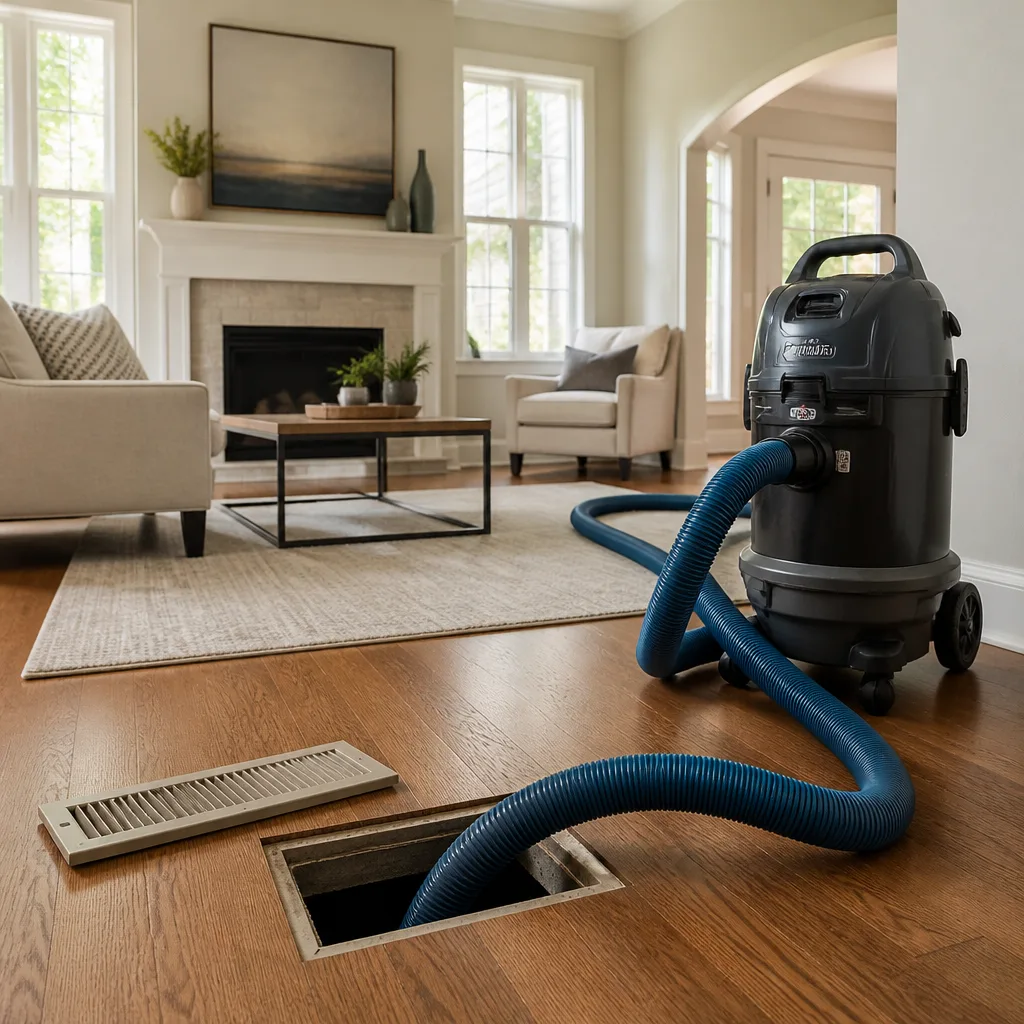 Whole-home duct cleaning
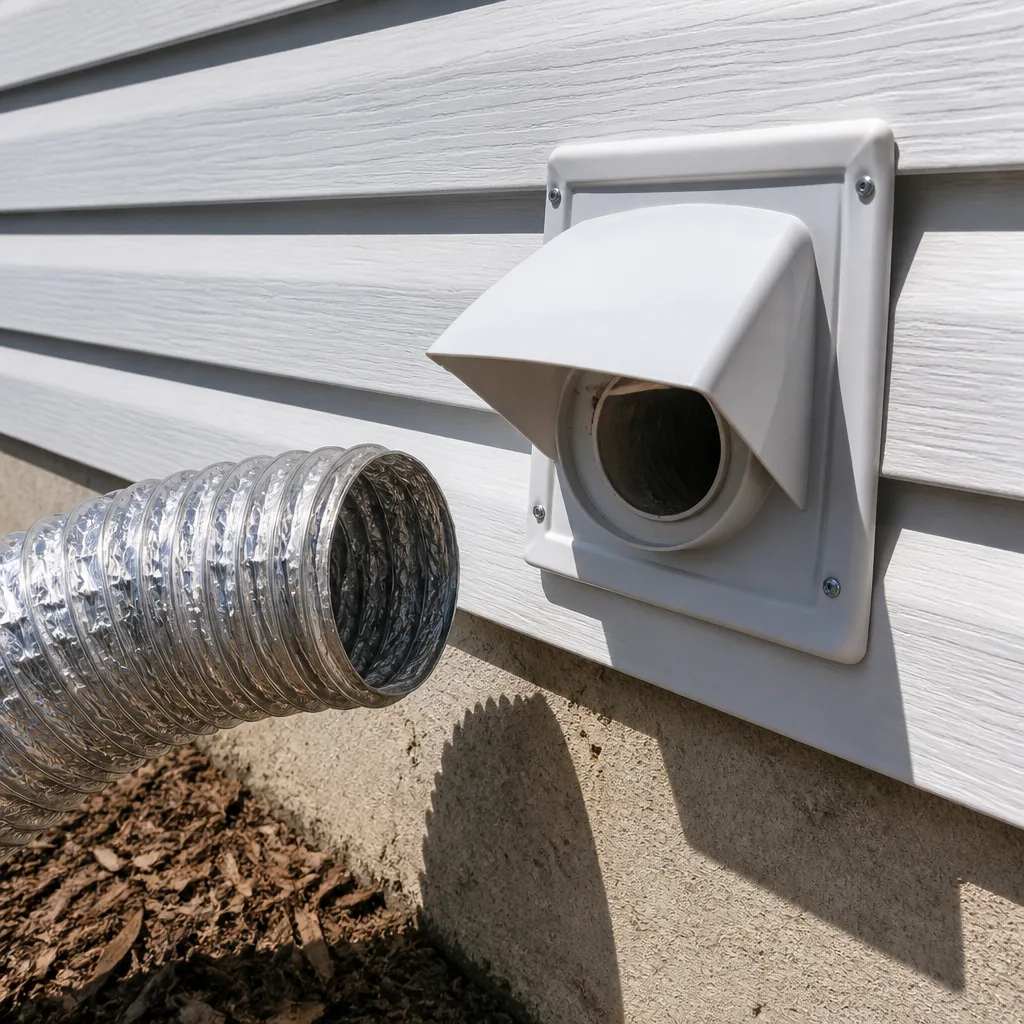 Dryer vent cleaning
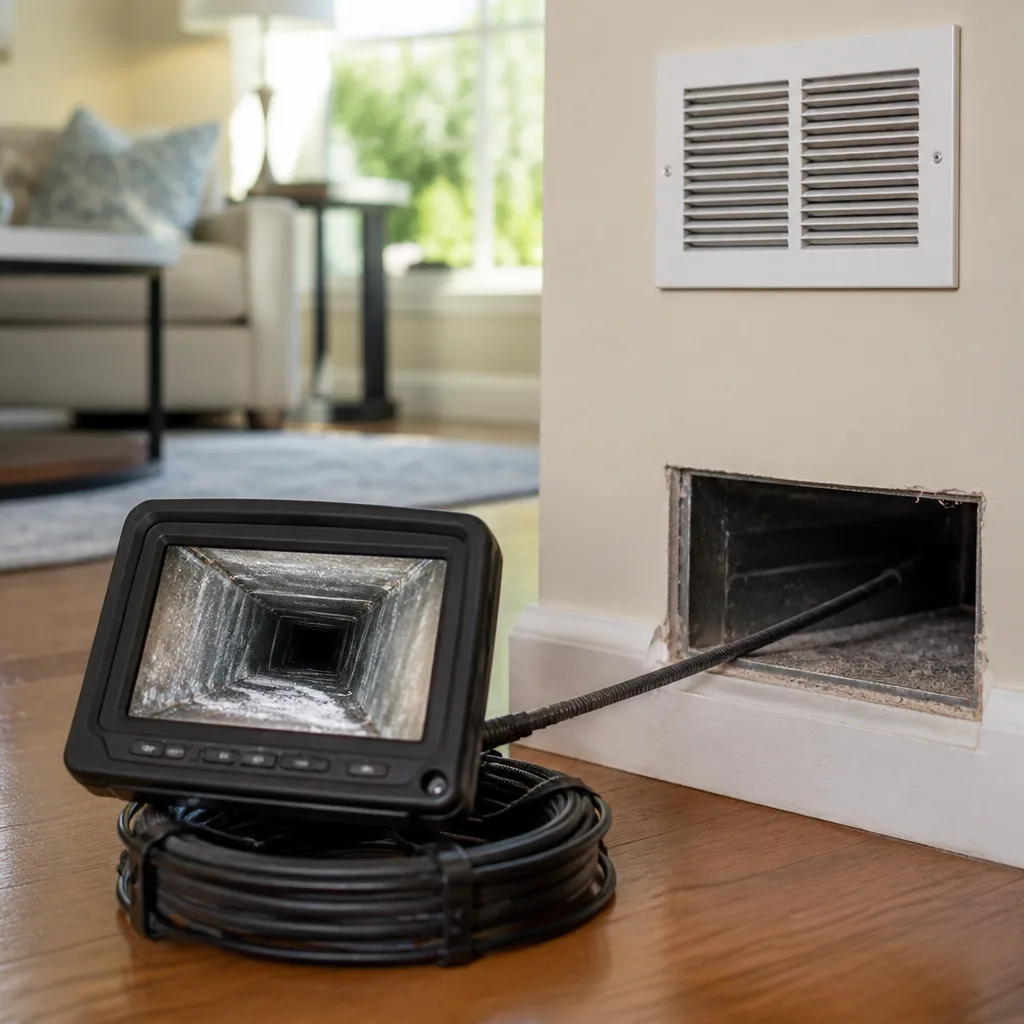 Camera inspection
 Sanitizing & deodorizing
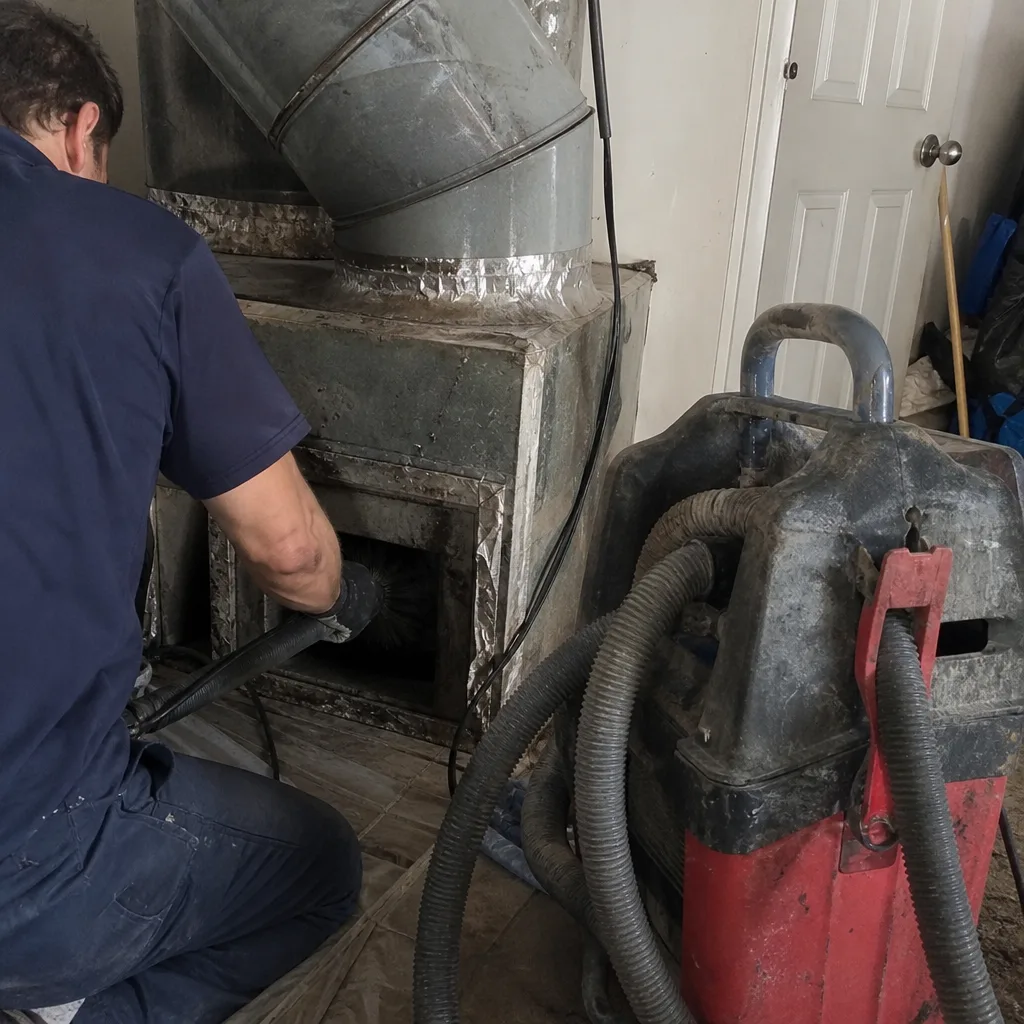
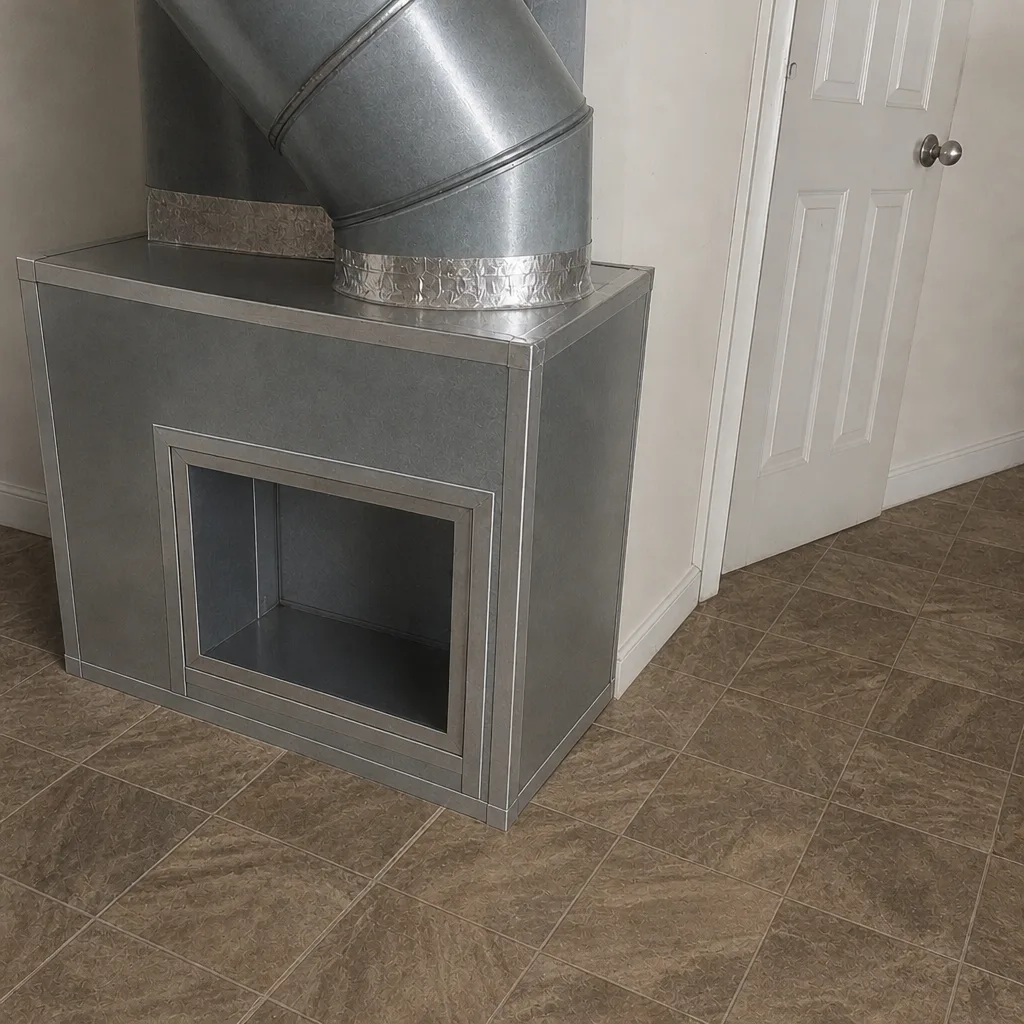
Whole-system duct and dryer vent check with before-and-after photos - you see exactly what came out of your vents
That "$99 whole-house special" is a bait ad - the real number appears once they are in your hallway, or the "clean" is a shop-vac at the register. We photograph the inside of your ducts before and after instead.
Air Duct Cleaning Maintenance Schedule: What to Do and When
A two-year-old home with two dogs and a crawl space HVAC setup needs attention on a completely different timeline than a fifteen-year-old home with a sealed basement and no pets. Yet nearly every guide hands both owners the same advice: clean every three to five years and forget it. That single number is a placeholder, not a plan. In Bellevue, where wet winters press against older housing and late-summer smoke rolls in from beyond the Cascades, the variables that actually drive duct condition shift from house to house. This guide skips the generic interval and builds a schedule around your home’s real conditions, from pets and occupancy to system age and remodel history.
Quick Answer
Most Bellevue homes need professional duct cleaning every two to five years, and the right interval for your house depends on five things: pets, how many people live there, the age of the HVAC system, local pollen and moisture exposure, and any recent construction or renovation. Homes with shedding pets, high occupancy, a system over fifteen years old, or a recent remodel sit at the two-to-three-year end. A low-occupancy home with a newer sealed system and no pets can stretch to four or five. The schedule only works if it’s built around your home, not a generic number.
Styles & brands we work with
- Whole-home duct cleaning
- Dryer vent cleaning
- Camera inspection
- Sanitizing & deodorizing
Table of Contents
- The Five Variables That Set Your Interval
- A Decision-Tree Framework for Your Home
- What to Do Between Professional Cleanings
- Timing Your Cleaning Around the Pacific Northwest HVAC Calendar
- How to Log Duct Condition After Each Cleaning
- When Repair Beats More Frequent Cleaning
- Common Mistakes to Avoid
- When to Call a Professional
The Five Variables That Set Your Interval
Every maintenance schedule comes down to how fast your duct system collects what’s floating through it. Five variables account for nearly all the difference between one Bellevue home and the next. Work through each honestly and you’ll land close to the right interval before you ever pick up the phone.
1. Pets
Fur and dander move on air currents and settle on duct walls and the blower wheel. A home with one shedding dog or two cats collects material noticeably faster than a pet-free house. Long-haired breeds and multiple animals push the interval toward the short end. Homes with pets and anyone in the household with allergies or respiratory sensitivity sit at the two-to-three-year range.
2. Occupancy density
More people means more skin cells, more cooking particulate, and more hours the system runs. A four-person household generates more settled debris than a single occupant in the same square footage. Rental properties and light-commercial spaces with daily foot traffic climb even faster because doors open and close constantly, pulling outdoor particulate inward.
3. System age and condition
Older ductwork often has small leaks at joints, loose insulation, or flex runs that have sagged. Leaky ducts pull air from crawl spaces and wall cavities, which is dirtier than the air inside the living space. A system past fifteen years deserves a closer look and a shorter cleaning interval.
4. Local pollen and moisture exposure
Bellevue’s spring pollen load is heavy, and the wet months from late fall into spring keep relative humidity high. Ductwork in crawl spaces and older homes with unconditioned runs can collect moisture, and damp dust is where mold tends to take hold. Homes that have ever had water intrusion from a roof leak, a failed supply line, or crawl space dampness belong on a shorter cycle.
5. Recent construction or renovation
Drywall dust, sawdust, and insulation fibers migrate into every open duct during a remodel. If the HVAC was running while the work happened, or the vents weren’t sealed off, schedule a cleaning within the first year after construction wraps. New builds carry the same risk during final finishing.
A Decision-Tree Framework for Your Home
If a single number is a placeholder, a decision tree is the plan. Walk down it in order. Each step moves you closer to your home’s actual interval rather than an average across thousands of houses that don’t resemble yours.
Step-by-step: build your interval
- Start at four years. That’s the middle for an average home. Every step below adjusts it.
- Pets: one shedding pet takes off six months; two or more takes off a full year.
- Occupancy: four or more people in the household reduces the interval by six months.
- System age: ducts over fifteen years old or with visible leaks reduce by six months to a year.
- Moisture history: any past water intrusion or a crawl space HVAC setup cuts the interval in half.
- Recent construction: clean within twelve months, then resume your normal interval.
- Allergies or respiratory sensitivity in the household: shift to the shorter end of whatever range you’ve arrived at.
Run the tree on a two-year-old home with two dogs and a crawl space setup and you land near two years. Run it on a fifteen-year-old house with a sealed basement, no pets, and two occupants and you land at four to five. Same city, same climate, very different schedules. A decision tree beats a checklist because it starts with your house, not someone else’s.
If you’re starting from scratch and want a professional baseline, our air duct cleaning service begins with an inspection of the full system so the schedule you build matches what’s actually inside the ducts.
What to Do Between Professional Cleanings
The months between cleanings matter more than most homeowners realize. Some habits genuinely slow debris buildup. Others feel productive but either do nothing or create a new problem. Here’s the honest split.
What actually helps
- Change the filter on schedule. A clogged filter starves airflow and forces the system to pull from leaky joints instead. Check the manufacturer’s recommendation and adjust for pets or dusty conditions.
- Vacuum and dust regularly in living spaces. Less settled dust on floors and furniture means less gets pulled back into the return.
- Keep the return grilles clean. A quick wipe every few weeks keeps surface debris out of the airstream.
- Seal obvious leaks at register boots. Loose grilles and gaps around boot flanges pull attic or crawl space air into the system.
- Run the system fan thoughtfully. Continuous fan operation circulates air through the ducts more, so weigh that against filter life and check filters more often.
What doesn’t help (and may hurt)
- Aerosol duct sprays. These are marketed as a between-cleaning freshener, but the mist coats surfaces rather than removing the debris underneath. It can leave an oily film that draws new dust and can leave an odor that lingers.
- Foggers and “duct sanitizing” pumps on a dirty system lock in the dirt. Cleaning first, then evaluating IAQ options, is the order that works.
- Consumer canister vacuums at the vent pull surface dust and leave the material that matters on the walls and in the runs.
- Covering the return with furniture or rugs chokes airflow and forces debris to accumulate elsewhere.
If you want help choosing filtration that fits your existing system, we work with IAQ brands including Honeywell and Aprilaire and can help match a filtration upgrade to what your equipment can handle.
Timing Your Cleaning Around the Pacific Northwest HVAC Calendar
When you clean matters almost as much as how often. Bellevue’s climate pushes the HVAC calendar into two distinct phases: the wet months and the late-summer smoke window. Scheduling around both gets you more useful cleaning for the same visit.
The Bellevue timing calendar
- Late winter to early spring (February to April): After months of closed windows and heavy heating, ducts carry the year’s largest load of settled dust. Cleaning in this window clears out winter accumulation before the system switches duties.
- Late spring (May to early June): Pollen peaks. If anyone in the household is sensitive, cleaning after the peak clears what got pulled in during the spring.
- Before late summer (by mid-July): Wildfire smoke can drift into the Puget Sound region from late July onward. Cleaning in early summer means your ducts and filtration are at their cleanest when outdoor air quality is at its worst. A clean system with a fresh filter handles smoke season far better than a dirty one.
- Fall (September to October): Before the heating season starts, a cleaning and a filter change position the system for the wet months ahead.
- When to skip: Deep winter when snow or ice may be on the ground outside, or a window when you can’t keep doors open for equipment setbacks.
The right approach: pick one phase each year that fits your interval. Homes on a two-year cycle alternate between a pre-smoke-season clean and a pre-heating-season clean. That keeps you one year ahead of the worst seasonal loads rather than perpetually one year behind. If you’re in Bellevue and want to align cleaning with the smoke window, booking in June or early July gives the best odds of getting the cleanest ducts ahead of fire season.
How to Log Duct Condition After Each Cleaning
The single most useful habit for a long-term maintenance plan is also the least common: writing down what the ducts looked like after each cleaning. Without a log, every service provider starts blind. With one, the next tech knows exactly what to check and what your baseline is.
What to record
- Date and provider, so you can see your real interval emerge across a few cycles.
- Photo of each accessible register and the main trunk before and after the work. A reputable provider takes before-and-after photos; keep yours with the log.
- Areas of buildup the technician noted and why. “Heavy on the return side, light on the supply side” tells the next provider where to focus.
- Any visible leaks, loose joints, disconnected flex runs, or damaged insulation. These are the early signs that repair, not more cleaning, is the next step.
- Filter type and change date so you can track whether a filter choice is helping or fighting you.
- Odor notes. What the ducts smell like at cleaning time is a rough indicator of moisture and biological growth.
Once you have two or three entries, you can see whether your interval is right or whether the house is telling you something else. That log also gives a new provider a professional starting point. A Bellevue homeowner moving from one provider to another loses nothing and gains plenty when the record goes with the house. Property managers tracking multiple units benefit even more: a single spreadsheet documenting duct condition across the portfolio lets you stagger cleaning costs predictably instead of reacting to complaints.
When Repair Beats More Frequent Cleaning
There’s a failure mode in duct maintenance that doesn’t get discussed enough: some homes don’t need more frequent cleaning. They need repair. If the ductwork itself is compromised, cleaning on a short cycle treats the symptom and leaves the cause in place.
Signs repair is the right call
- Rooms that are dusty right after cleaning. If dust returns within weeks, the ducts are pulling from a dirty source like a crawl space or wall cavity.
- Uneven heating or cooling across rooms that doesn’t match a simple thermostat issue. Leaking or disconnected runs bleed air before it reaches the register.
- Visible sagging flex duct, crushed sections, or disconnected joints. Cleaning can’t fix these. Repair can.
- Persistent musty smell that returns after cleaning, especially in homes with crawl space or basement duct runs.
- Rising energy bills with no other explanation. Leaky ducts leak conditioned air. Insulation and sealing matter more than another cleaning visit.
We repair what others walk past. When our inspection finds a compromised run, we address it rather than cleaning around it and scheduling another visit. Clean ducts start with the right equipment, and part of that equipment story is the Duct Cleaning Bellevue inspection process: containment with Abatement Technologies, mechanical agitation with a Rotobrush, and HEPA-rated extraction with Nikro equipment. When a system is structurally sound, cleaning delivers its full value. When it isn’t, the value of cleaning goes down and the value of repair goes up. Knowing which side of that line your home is on is what this whole guide is for.
Read more about our full Bellevue service approach and the dryer vent cleaning work that shares the same maintenance logic: lint in a dryer vent behaves a lot like dust in a duct, and both build up faster than most people expect.
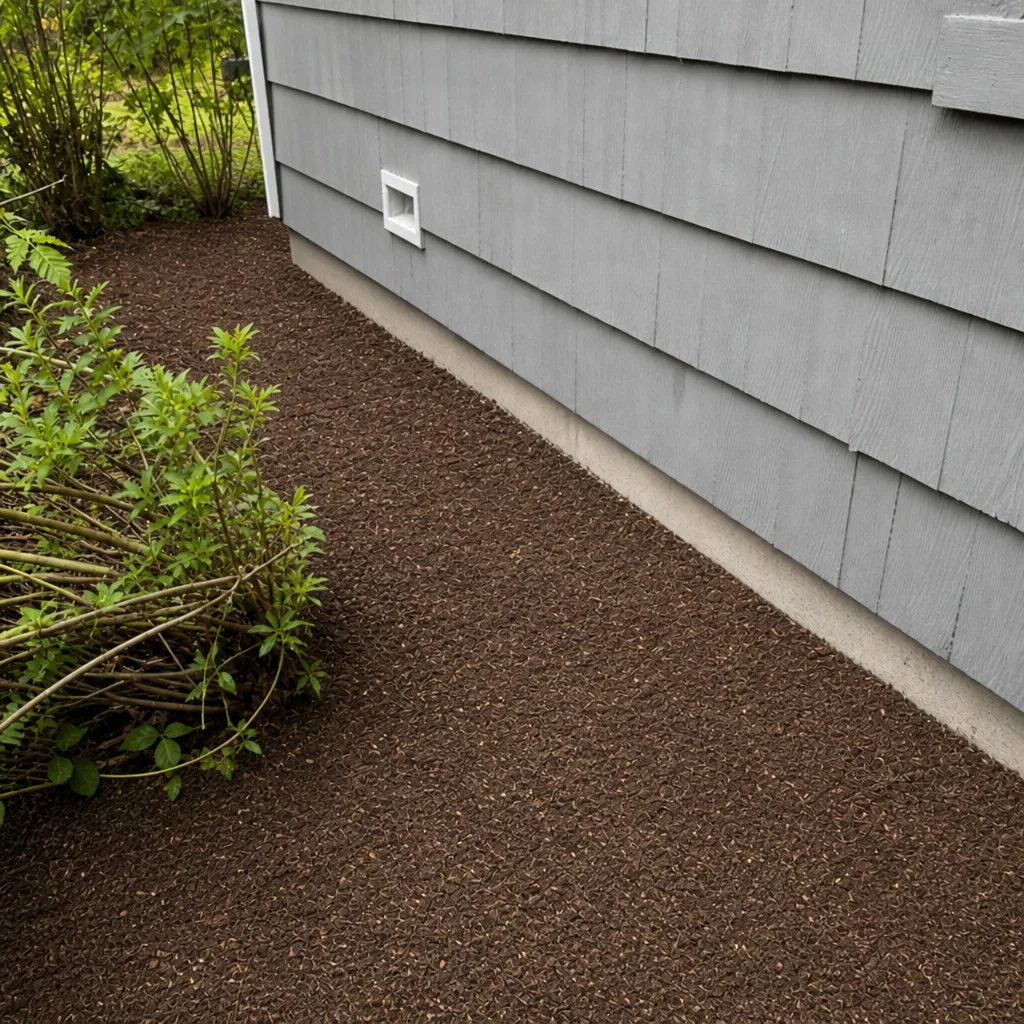
See the difference
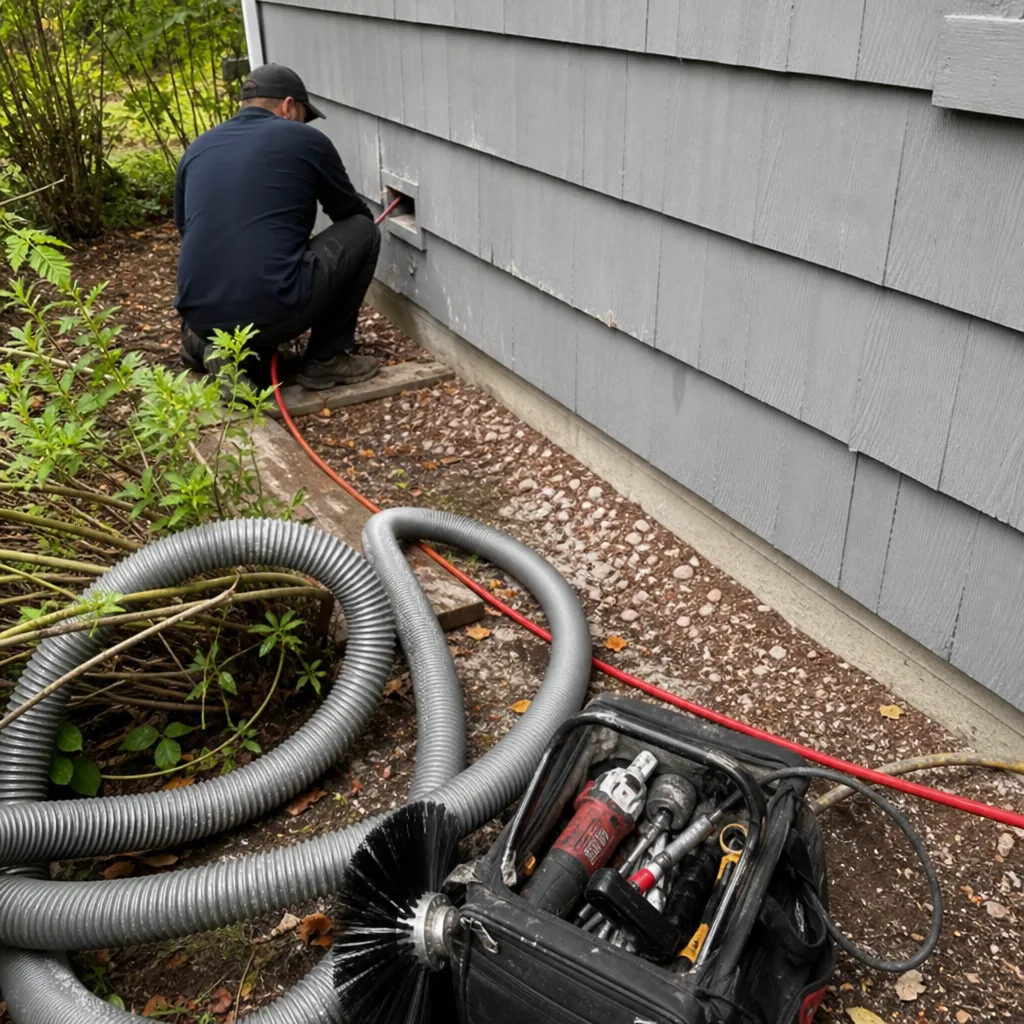 Before
 After
 Before
 After
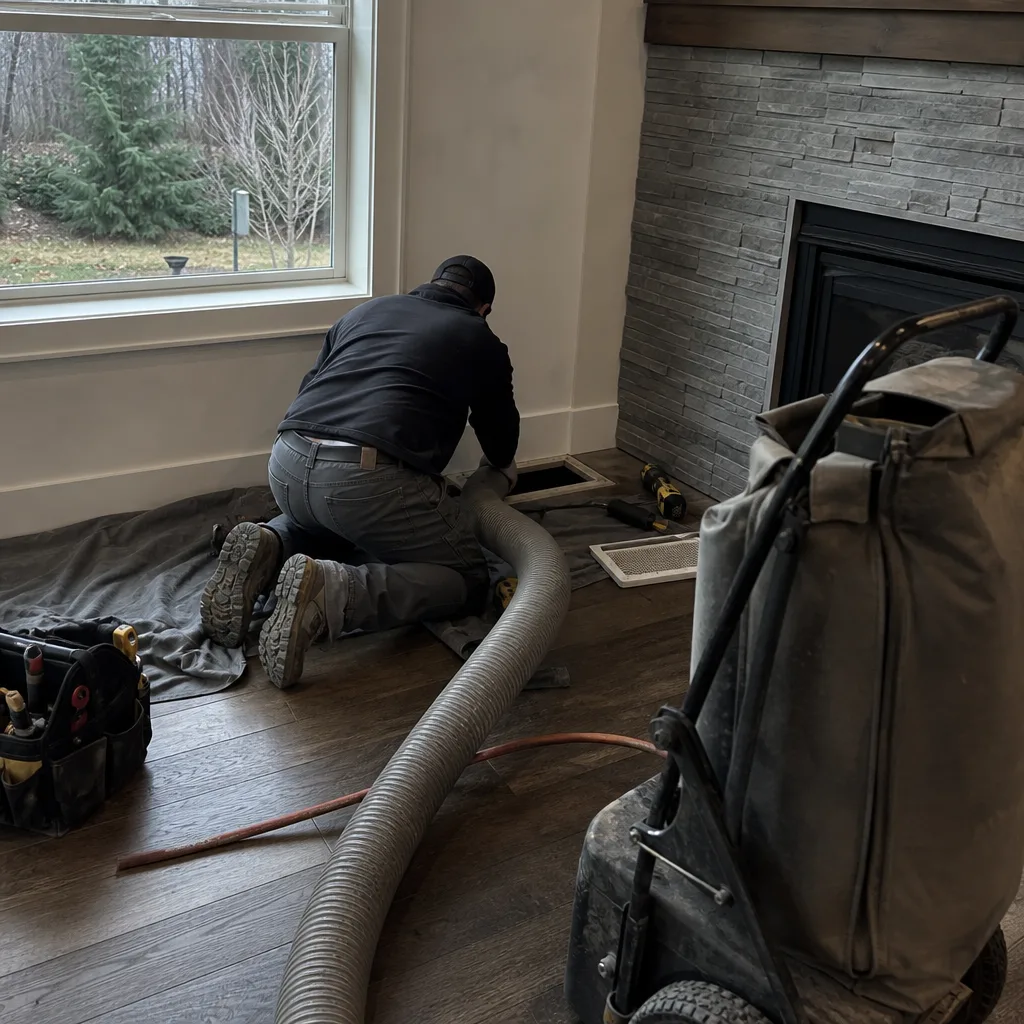 Before
 After
Common Mistakes to Avoid
- Treating three to five years as a universal rule. It’s a starting point, not a schedule. A home with pets, high occupancy, and any moisture history belongs on a much shorter cycle. So does a home that just finished a remodel.
- Cleaning more often instead of repairing. If dust returns fast, the problem is usually a compromised duct system or a filter that isn’t doing its job. Another cleaning visit won’t fix either.
- Accepting a low teaser price without a whole-system scope. A coupon figure that’s really a per-vent price is how bait-and-switch happens. We quote one flat price per system, agreed before work starts.
- Using aerosol duct sprays between cleanings. They mask the surface and leave a residue that attracts more dust. Nothing beats keeping the filter fresh and vacuuming living spaces regularly.
- Skipping the log. Without a record of duct condition, you can’t tell whether your interval is right or whether something else is going on. The photo and note habit is the cheapest part of the whole plan.
- Scheduling a cleaning right before the smoke season instead of before it. In Bellevue, cleaning in early summer positions the system for the worst outdoor air quality of the year. Cleaning in September means the system spent the smoke season already dirty.
- Assuming a dryer vent doesn’t need a schedule. Dryer vents clog from lint that builds on every cycle. Yearly checks are a fire-prevention habit that pays for itself in peace of mind, if not in energy savings.
When to Call a Professional
Some signs call for a scheduled cleaning. Others call for a closer look. Call us when: you’ve just moved into a home with an unknown duct history; you’ve finished a renovation and want the drywall dust cleared; you’re managing a rental and need a documented cleaning; someone in the household has respiratory sensitivity and you want a baseline; or dust returns quickly enough that repair may beat another cleaning. A professional with containment equipment and a HEPA-rated vacuum handles things a shop-vac and a flashlight cannot. Duct Cleaning Bellevue offers free estimates in Bellevue, call (833) 454-4523. We answer 24/7. Fast dispatch from 7am to 7pm, Sunday through Friday.
Frequently Asked Questions
Most homes need professional cleaning every two to five years, but the interval depends on pets, occupancy, system age, moisture history, and recent construction. Homes with shedding pets, high occupancy, or a crawl space HVAC setup sit at the two-to-three-year end, while a low-occupancy home with a newer sealed system and no pets can stretch to four or five. Build your interval from the five variables in this guide rather than picking a generic number. Call (833) 454-4523 for a free estimate.
We quote one flat price per system, agreed before work starts, and the written estimate sets the final price. We don’t do per-vent pricing or teaser coupons, because neither matches what the work actually costs to do properly. What you get for the price is containment with Abatement Technologies equipment, mechanical agitation with a Rotobrush, and HEPA-rated extraction with Nikro equipment. Call (833) 454-4523 for your free estimate.
Usually because they’re teaser prices that expand once the technician is on site, or because the equipment can’t do the job properly. A shop-vac and a flashlight doesn’t capture debris the way a HEPA-rated vacuum and negative-air containment system do. Ask what equipment a provider uses and whether the quote is a full-system price or a per-vent figure. We give one flat price per system, agreed upfront. Call (833) 454-4523 to talk through your home.
Ask for before-and-after photos of your own ducts, and compare them to the log you keep. A provider who takes the photos and shares them is showing something the visitor who doesn’t offer photos cannot. We photograph before-and-after on every job. Call (833) 454-4523 for a free estimate.
Before. Late summer into early fall is when smoke can drift into the Puget Sound region. If you clean in June or early July, your ducts and filtration are at their cleanest when outdoor air quality is at its worst. Cleaning after the smoke season means the system spent the year’s most demanding stretch already loaded with settled dust. Call (833) 454-4523 to book before the summer window fills.
Yes, separate from the air ducts. Lint builds up in the dryer vent with every cycle, and a clogged vent is a fire risk. Yearly inspection is a sensible fire-prevention habit. We handle dryer vent cleaning as a core service, not an add-on. Call (833) 454-4523 for a free estimate.
The Bottom Line
The three-to-five-year duct cleaning interval is a decent starting point and a poor schedule. The right maintenance plan for a Bellevue home is built from five variables: pets, occupancy, system age, moisture exposure, and recent construction. Work through the decision tree, keep a simple log of duct condition after each cleaning, and schedule ahead of wildfire smoke season and the wet months. If dust keeps coming back fast, repair rather than more cleaning is the real fix. That’s the framework, and it holds up better than any single number.
Duct Cleaning Bellevue
Call (833) 454-4523 for a free estimate. We answer 24/7. Fast dispatch from 7am to 7pm, Sunday through Friday. One flat price per system, agreed before work starts, with before-and-after photos of your own ducts.
Written by the team at Duct Cleaning Bellevue.