
Last updated November 15, 2026
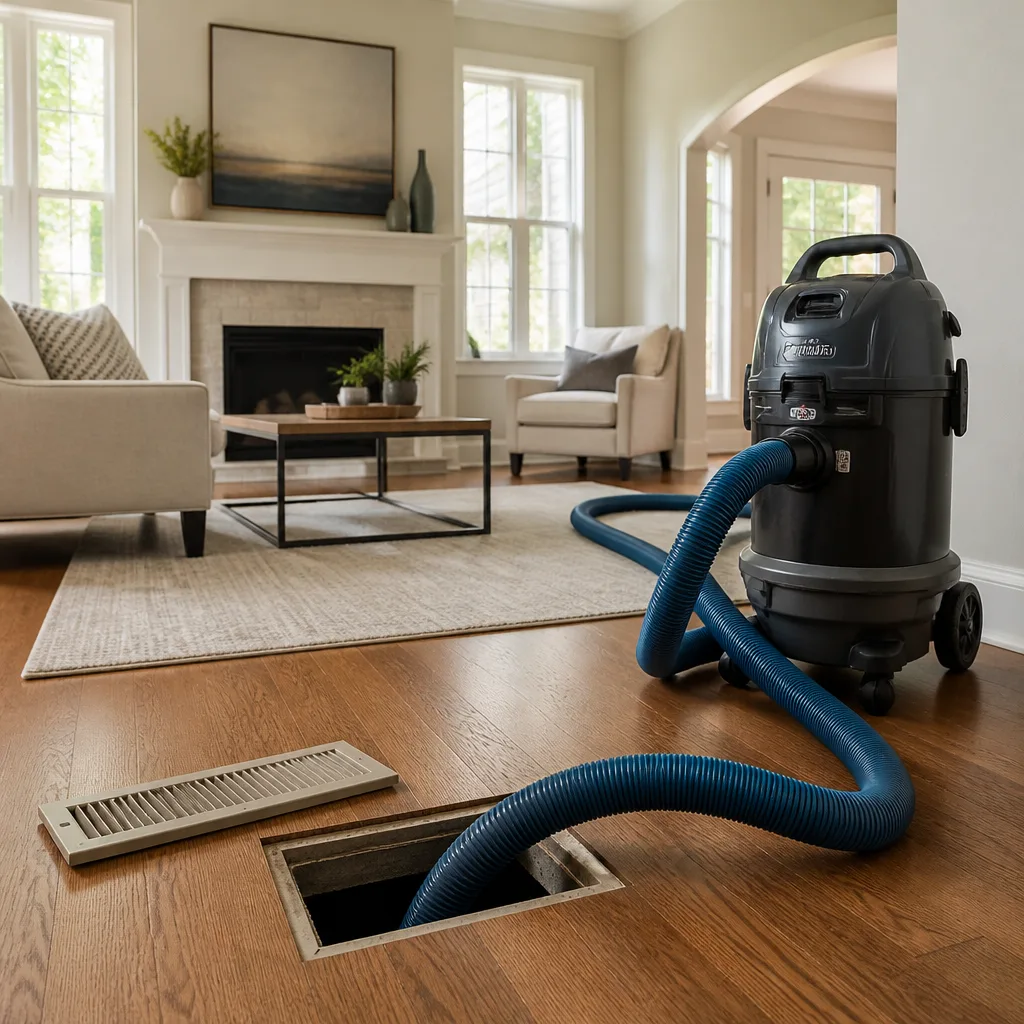 Whole-home duct cleaning
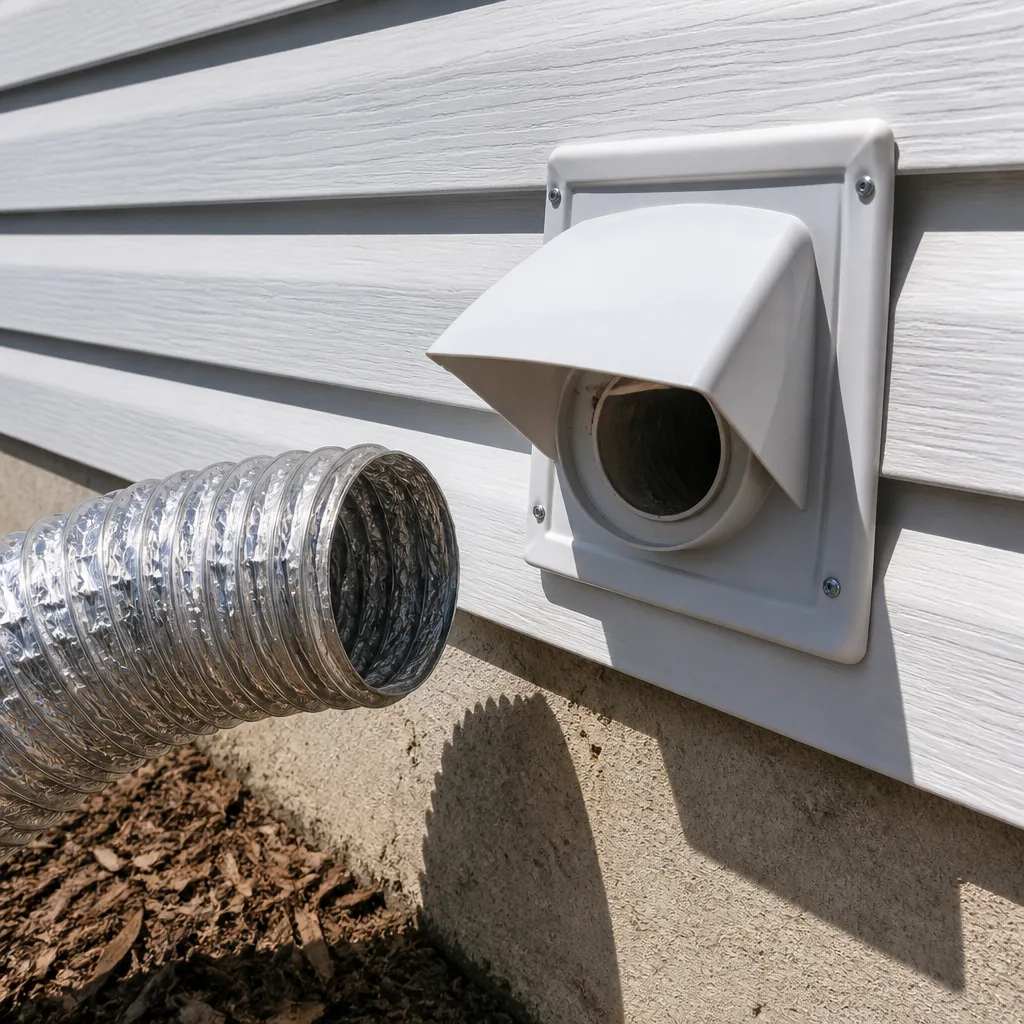 Dryer vent cleaning
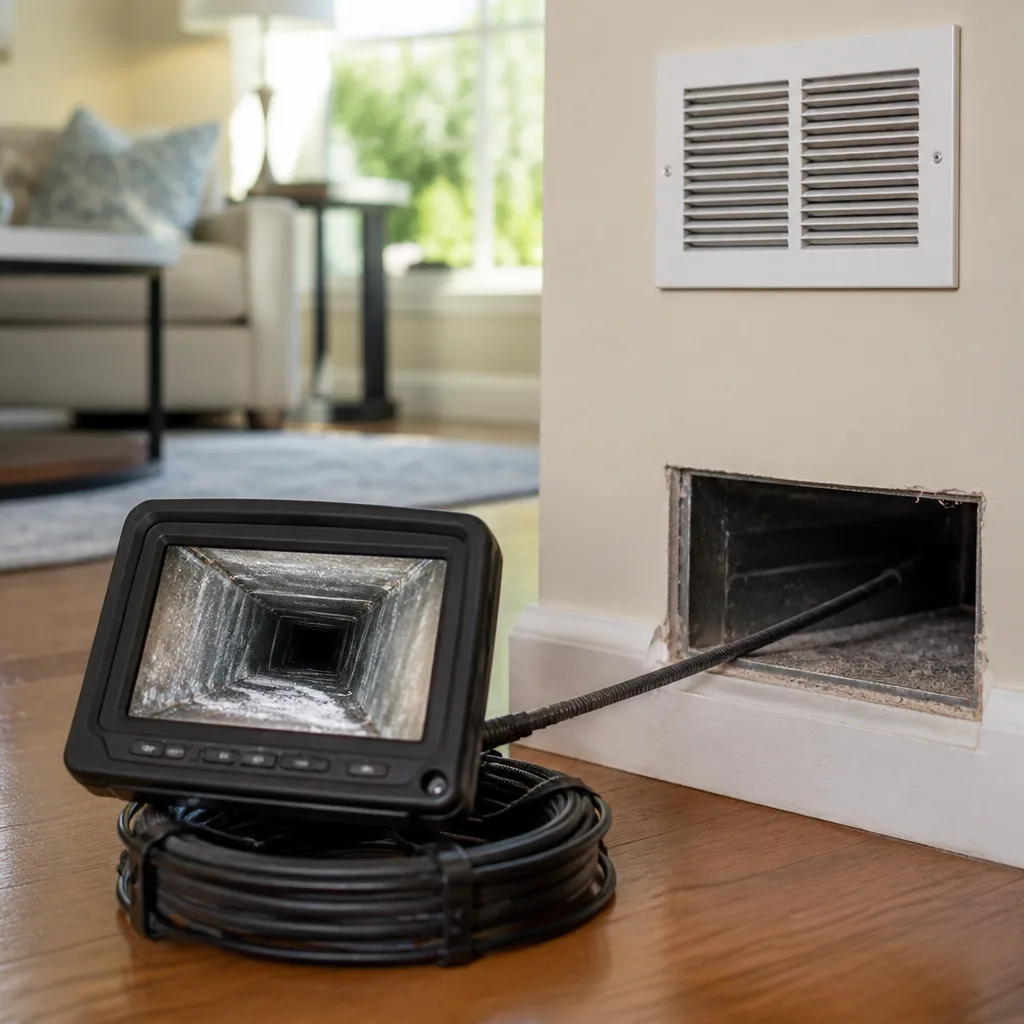 Camera inspection
 Sanitizing & deodorizing
Whole-system duct and dryer vent check with before-and-after photos - you see exactly what came out of your vents
That "$99 whole-house special" is a bait ad - the real number appears once they are in your hallway, or the "clean" is a shop-vac at the register. We photograph the inside of your ducts before and after instead.
Air Duct Cleaning Troubleshooting in Bellevue: Common Problems and How to Fix Them
If your house smells musty only when the heat kicks on, but not during cooling season, that’s not a filter problem. That’s a heat exchanger or duct lining issue, and no amount of filter changes will fix it. Most duct “problems” homeowners try to solve on their own – swapping filters more often, wiping down vent covers, running the fan longer – are surface interventions. They leave the actual mechanical causes untouched inside the duct system. This guide is built to help you diagnose by symptom cluster instead of guessing by habit. You’ll learn how to tell a dirty-duct problem from a duct-integrity problem, what Bellevue’s wet climate does to ductwork that dry-climate guides ignore, and when to insist on a camera inspection.
Quick Answer
In Bellevue, most persistent duct problems trace back to one of three root causes: accumulated debris and moisture in the duct system, compromised ductwork (gaps, disconnected runs, collapsed flex duct), or a filtration mismatch that keeps recirculating particles. Symptom clusters point to the cause – musty odors on heat cycles suggest moisture or lining problems, uneven airflow suggests leaks or blockages, and dust spikes after HVAC work suggest loosened debris. Cleaning fixes contamination; repair fixes integrity. Getting the diagnosis right first is the whole game.
Styles & brands we work with
- Whole-home duct cleaning
- Dryer vent cleaning
- Camera inspection
- Sanitizing & deodorizing
Table of Contents
- Symptom-to-Cause Mapping: What Your House Is Telling You
- Dirty Ducts vs. Damaged Ducts: How to Tell the Difference
- Why Bellevue’s Wet Climate Creates Duct Problems Dry-Climate Guides Miss
- What a Camera Inspection Reveals (and What a Flashlight Misses)
- The Two Problems Only Negative Pressure Equipment Can Solve
- Moisture, Mold Risk, and the Duct Lining Question
- Filtration, IAQ Upgrades, and What Actually Helps
- Dryer Vent Problems That Get Mistaken for Duct Problems
Symptom-to-Cause Mapping: What Your House Is Telling You
Most homeowners call about “duct cleaning” when what they actually have is a specific symptom. The symptom is the clue. The cause is what matters. If you can map what you’re experiencing to the underlying system failure, you can stop paying for the wrong service.
Here’s how we teach people to read the signals:
- Uneven airflow between rooms – one bedroom is cold while the living room is comfortable. Usually a damper issue, a crushed or disconnected flex run, or a leak in the trunk line pulling conditioned air into a crawlspace or wall cavity. This is a duct integrity problem, not a dirt problem.
- Musty or “gym bag” odor that appears only when the heat runs – moisture or biological growth on the interior of the duct, the evaporator coil, or the duct lining. Turning on heat vaporizes whatever is sitting in there. This is a moisture problem first, a cleaning problem second.
- Dust spikes after HVAC work or a renovation – construction debris, drywall dust, or loosened particulate that settled into the ductwork during the project. This is genuine contamination that cleaning addresses.
- Visible dust streaks around supply registers – often a filtration or pressure problem, not a duct volume problem. The system is pulling air through gaps instead of through the filter.
- Whistling or rattling at registers – static pressure issue, undersized return, or a damper stuck partway. Cleaning won’t quiet a duct that’s sized wrong.
- Higher-than-expected energy bills with no equipment change – a leaky duct system is losing conditioned air before it reaches the room. Bellevue homes with ductwork routed through unconditioned attics and crawlspaces are especially prone to this.
Group the symptoms before you call anyone. If you have one symptom – dust – you’re probably looking at cleaning. If you have two or three – uneven airflow plus dust plus a high bill – you’re likely looking at cleaning plus repair. That distinction changes the scope, the equipment, and the price. For a full overview of what cleaning covers, see our air duct cleaning page.
Dirty Ducts vs. Damaged Ducts: How to Tell the Difference
This is the single most important diagnostic distinction in the whole guide. A dirty duct is a contamination problem. A damaged duct is a structural problem. Cleaning a damaged system and walking away leaves the root cause in place, and the system will re-contaminate – usually within a heating or cooling season. We repair what others walk past, and it starts with this distinction.
Signs you have a dirty-duct problem
- Visible dust buildup on the inside of the return plenum or supply registers.
- Faint musty or dusty odor when the air handler starts up.
- Recent renovation, pest intrusion, or water event that introduced debris.
- Dust settling on surfaces faster than normal despite regular cleaning.
- Family members with allergies or respiratory sensitivities who notice symptoms indoors.
Signs you have a duct-integrity problem
- One or more rooms that never get enough airflow, regardless of thermostat setting.
- Visible gaps at duct joints, disconnected flex runs in the attic or crawlspace, or duct tape peeling at seams.
- Crushed or kinked flex duct – common in Bellevue attics where runs are routed around roof framing.
- Dust streaks at seams and joints, which indicate air is escaping there.
- A whistling sound at a register that persists after filter changes.
If you’re seeing integrity signs, the answer isn’t a deeper clean. It’s duct repair. Most companies won’t tell you that, because cleaning is easier to sell than diagnosing repair. Our approach is to inspect first, then scope the job correctly. If the system needs both cleaning and repair, we do both under one provider – cleaning without repair just re-dirties the same broken system.
Why Bellevue’s Wet Climate Creates Duct Problems Dry-Climate Guides Miss
Bellevue sits in a wet, temperate climate with high ambient humidity through much of the year. That single fact changes what happens inside residential ductwork in ways that most national duct-cleaning content never addresses, because most of it is written for arid-climate markets. Here’s what that means in practice in Bellevue.
First, moisture is persistently available. When a duct system has a compromised vapor barrier, a leak at the attic connection, or a condensation issue at the air handler, the interior of the duct stays damp for long enough that biological growth becomes possible. In a dry climate, small leaks evaporate and rarely cause problems. In Bellevue, they don’t.
Second, duct insulation and interior lining get wet and stay wet. Flex duct with damaged outer jacket, or interior-lined sheet metal where the lining has absorbed moisture, becomes a growth medium. That’s the root of the “musty only when heat kicks on” symptom cluster above. It’s not that the ducts are dirty – it’s that the lining is holding moisture the system keeps re-vaporizing.
Third, crawlspace and attic duct runs are exposed to Bellevue’s humidity swings. Attic ductwork in a Bellevue home can be cold and damp in the wet season and warm and humid in summer, and that cycling stresses the duct jacket. Homes in older neighborhoods – Bellevue has a mix of housing stock from mid-century through new construction – often have flex runs that have been in that environment for a long time.
Fourth, dryer vent problems compound with duct problems. A clogged or kinked dryer vent dumps warm moist air into the same crawl or wall cavity that houses ductwork. That’s one reason we treat dryer vent cleaning as core work, not an add-on.
The practical takeaway: in Bellevue, always ask whether the duct problem is a dry-debris problem or a moisture problem. They need different equipment and different scope. A pure dry-vacuum approach won’t address a wet lining.
What a Camera Inspection Reveals (and What a Flashlight Misses)
A flashlight-and-eyeball check of the registers and the air handler cabinet tells you almost nothing about the duct system. Most of the ductwork is inside walls, ceilings, and crawlspaces – exactly where you can’t see. A camera inspection shows you the interior of the runs.
Here’s what an inspection actually reveals that a visual check doesn’t:
- Duct interior condition – whether the inside surface is dust-coated, biologically active, or visibly wet. A flashlight at the register can’t tell you what the run looks like ten feet in.
- Joints and connections – disconnected flex, taped-but-failing joints, and crushed sections are visible on camera. These are the integrity problems that cleaning alone can’t fix.
- Pest or debris presence – nesting material, construction debris, and fallen insulation are common findings in older Bellevue homes.
- Obstructions – a collapsed flex run or a damper stuck closed shows up clearly. Airflow complaints usually have a physical cause.
- Moisture evidence – staining, standing moisture, and growth on the lining show up as patterns a camera picks up and a register-level check misses.
- Scope confirmation – the inspection tells you which runs need cleaning, which need repair, and which are fine. That’s what justifies a written, per-system estimate instead of a guess.
Insist on an inspection before any cleaning work is scoped, especially if your home is older than a few decades or if you’ve had water intrusion or a renovation. A company that quotes a number before looking inside is quoting a price, not a scope. The inspection also gives you before-and-after evidence of what was found and what was done.
The Two Problems Only Negative Pressure Equipment Can Solve
Consumer-grade vacuums and shop-vacs have a place in some trades, but they cannot do what professional containment equipment does. Specifically, two problems in residential ductwork require equipment the average truck doesn’t carry.
Problem 1: Redistribution of dislodged contaminants
When you agitate dust inside a duct system without containing it, the dust goes somewhere. A shop-vac setup pulls some of it out but leaves the rest to redistribute into the living space through registers and return gaps. That’s the source of the “duct cleaning made it worse” experience people describe. Negative pressure equipment – the kind we use from Abatement Technologies – puts the duct system under vacuum before agitation begins, so loosened debris flows toward the capture point instead of into the room. Contained at the source is the principle.
Problem 2: Deep mechanical agitation with simultaneous extraction
Surface vacuuming doesn’t remove adhered dust from duct walls. The layer that’s bonded to the metal or flex interior needs mechanical agitation to break loose. Our Rotobrush rotary brush system does that agitation while extracting, and Nikro HEPA-rated equipment captures the fine particulate. That combination – agitation plus certified-level particulate capture – is what commercial and industrial air quality work relies on. It’s also why the equipment matters more than the price in a quote.
If you’re getting a bid and the equipment isn’t named, ask. If they can’t tell you what system they’re using for containment and what they’re using for agitation, that’s the answer. Clean ducts start with the right equipment, and the equipment should be describable in one sentence.
Moisture, Mold Risk, and the Duct Lining Question
Moisture in a duct system is a bigger deal than dust. Most of the “cleaning” market is set up for dust. Moisture problems need a different response.
The first thing to figure out is where the moisture is coming from. Common sources in Bellevue homes:
- A leak in the return duct pulling humid crawlspace air into the system.
- Condensation at the air handler coil, which then migrates into the duct lining.
- A compromised outer jacket on flex duct in a humid attic, allowing moisture intrusion.
- Standing water in a crawlspace that the duct system runs through.
- A dryer vent that terminates into a wall or crawl instead of outdoors.
Once the source is identified, the duct system can be assessed. Interior lining that has held moisture and shows growth generally can’t be “cleaned” back to a sound condition. Depending on the extent, remediation can mean removing and replacing the affected section, addressing the moisture source, and then cleaning the rest of the system. Ignoring the lining and cleaning around it is how homes end up calling again in a year with the same symptom.
One safety note here: if you smell gas, or if you suspect combustion byproduct issues around the furnace or water heater, don’t treat that as a duct problem. That’s a separate call to your gas utility or a licensed HVAC technician, and it needs to be handled before any air quality work.
Filtration, IAQ Upgrades, and What Actually Helps
Filters matter, but most filter swaps don’t fix a duct problem. A better filter is designed to catch what’s passing through it – it doesn’t reach into the duct and clean anything. That being said, if the goal is cleaner air, filtration is worth getting right.
Here’s what actually helps, in order of impact:
- Fix duct integrity first. A leaky duct system bypasses the filter entirely – unfiltered air gets pulled in at the leaks. No filter upgrade fixes a leak.
- Match filter MERV rating to the system. Higher isn’t always better. Too high a MERV on an older system can restrict airflow and stress the blower. The right rating is the one the equipment is designed for.
- Use a properly sized filter and change it on a realistic schedule. Undersized filters leak; oversized filters bypass. Bellevue homes with pets or in dusty crawlspace environments need more frequent changes.
- Consider IAQ equipment where it fits. We work with Honeywell and Aprilaire systems for filtration and humidity control. If you’re weighing filtration upgrades, having someone who knows those product lines is more useful than a generic recommendation.
- Keep dryer venting clean. A clogged dryer vent affects indoor humidity and is a fire risk. It’s a separate problem from duct contamination but part of the same air quality picture.
If you’ve already swapped filters and run the fan and the symptom persists, that’s the signal that the problem isn’t filtration. The next step is diagnosis, not another filter.
Dryer Vent Problems That Get Mistaken for Duct Problems
Dryer vent issues often get misdiagnosed as duct issues because they share symptoms – humidity, odor, and lint. They’re separate systems and need separate attention.
Signs your dryer vent is the actual problem:
- Clothes take multiple cycles to dry.
- The dryer feels hot to the touch on the outside of the cabinet.
- Lint accumulates around the dryer door or in the lint trap faster than usual.
- A musty or “hot lint” smell appears after a dryer cycle.
- The exterior vent flap doesn’t open properly during operation.
Dryer vent cleaning is one of our core services for a reason: a clogged vent is a documented fire risk, and it’s the kind of thing that gets overlooked until something goes wrong. It’s not an upsell. If your duct cleaning visit turns up a dryer vent that hasn’t been cleaned in a long time, that’s worth acting on. For homeowners with ductwork that runs through the laundry area, dryer vent maintenance also helps keep the surrounding space dry, which supports duct system health over time.
One clarifying point: dryer vents and HVAC ducts are not the same thing. A company that only cleans HVAC ducts and doesn’t offer dryer vent cleaning is only covering half the air management picture. One call covers cleaning, venting, and repair – that’s the model we work from.
Common Mistakes to Avoid
- Cleaning without diagnosing. If you don’t know whether the problem is contamination or integrity, you don’t know what to buy. Get the inspection before the quote.
- Buying the cheapest bid without asking what equipment it uses. Consumer-grade vacuums passed off as duct cleaning won’t capture what they dislodge. Ask about containment and agitation equipment explicitly.
- Running the fan longer to “clear the air.” If the source of a musty smell is duct lining or moisture, running the fan spreads it. The system doesn’t self-clean.
- Assuming a filter upgrade solves it. A MERV upgrade on a leaky system bypasses the filter at the leaks. Seal the ducts first, then upgrade filtration if you want it.
- Ignoring the wet season. In Bellevue, moisture problems tend to show up mid-fall and stay through spring. If you notice odors or condensation patterns that repeat seasonally, that’s a moisture story, not a dust story.
- Skipping dryer vent cleaning. It’s not a duct cleaning add-on – it’s a fire safety item. Treat it as its own maintenance task.
- Accepting a verbal number. Duct work should be scoped with a written estimate that states the number of systems and the price for each. If the price changes once the tech is on site, that’s the point of failure.
See the difference
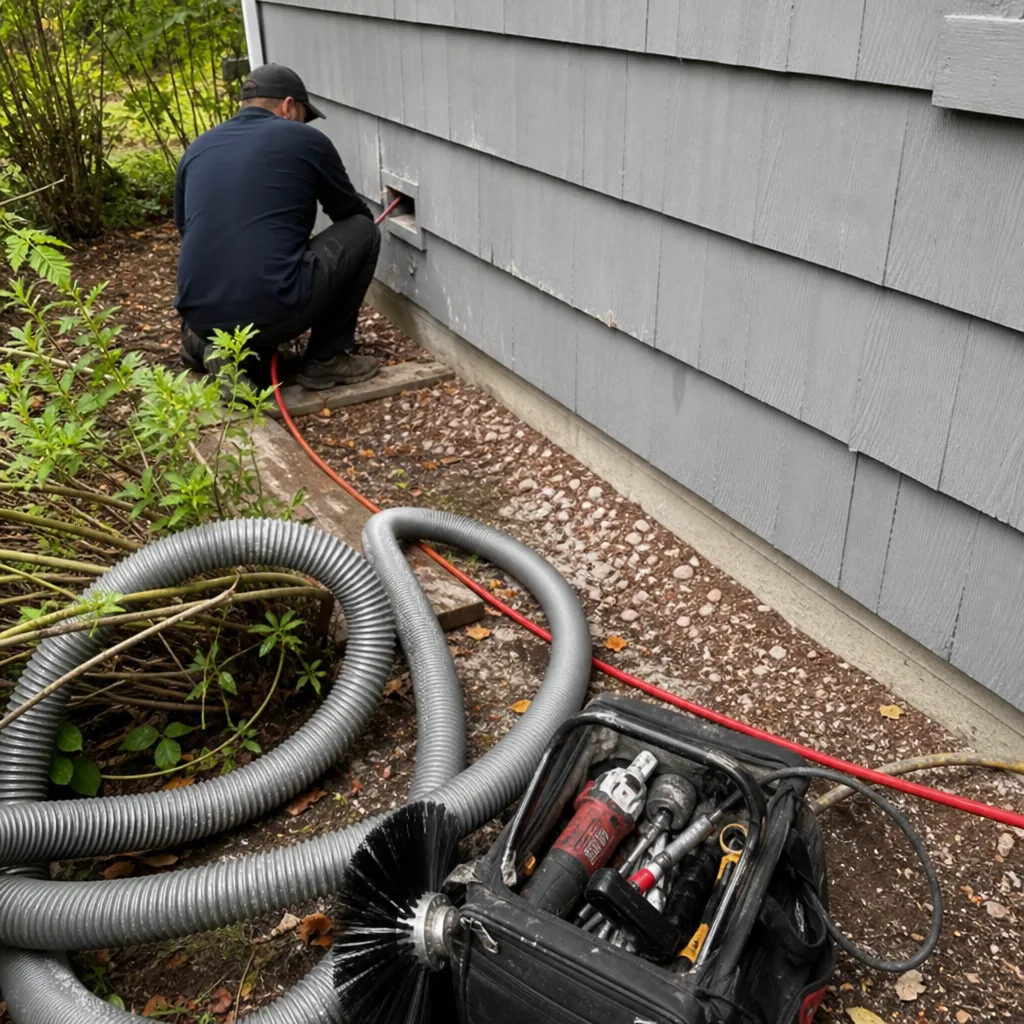 Before
 After
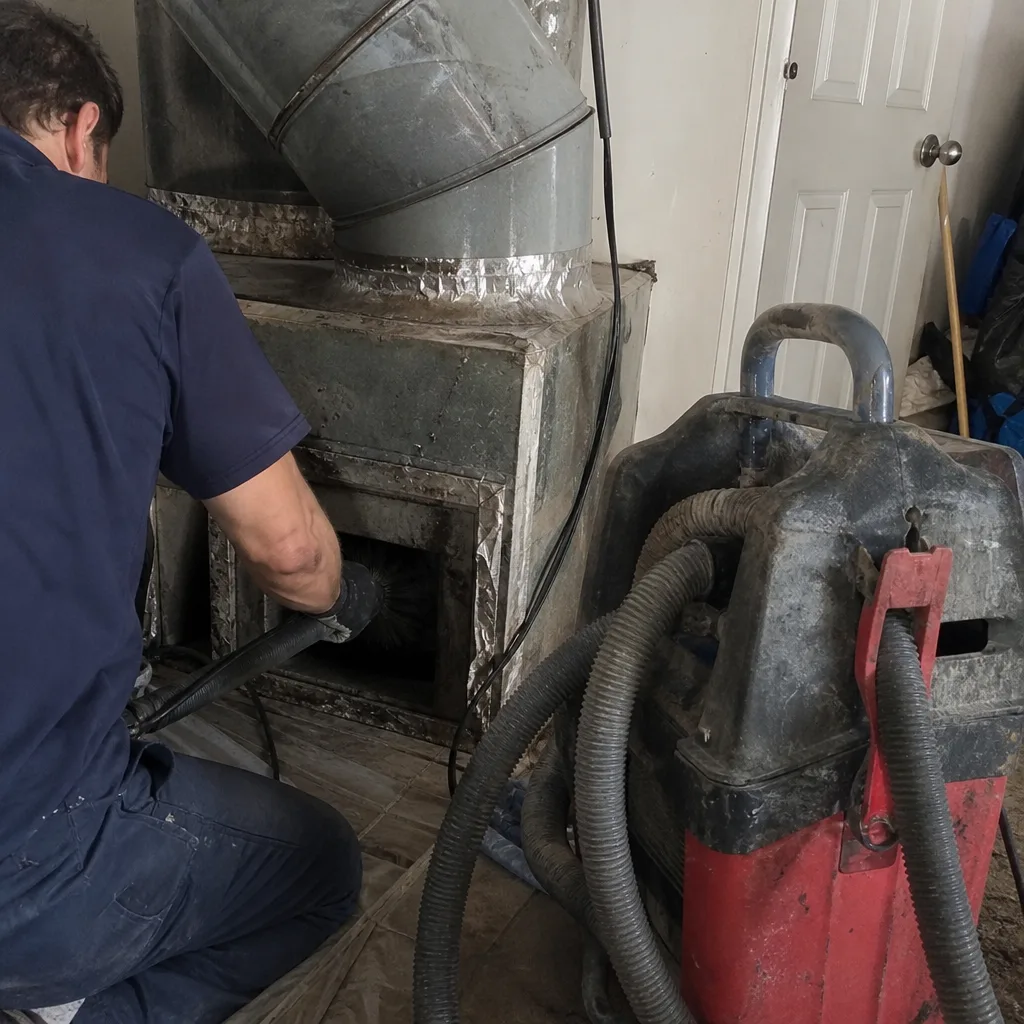 Before
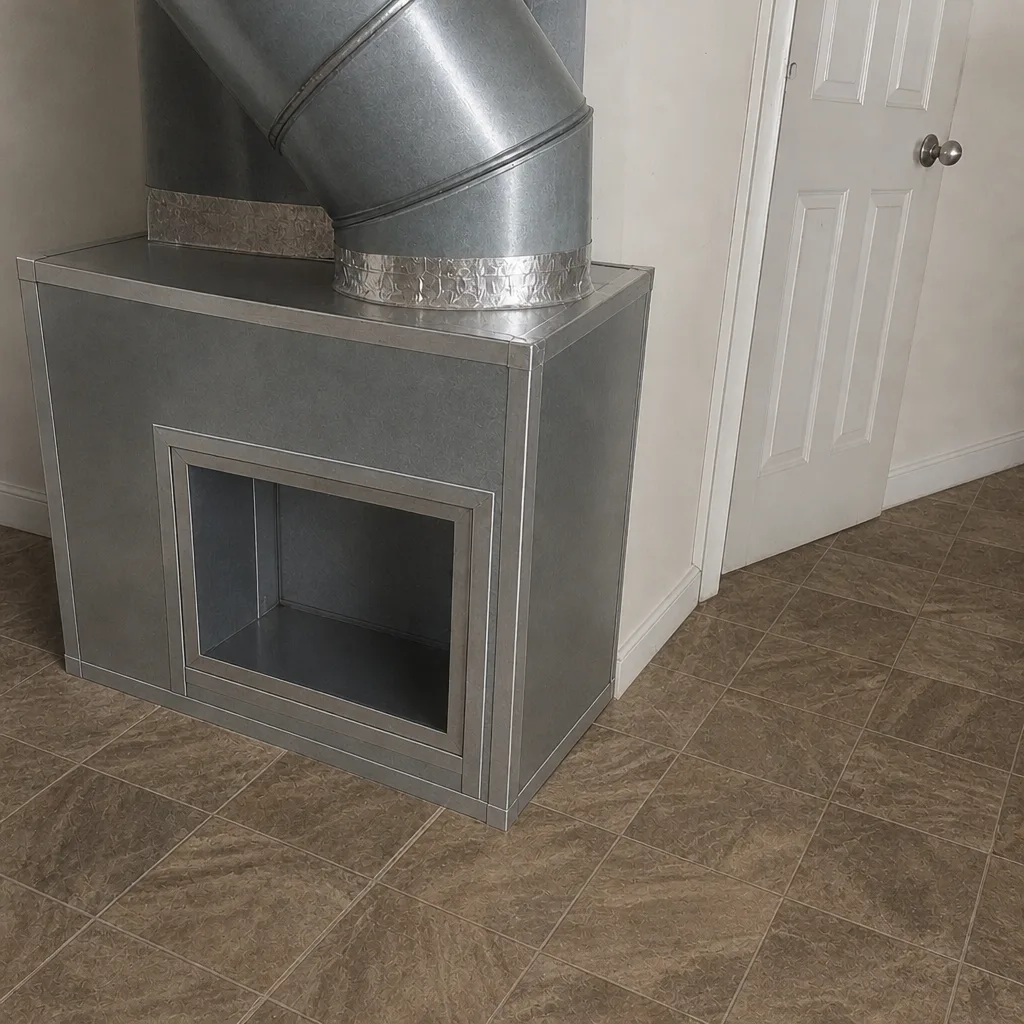 After
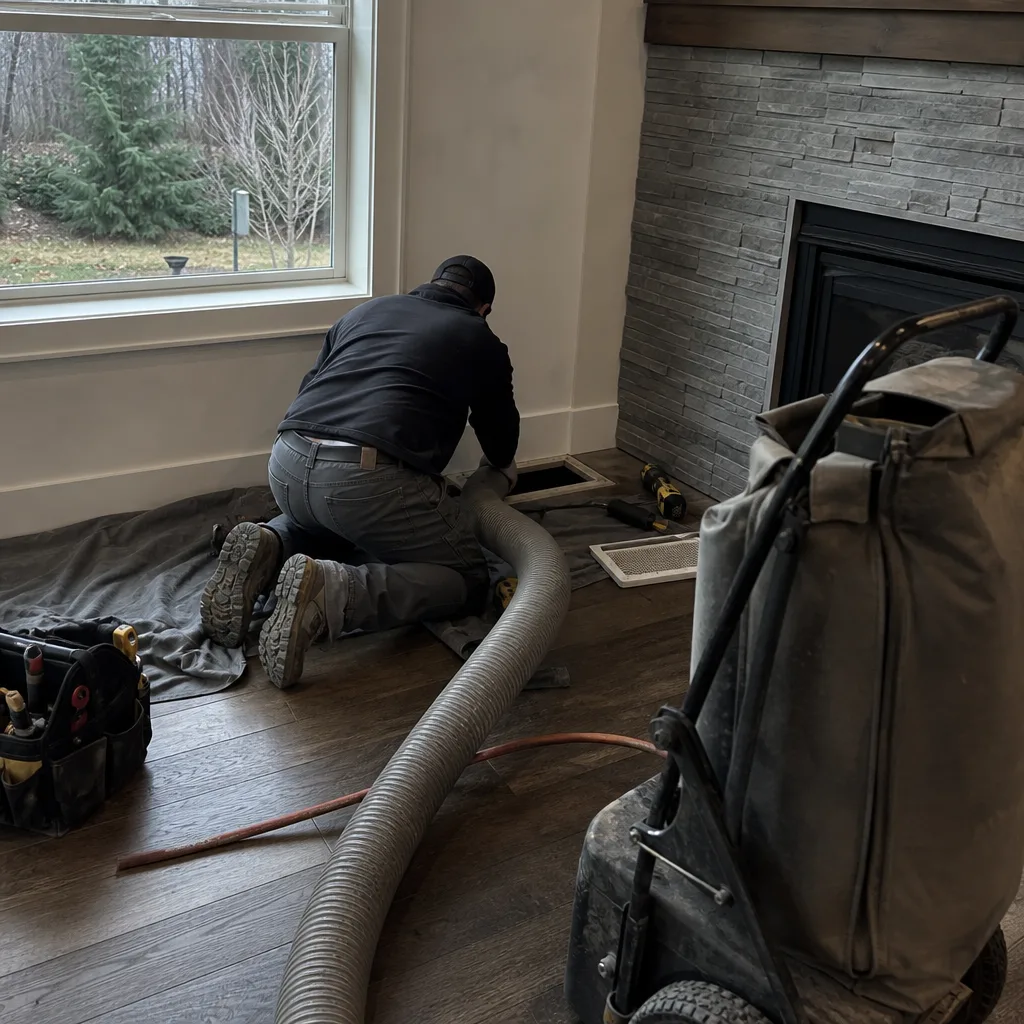 Before
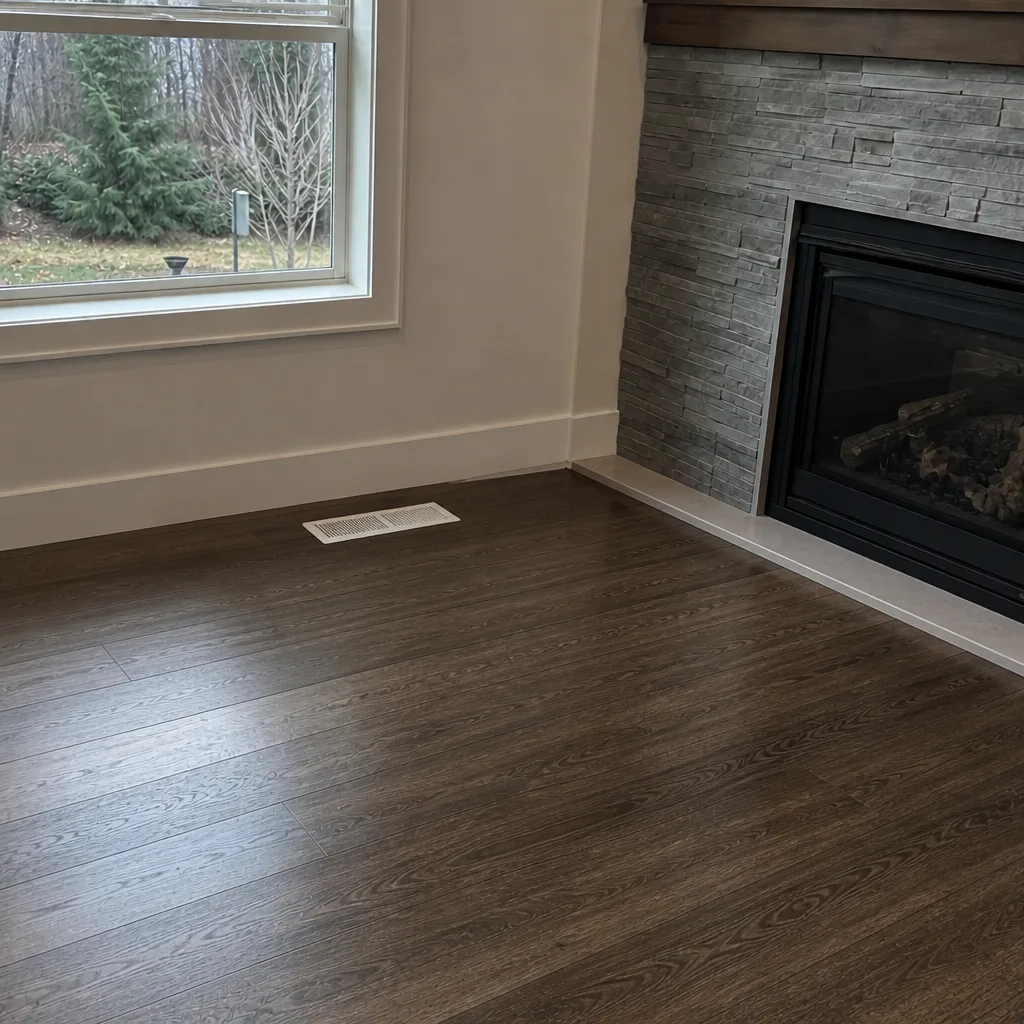 After
When to Call a Professional
Call a professional if any of the following is true: one or more rooms don’t get enough airflow, the system produces a musty smell only when the heat runs, dust settles faster than you can keep up with, you can see gaps or disconnected runs at accessible duct joints, you’ve had a water intrusion event, or your home is older and has never had the ductwork inspected. Also call if your dryer is taking more than one cycle to dry clothes – that’s usually a vent problem and worth addressing promptly.
One safety caveat: if you have a suspected gas smell or combustion concern, call your gas utility or a licensed HVAC technician before scheduling any duct work. Duct cleaning is not a remedy for combustion safety.
Duct Cleaning Bellevue offers free estimates in Bellevue – call (833) 454-4523. We answer 24/7. Fast dispatch from 7am to 7pm, Sunday through Friday. Every estimate is written, per system, agreed before work starts, with before-and-after photos of your own ductwork.
Frequently Asked Questions
Cleaning addresses contamination; repair addresses compromised ductwork. If your symptoms are dust accumulation, odor, or recent debris introduction – and airflow is even across rooms – that suggests cleaning. If one or more rooms have poor airflow, you see gaps or disconnected runs, or the system has whistling or rattling at registers, that suggests an integrity problem that needs repair. An inspection resolves the question. Call (833) 454-4523 for a free estimate – estimates are free.
A musty smell that appears only during heating and not cooling is usually moisture or biological growth on the heat exchanger, the duct lining, or the interior duct surface, which vaporizes when the system warms up. It’s not a filter problem and filter changes won’t fix it. In Bellevue’s wet climate, that pattern is common enough that a camera inspection is worth doing. Call (833) 454-4523 to schedule an estimate.
A camera inspection shows the interior of the duct runs – the surfaces, joints, and connections that a register-level flashlight check can’t reach. It reveals dust coating, moisture staining, disconnected or crushed runs, and debris. It also confirms which runs need cleaning and which need repair, which is what justifies a per-system written estimate. Call (833) 454-4523 to book an inspection and estimate.
Cheap quotes typically reflect consumer-grade equipment and a short visit that agitates dust without containing it. The work looks done on the invoice, but dislodged debris redistributes into the home, and the price was never scoped against the duct interior in the first place. Our pricing is per system, written before work starts, with before-and-after photos so you can see what was actually done. Call (833) 454-4523 for an honest estimate.
There’s no universal schedule that fits every home. Contamination-driven cleaning is event-based – after a renovation, water intrusion, pest issue, or long interval since the last cleaning. Many homes go several years between cleanings; some need it more often, and some need repair instead. The useful question isn’t “when” but “does my system currently show contamination or integrity problems?” Call (833) 454-4523 for a diagnosis and estimate.
Yes, specifically for moisture-related problems. High ambient humidity through much of the year means small duct leaks don’t dry out the way they would in a dry climate, which creates conditions for mold growth on duct interiors and linings. Homes in older Bellevue neighborhoods with flex duct routed through attics and crawlspaces are particularly prone. If your problem is seasonal mustiness rather than dust, the moisture story is the one to investigate. Call (833) 454-4523 to schedule a free estimate.
The Bottom Line
If you take one thing from this guide, take the diagnostic distinction: dirty-duct problems and duct-integrity problems aren’t the same thing, and cleaning one doesn’t fix the other. Symptom clusters are your best diagnostic tool – musty smells on heat cycles point to moisture, uneven airflow points to leaks or blockages, and dust spikes after renovation point to contamination. In Bellevue, the wet climate tilts most ambiguous cases toward moisture and lining problems, which cleaning alone can’t resolve. Get an inspection with a camera before any work is scoped. Ask what equipment is used for containment and agitation. And insist on a per-system written estimate with before-and-after photos. Our technicians have up to 14 years of experience, and we’re a phone call away for a free estimate.
Call (833) 454-4523. We answer 24/7. Fast dispatch from 7am to 7pm, Sunday through Friday. For a full picture of what we do, start with duct cleaning Bellevue and we’ll take it from there.
Written by the team at Duct Cleaning Bellevue.