
Last updated November 15, 2026
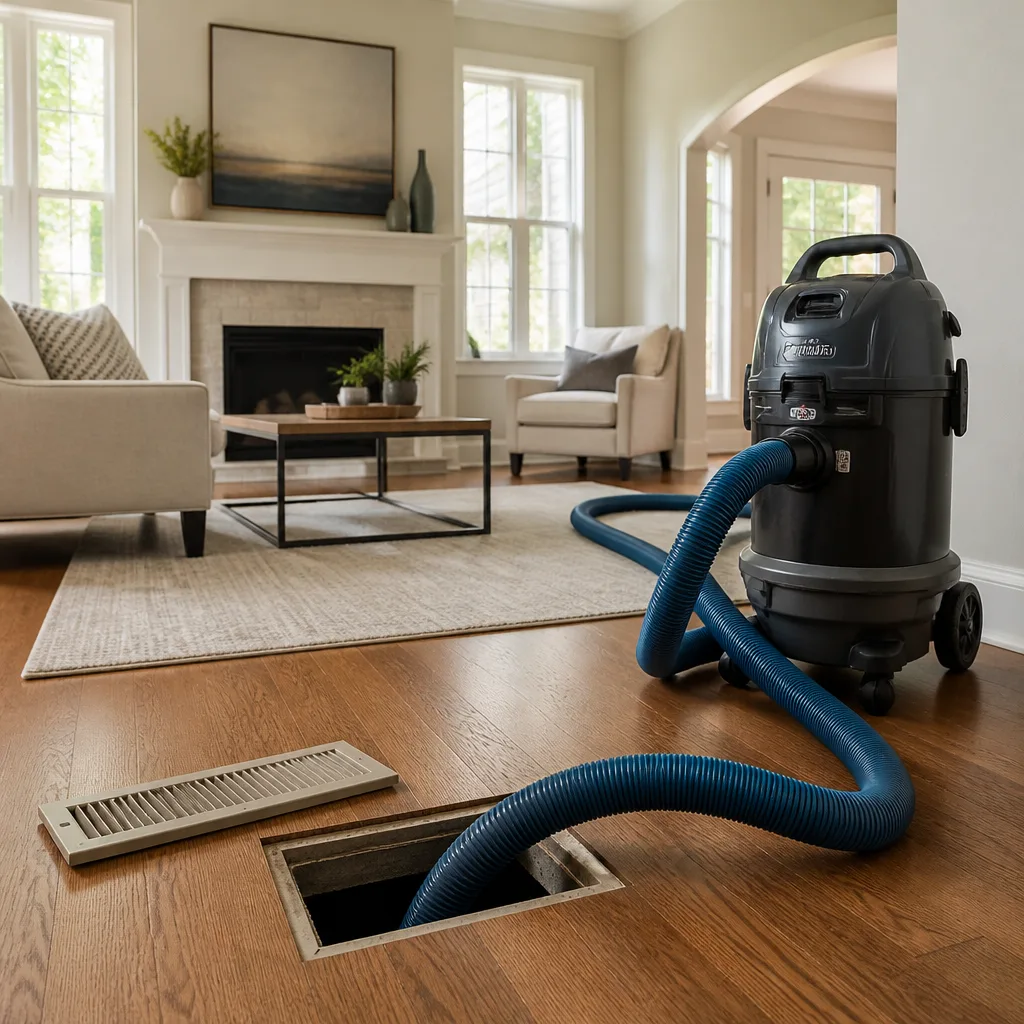 Whole-home duct cleaning
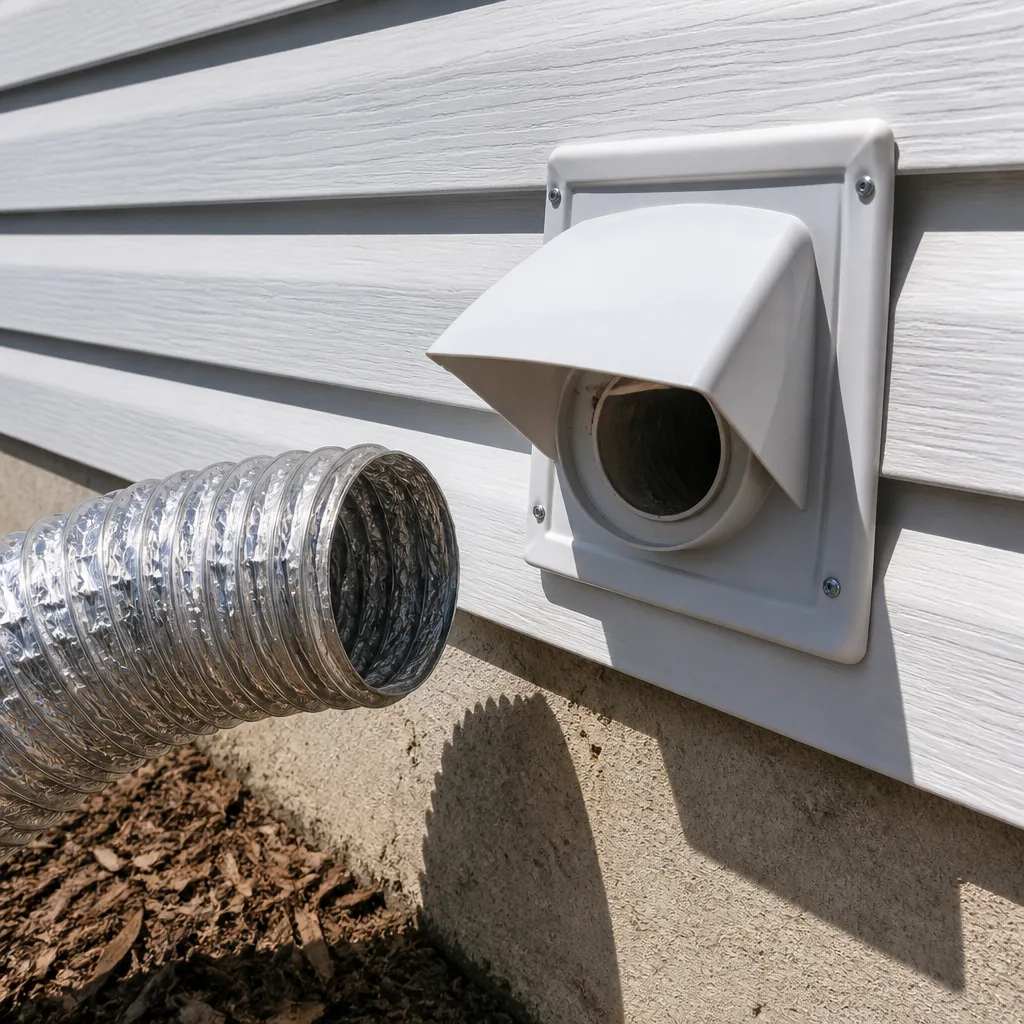 Dryer vent cleaning
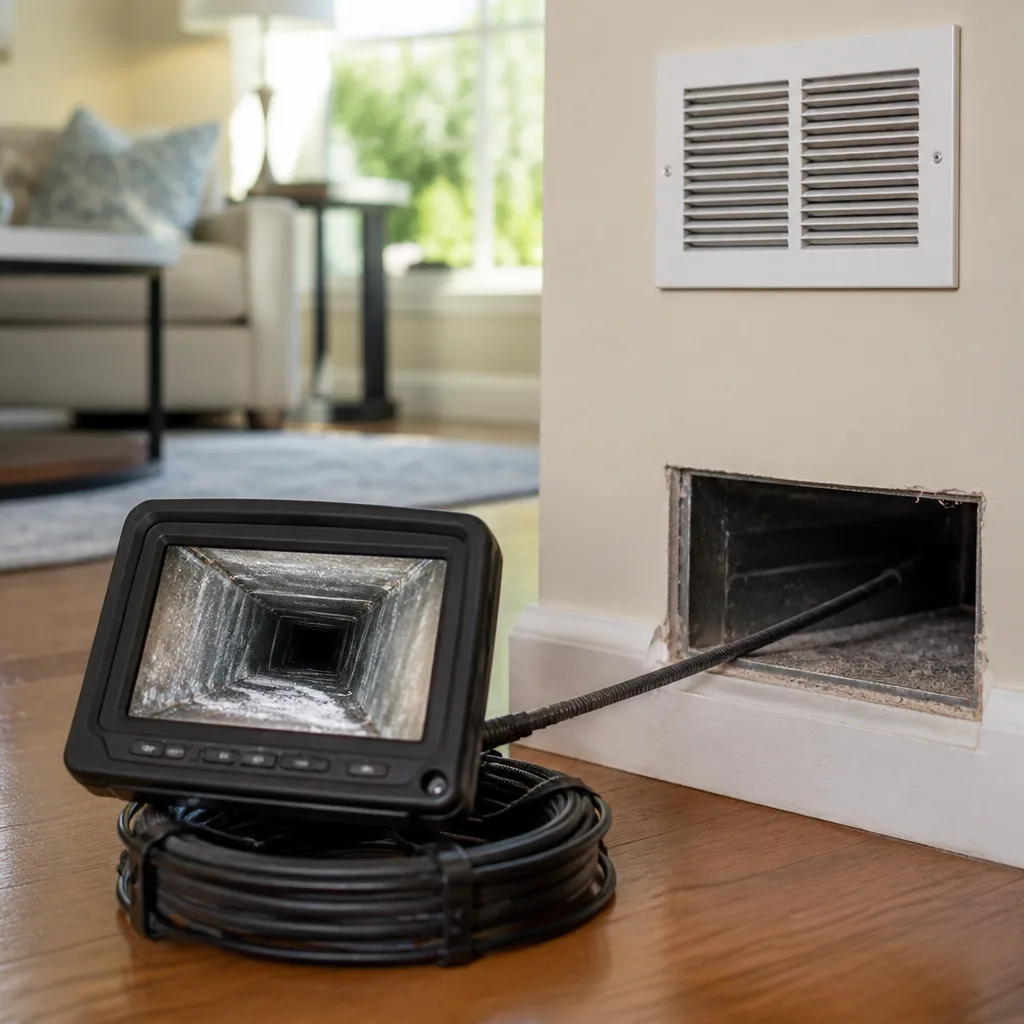 Camera inspection
 Sanitizing & deodorizing
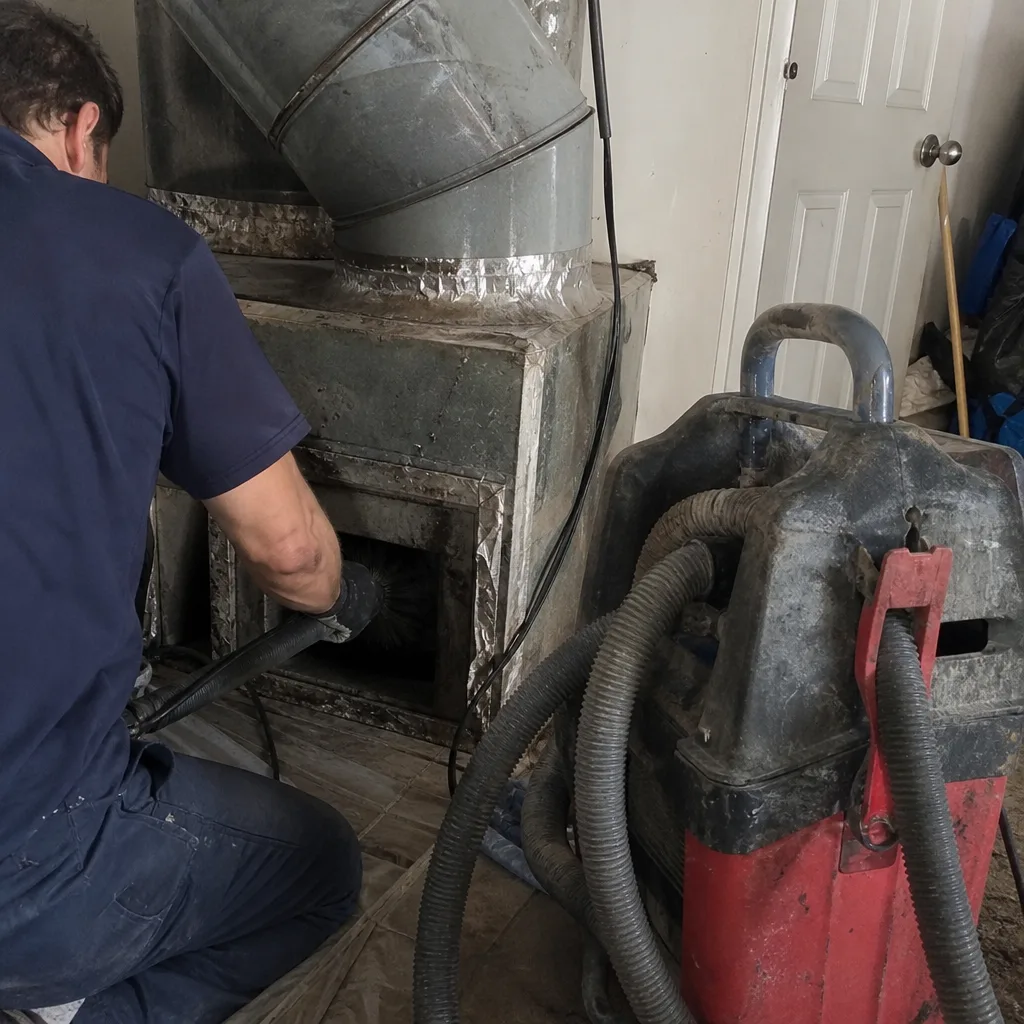
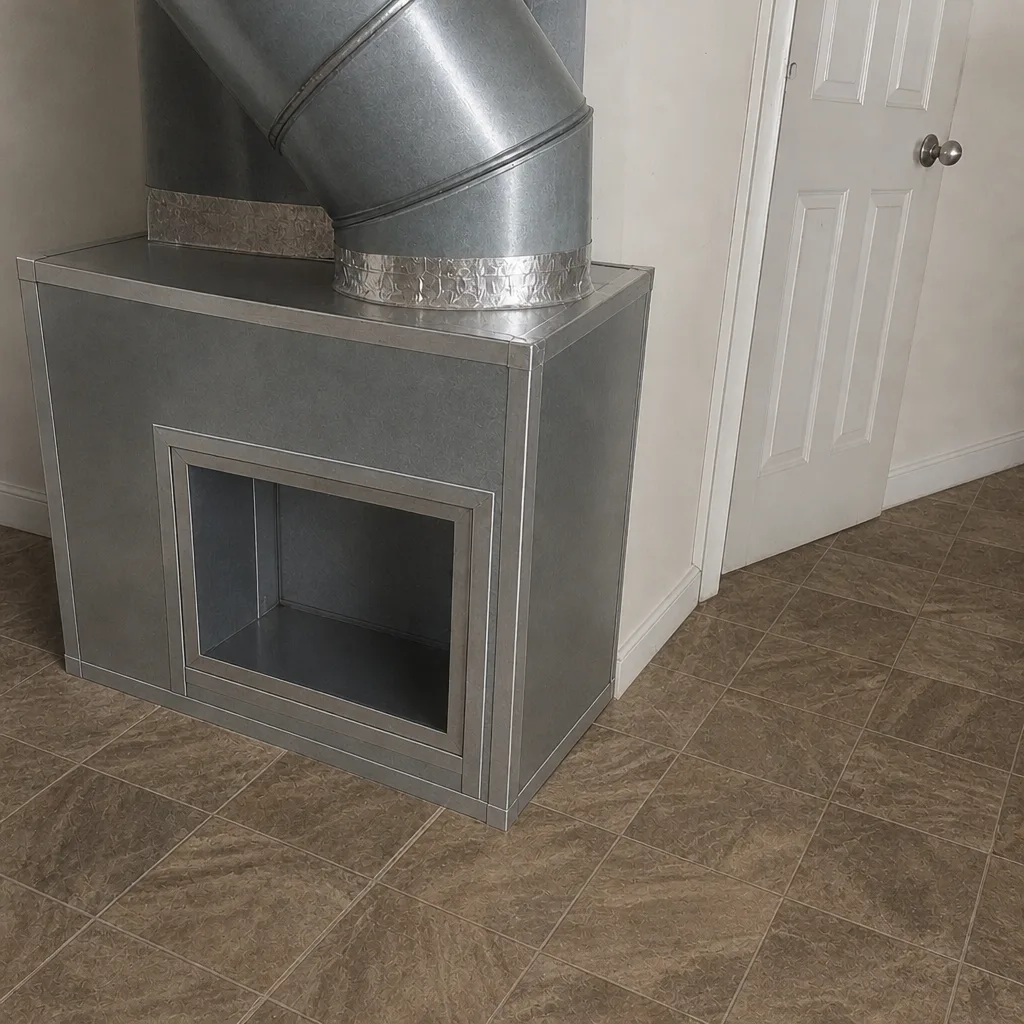
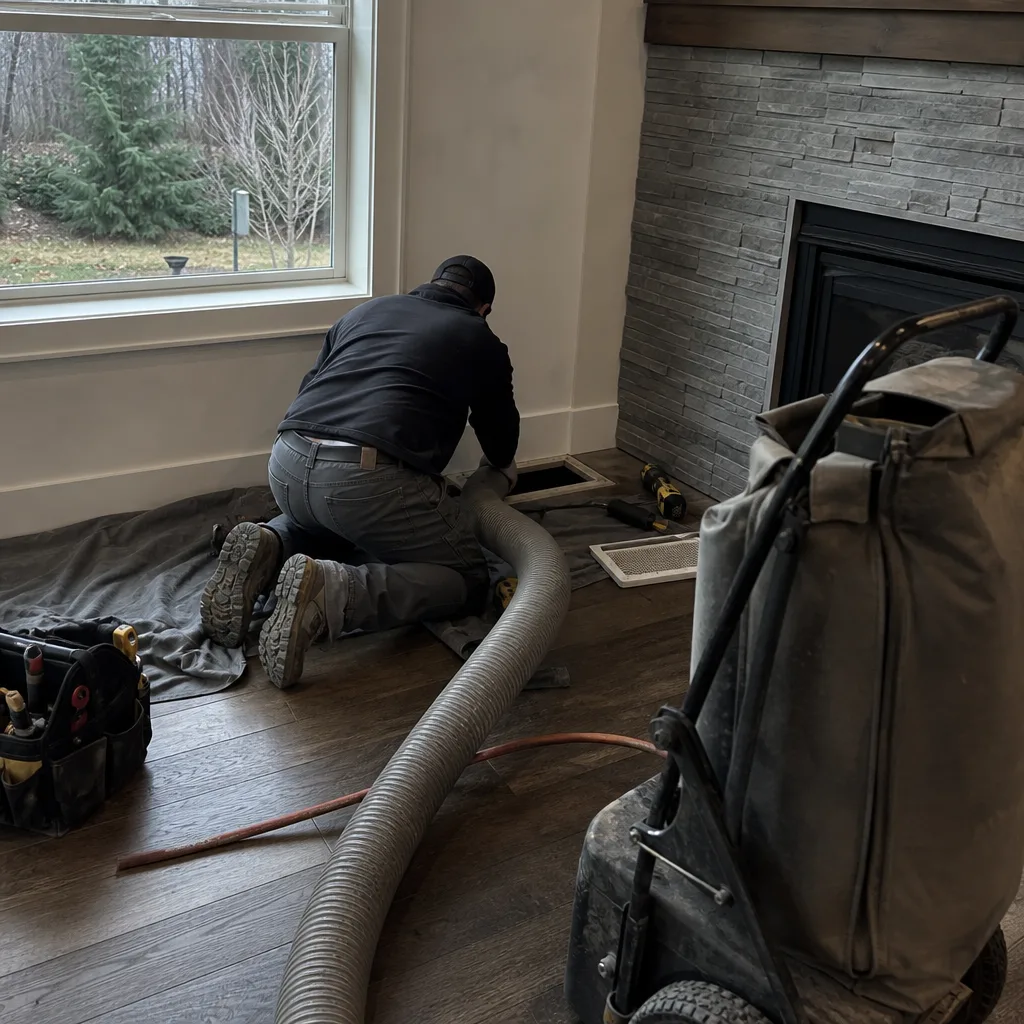
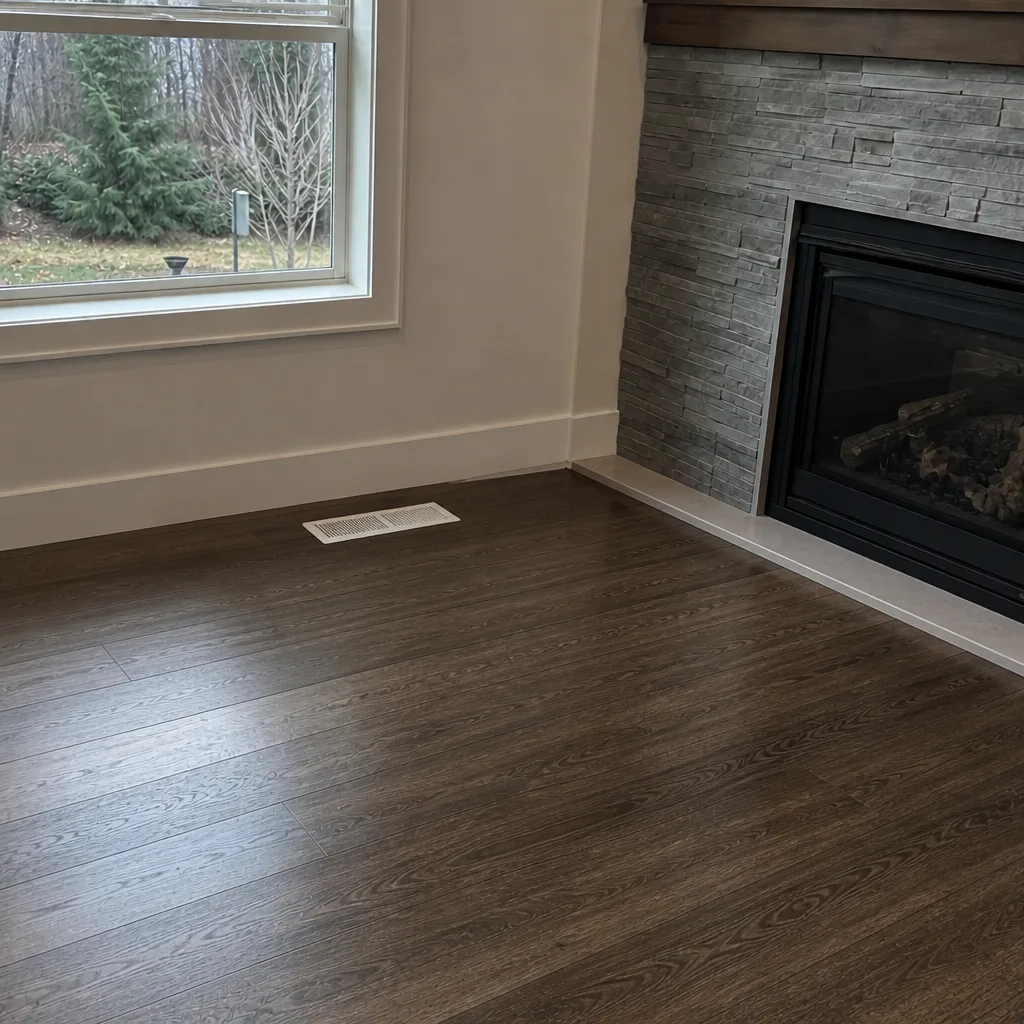
Whole-system duct and dryer vent check with before-and-after photos - you see exactly what came out of your vents
That "$99 whole-house special" is a bait ad - the real number appears once they are in your hallway, or the "clean" is a shop-vac at the register. We photograph the inside of your ducts before and after instead.
Air Duct Cleaning Warning Signs: A Bellevue Homeowner’s Reference Guide
Most homeowners in Bellevue treat every duct complaint the same way. The house feels dustier than it should, someone wakes up congested, one bedroom never heats properly, and the conclusion is always “we probably need our ducts cleaned.” That single conclusion leads to the wrong call more often than you’d think. Three different complaints usually have three different causes inside the duct system, and the fix that resolves one can leave the other two untouched. This guide maps the observable signs you can actually see and feel to the underlying duct-system conditions that produce them, so you know which problem you’re describing before you pick up the phone. Along the way we’ll cover what cleaning genuinely corrects, and where cleaning alone isn’t the answer.
Quick Answer
The main warning signs that your Bellevue home needs air duct cleaning are visible dust blowing from supply registers, musty or stale odors when the system runs, uneven heating or cooling from room to room, and HVAC runtimes that keep climbing without any weather explanation. Persistent allergy symptoms indoors and dust settling on surfaces shortly after cleaning are supporting signs. When those symptoms come with rattling, whistling, or visibly disconnected ductwork, cleaning isn’t enough and duct repair is the real fix.
Styles & brands we work with
- Whole-home duct cleaning
- Dryer vent cleaning
- Camera inspection
- Sanitizing & deodorizing
Table of Contents
- The Four Complaints and What They Actually Mean
- Visible Dust at the Registers: What It Tells You
- Musty or Stale Odors: Mold vs. Debris
- Uneven Heating and Cooling: Restriction or Leakage?
- Why Your HVAC Runtime Keeps Climbing
- Allergy Symptoms That Point to Ducts
- Signs That Cleaning Isn’t Enough
- How a Proper Bellevue Duct Cleaning Actually Works
The Four Complaints and What They Actually Mean
Here’s the core problem in one sentence: increased allergy symptoms, uneven room temperatures, and musty smells are three different complaints with three different duct-system causes, and treating them as one generic “get your ducts cleaned” situation is how work happens that doesn’t solve the problem. That’s the whole reason this guide exists. When you can describe the symptom accurately, you can ask the right questions and judge whether the person on the other end of the phone is actually listening.
Bellevue homes fall into two broad age groups, and the duct problems tend to track with them. Older construction around the older residential pockets of town often runs on rigid metal trunk-and-branch systems, which develop disconnected joints and failing sealant over time. Newer construction, including the townhome and condominium clusters that have gone up in areas like Bellevue’s downtown core and along the Spring District, tends toward flex duct runs that develop kinks, crushed sections, and sagging between hangers. Same city, different failure modes, and usually a different starting point for the cleaning.
Map each symptom to its likely origin before you schedule anything:
- Dust discharges from the registers: debris load sitting in the branch runs behind the register, or a supply system carrying dust from a compromised section.
- Musty or stale odor when the system runs: moisture-driven microbial growth, typically where duct surfaces stay cool and damp, or decomposed organic debris.
- Some rooms never reach temperature: either a restriction blocking airflow to that branch, or leakage bleeding conditioned air into a crawlspace or wall cavity.
- System runs longer and longer: restricted airflow loading the blower motor, or leaks forcing the system to work against a moving target.
Those four are the big ones. There are secondary signs (persistent indoor congestion, dust resettling days after you clean, rattling when the blower kicks on), and we’ll get to those, but the four above carry the most diagnostic weight. Learn to tell them apart and you’ve already solved half of what usually goes wrong with a duct cleaning call in Bellevue.
Visible Dust at the Registers: What It Tells You
Dust at the supply registers means debris is accumulating in the branch runs directly feeding those registers, not that the entire system is equally dirty. That distinction matters because a good cleaning targets the whole system, not just the visible spots, and a technician who only cleans what you can see has done half the job.
Two different observations look similar but mean different things:
- Dust on or around the register faceplate. This usually points to debris loading in the branch run behind that specific register. It’s local, and it’s the most visible sign. The registers with the heaviest buildup tell you which branches are carrying the most debris, which is often the branches with the longest runs or most turns.
- Dust accumulating on the air-handler filter or the return-side return grille. This points to the return side of the system. When the filter is bypassing, when the filter housing has gaps, or when the return ducting has a breach, dust gets past the filter and loads the entire downstream system. In that case the supply registers may look clean while the return plenum and the blower cabinet are packed.
These two symptoms point to different loads at different locations, and they’re addressed differently. A supply-side load behind a specific set of registers responds to mechanical agitation at those branches. A return-side load usually means the filter housing needs sealing before a cleaning is even worth doing, because otherwise the new dust load rebuilds fast.
What you’re looking for is not just whether there’s a visible dust ring around the vent. Look for a gray, silty discharge on the wall or ceiling around the register, and dust that reappears after you wipe it down. On older metal duct systems in Bellevue that’s especially common at the grilles feeding bedrooms and the home office, which are usually the longest runs fed by the smallest branch ducts. Those branches collect debris because they push the least air, which is also why that room feels cool even after you clean.
Musty or Stale Odors: Mold vs. Debris
A musty odor in the air passing through a duct means the duct interior is hosting microbial growth or decomposing organic material, and the two are not fixed the same way. This is a sign that sometimes gets lumped into everything else as “the ducts smells funny,” and that lumping leads to the wrong cleaning approach.
If you have a musty, damp, earthy smell when the system runs, you’re most likely looking at moisture-driven growth on duct surfaces. That happens where cool supply lines cross through warmer, humid spaces such as a garage ceiling or a wall cavity in a tight townhome, or where a return duct runs behind a bathroom that gets a lot of use. Condensation on the exterior of a metal duct is a normal winter problem here, and if the duct insulation has degraded, that condensation wicks into the duct wall and into the surrounding insulation. Deposits that smell faintly of decay, dust, and old house but have no dampness to them are usually decomposed dust and debris, not active growth.
Why the distinction matters:
- Debris-origin odors usually resolve with a thorough mechanical cleaning of the entire system, including the return and any accessible plenum. Agitation and extraction remove the source.
- Mold-origin odors require the cleaning plus attention to the moisture source. If the underlying dampness isn’t addressed, the growth returns. This is where our use of Abatement Technologies containment matters: dislodged material is captured at the source with negative air pressure rather than being redistributed through the home while it’s being removed.
Bellevue’s wetter months stretch from roughly October through April, and unheated garages, crawlspaces, and poorly ventilated utility rooms become the usual suspects for moisture intrusion. If a musty smell appears only in the cool months and disappears in summer, that seasonal pattern points toward condensation and insulation rather than a year-round dust load. Note the season you notice it in; it’s a diagnostic clue, not a detail.
Uneven Heating and Cooling: Restriction or Leakage?
Uneven temperatures from room to room mean the system is delivering different air volumes to different spaces, and the cause is either a restriction inside the ducts or a leak somewhere along the run. Those two require different fixes, which is why we don’t recommend a cleaning as a way to “see if it helps.”
Here’s how to tell them apart:
- Feel the airflow at each register. If a room is cold and the register has weak airflow, you have a restriction. If the room is cold and the register is blasting air that isn’t cold enough, you likely have a leak, a return problem, or the room is losing heat through windows or ceiling more than the duct can compensate for.
- Look at the run itself. A flex duct run that’s sagged, kinked, or crushed by a joist, or one that loops and traps air, is a restriction. A disconnected joint, a torn inner liner, or a run that terminates into an unconditioned attic without a boot is a leak.
- Compare two adjacent rooms with similar sun exposure and similar floor area. If two similar rooms perform very differently, that difference is nearly always duct-related. If similar rooms perform the same way, the problem is likely system capacity or the home’s envelope, not the ducts.
In Bellevue homes on sloped lots, particularly those with portions over daylight basements or garages, the duct run often travels a longer distance through less conditioned space and is more likely to encounter a leak. Homes with rooms added on after the original build often have a duct extension that shares a branch with the original room, and the newer room gets the short end of the airflow.
Restrictions can sometimes be resolved with cleaning plus repositioning or re-hanging the run. Leaks need sealing or repair. If we find a crushed flex run behind a ceiling access, our ability to also handle Bellevue duct repair under the same service visit means the fix actually happens, not just gets documented. What a cleaning can’t do is add capacity the system was never designed for, which is why we don’t promise that.
Why Your HVAC Runtime Keeps Climbing
If the heating or cooling system is running longer without any change in weather, the most likely explanation is that your ducts are restricting airflow. Restricted airflow forces the blower motor to work harder and the system to cycle longer to reach the setpoint, and that extra runtime compounds as the restriction worsens over a season.
What actually happens: as dust, debris, and sometimes partially collapsed flex duct reduce the cross-section inside the ducts, the blower gets less air than it was designed to move. To compensate, the system runs longer. A gas furnace heating a Bellevue home through the cooler months under a moderate restriction may run nearly continuous during cold snaps, and its ducts carry air at higher static pressure with less actual flow. The energy impact is real, but more important is the wear on the blower, the blower motor, and the heat exchanger, which relies on airflow to stay within its temperature limits.
To distinguish a duct restriction from a system problem:
- Check the filter first. A dirty filter is a restriction too, and it’s the cheapest one to rule out.
- Compare the registers that run off the same trunk. If some registers push strongly and others are weak, the restriction is likely downstream in specific branches.
- Listen and feel at the return. A return that whistles or has a weak draw is a sign of undersized or blocked return capacity.
- Look for the signs of restriction mentioned above: sagging, crushed, or kinked flex duct. This isn’t something you fix from the register; it’s usually inside a crawlspace, attic, or wall cavity.
An HVAC contractor who checks the system and finds nothing wrong with the equipment is often the first person to name the ducts as the problem. At that point the question is whether the ducts need cleaning, repair, or sealing, and a proper inspection will tell you which.
Allergy Symptoms That Point to Ducts
Allergy symptoms that ease when you leave the house and worsen when you return usually point to a source inside the home’s air, and ducts are a common carrier. That said, congestion or watery eyes alone don’t prove a duct problem; they prove an air quality question that deserves a systematic look.
Signs that increase suspicion of a duct issue:
- Symptoms that are better outdoors and worse at home, especially in rooms with the strongest supply registers (typically the bedroom and living room).
- Symptoms that worsen when the heating or cooling cycles on and improve when the system is idle.
- Household members with asthma or known seasonal allergies reporting more frequent rescue inhaler use indoors in the same home.
- Dusty “rings” around supply registers that correlate with the rooms that trigger symptoms most.
Where this gets overlooked is in assuming any improvement requires a cleaning. In a home with a filter bypass or a return duct leaking into a crawlspace, the air quality problem is the leakage, not the dust. Cleaning first, carefully, addresses both once the intake path is sealed. Our recognition with Honeywell and Aprilaire filtration equipment means we can talk through whether a higher-efficiency filter downstream of the cleaning makes the level of filtration match the household’s needs, rather than selling a filter as a substitute for cleaning the system.
If a family member has diagnosed respiratory sensitivity, that’s a reason to take the time to inspect the return and supply paths properly, ask about filter bypass and return air leakage, and get clear answers before the work starts. Our technicians have up to 14 years of experience in the systems that actually control fine particulate in the home, and the cleaning process itself is the biggest lever on indoor particulate levels.
Signs That Cleaning Isn’t Enough
Cleaning goes after what’s inside the ducts. Repair goes after the ducts themselves. A cleaning a broken system and walking away leaves the root problem in place, which is why a proper inspection before work starts matters as much as the cleaning itself. Here are the physical warning signs that point toward repair rather than cleaning alone:
- Visible disconnections or separated joints. A duct that has pulled apart at a seam, at a takeoff, or where it enters a boot leaks a meaningful share of the air the system produces. Cleaning doesn’t reconnect it.
- Sagging or crushed flex run. A flexible duct that has sagged between hangers, kinked at a turn, or been crushed by stored items or a joist is a restriction cleaning can’t fix.
- Torn inner liner. Some flex duct has a plastic inner membrane. A tear creates a leak and can shred into the airstream. Cleaning will not repair the tear; it can dislodge more liner.
- Rattling or whistling at the register. A rattle is usually a loose connection or a loose boot; a whistle is usually a leak at a joint or a poorly fitted register. Both are mechanical, and cleaning doesn’t correct them.
- Water staining or visible corrosion on duct exterior. Corroded duct wall or trapped moisture in the duct insulation often indicates insulation and possibly duct section replacement, not cleaning.
- Room never gets to temperature even right after cleaning. Once the system is cleaned and the restriction persists, the remaining cause is usually a restriction or leak in the run itself.
We repair what others walk past. That’s the difference between a cleaning company and a company that understands the full system: cleaning, dryer vent, and structural duct repair under one provider. When we find one of the six signs above, we fix it as part of the same visit rather than handing you a second appointment.
One safety note before we go further. If you’re inspecting your own accessible ducting (crawlspace, attic, or behind an access panel), stay out of any panel that contains the air handler’s electrical section and any gas line. Electrical and gas components are not a do-it-yourself inspection area, and we recommend a trained professional for anything that touches wiring or a gas connection.
How a Proper Bellevue Duct Cleaning Actually Works
A proper duct cleaning is a mechanical process with containment, agitation, and extraction, and it looks nothing like running a shop-vac over a register. Every step matters because the failure mode in this industry is doing one part of the job and charging for the whole thing.
- Inspection of the full system. We inspect the returns, the supply branches, the plenum, and the accessible duct runs. The inspection is where we identify the specific load zones that match the symptoms you described, and whether any of the repair indicators from the previous section are present.
- Containment at the source. Abatement Technologies equipment lets us establish negative air pressure and containment during cleaning. Dislodged debris and contaminants are captured inside the containment instead of being driven back into the house. When you have a family member with respiratory sensitivity, this is the part of the process that matters to your daily experience, not a marketing phrase.
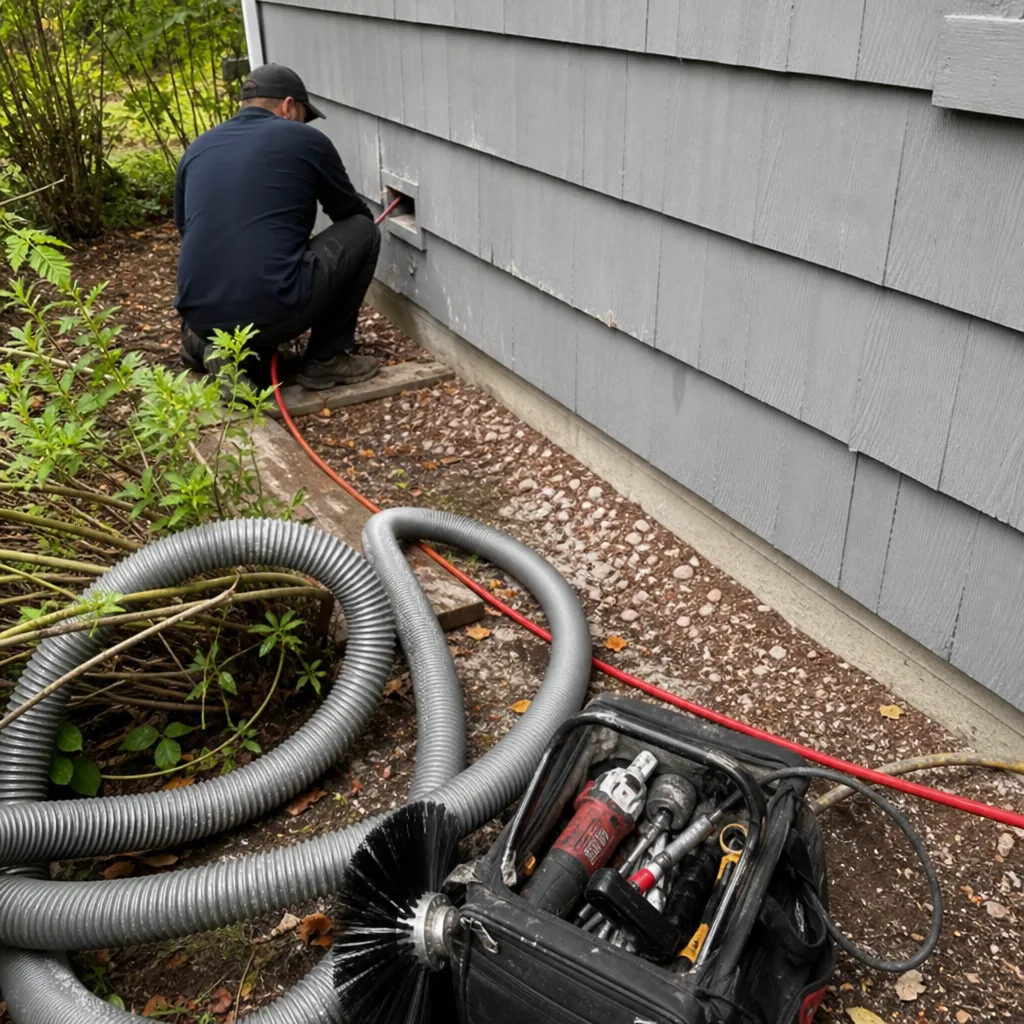
- Mechanical agitation. The Rotobrush rotary brush system agitates dust and debris off the duct walls, where it can be extracted. Vacuuming the register box without agitation removes the loose material and leaves the bonded layer that keeps sloughing back.
- Extraction with rated equipment. Nikro HEPA-rated vacuum systems handle the particulate capture during and after agitation. The rated capture is what keeps the cleaning from becoming an air quality event of its own.
- Verification with before-and-after photos. We photograph the duct interior before and after the cleaning, so you see the actual ducts in your home and the actual change, not a claim on a website.
One flat price per system is agreed before work starts. That means no per-vent pricing, no surprise additions once the equipment is in the house, and no looking at a low teaser number and then getting charged something completely different at the end. Dryer vent cleaning is part of our core service, not an add-on, and we treat it as the fire-prevention service it is. Cleaning, venting, and repair under one call covers the whole system without a second provider for the parts the first one won’t touch.
Common Mistakes to Avoid
- Calling a cleaning company to fix a leakage problem. A duct that has disconnected at a takeoff doesn’t get sealed by cleaning it. If any of the repair signs above are present, ask directly whether the company does repair, not just cleaning.
- Assuming a cheap quoted price is what you’ll pay. The low teaser number that grows once the technician is on-site is this industry’s genuine reputation problem, and it’s been around long enough that it’s the first thing to ask about. One flat price per system, agreed before work starts, rules it out.
- Booking a cleaning without asking about containment or equipment. Any cleaning that dislodges debris without containment can make indoor air quality worse during the work.
- Ignoring the return side of the system. A company that cleans the supply registers and skips the returns is doing half a job. The return carries the dust load that reaches every register downstream.
- Buying a cleaning to fix a moisture problem. Musty odors with a clear damp source in a wall or crawlspace need the moisture addressed, sometimes with additional work beyond the ducts. Cleaning alone won’t locate it.
- Treating dryer vent cleaning as optional. The dryer vent is part of the household’s air and fire safety picture, and it deserves the same equipment and verification as the ducts.
- Waiting until a room is unusable to call. By the time a room can’t hold temperature, the restriction or leak has usually been building for more than a season.
See the difference
 Before
 After
 Before
 After
 Before
 After
When to Call a Professional
Call a professional when you see visible dust blowing back from supply registers shortly after a cleaning, when a musty or stale smell appears whenever the system runs, when a room can’t hold temperature while the register is moving air, or when the system runtime keeps climbing across a season. Those are the situations where a proper inspection separates cleaning from repair before work starts. Also call when a duct run is visibly disconnected, crushed, or sagging, or when a room used to be comfortable and no longer is. Duct Cleaning Bellevue offers free estimates in Bellevue; call (833) 454-4523 to get an honest look at the system, with a flat price per system agreed before any work begins and before-and-after photos of the actual ducts in your home.
Frequently Asked Questions
We don’t disclose a per-vent price or a teaser coupon figure because those figures usually misrepresent the total cost of a proper whole-system cleaning. Honest whole-system pricing depends on the number of accessible systems, the number of supply branches, the return configuration, the level of debris load, and whether any repair or sealing is part of the job. That’s why we quote a flat price per system after inspecting the home, and the written estimate is the final price. Call (833) 454-4523 for an exact quote. Estimates are free.
Because many low quote prices don’t include the work required to clean the actual system. A shop-vac and a flashlight visit that touches the visible registers leaves the branch runs and the plenum untouched, and the result is a home that looks handled but was not. The low number is also a door-opener: once the technician is on-site, the number grows to cover the real work, which is why the industry has a bait-and-switch reputation. We price per system up front and bring commercial-grade equipment (Rotobrush rotary agitation, Nikro HEPA-rated extraction, and Abatement Technologies containment) so the quote covers the job. Call (833) 454-4523 for an exact quote. Estimates are free.
Before-and-after photos of the duct interior are the honest verification, not a claim from a company about its own process. Ask for those photos at the end of the visit. Also ask whether the technician can describe the specific conditions he or she found and how those were resolved. Our technicians use that documentation as part of the closeout so the customer sees the ducts and the condition, not a summary. Call (833) 454-4523 for an exact quote. Estimates are free.
There’s no single correct interval, and any company that tells you exactly how often to clean without inspecting the home is guessing. It depends on whether pets, smokers, or people with respiratory sensitivities live in the home, whether the ducts have been cleaned before, and whether the return side is properly filtered. The honest answer is to inspect, identify the actual debris load, and decide from there. In many Bellevue homes, a careful look every few years is sensible; in homes with a filter bypass or a leaky return, the next cleaning is triggered by resolving the intake issue, not by a calendar. Call (833) 454-4523 for an exact quote. Estimates are free.
It’s a strong indicator, but the specific cause matters. A musty, damp, earthy smell carried through the system usually points to microbial growth or to moisture in the duct or surrounding insulation, and the approach differs from a dust-debris odor that just smells stale and dusty. In a home with a musty system, the inspection looks specifically at access panels, the return plenum, and any duct runs through unconditioned spaces where condensation is likely, and whether repair or replacement of insulation is part of the answer. Call (833) 454-4523 for an exact quote. Estimates are free.
Cleaning is the right call when the problem is inside the duct, and duct repair is the right call when the duct itself is compromised: disconnected, crushed, sagging, torn, or whistling at a joint. Many homes need both, and a proper inspection before work starts identifies which applies. We offer cleaning, dryer vent service, and structural duct repair in a single visit so the cleaning isn’t done on a system that needs repair first. Call (833) 454-4523 for an exact quote. Estimates are free.
The Bottom Line
The best way to avoid wasted work is to describe the symptom accurately before you call. Dust at the register is a supply-side load; dust at the filter housing is a return-side issue. Musty damp smells need moisture addressed, stale dusty smells respond to cleaning. Uneven rooms are a restriction or a leak, and climbing runtime is usually a restriction. Once you can tell those apart, the fix follows. If any of the repair signs are present, ask about repair as well as cleaning, because cleaning a broken system is half the answer. Our technicians have up to 14 years of experience, and one flat price per system keeps the honest answer the one you pay for.
Call (833) 454-4523. We answer 24/7. Fast dispatch from 7am to 7pm, Sunday through Friday.
Written by the team at Duct Cleaning Bellevue.