
Last updated November 15, 2026
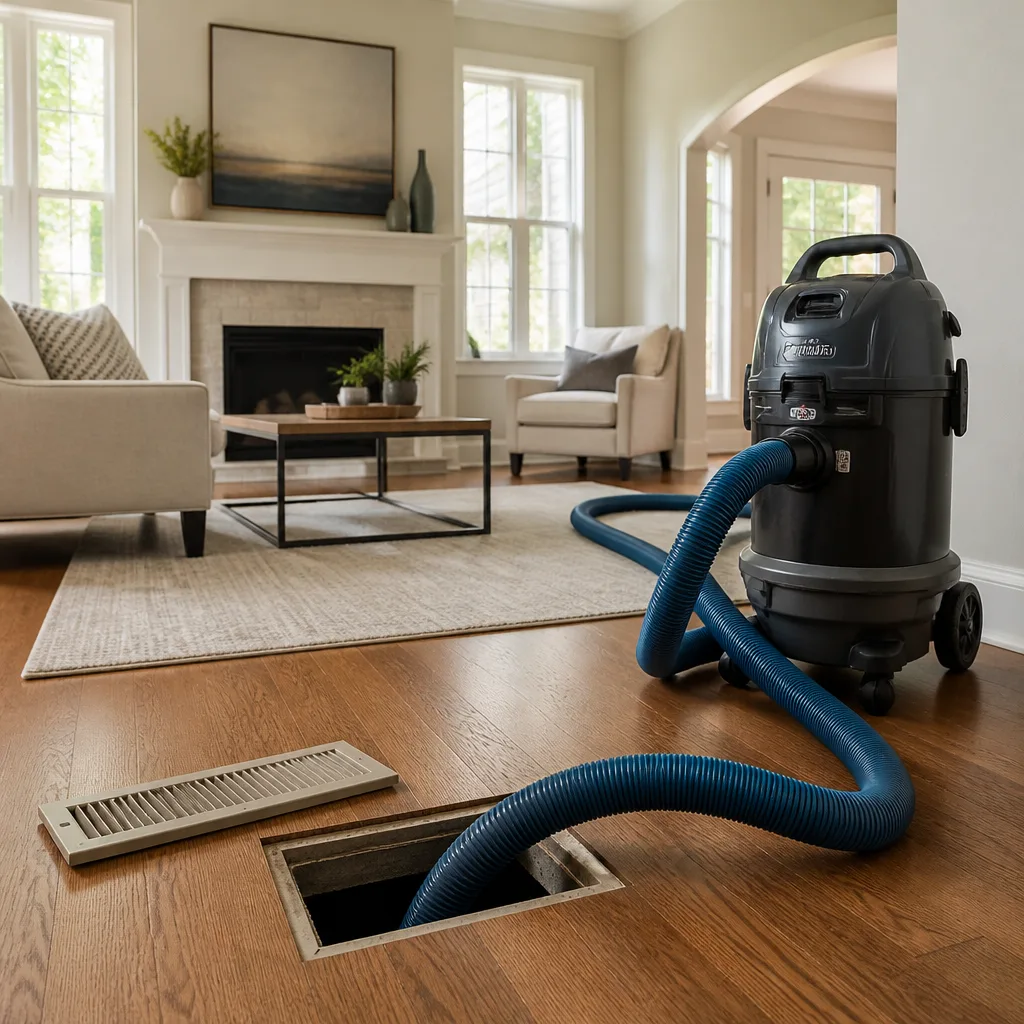 Whole-home duct cleaning
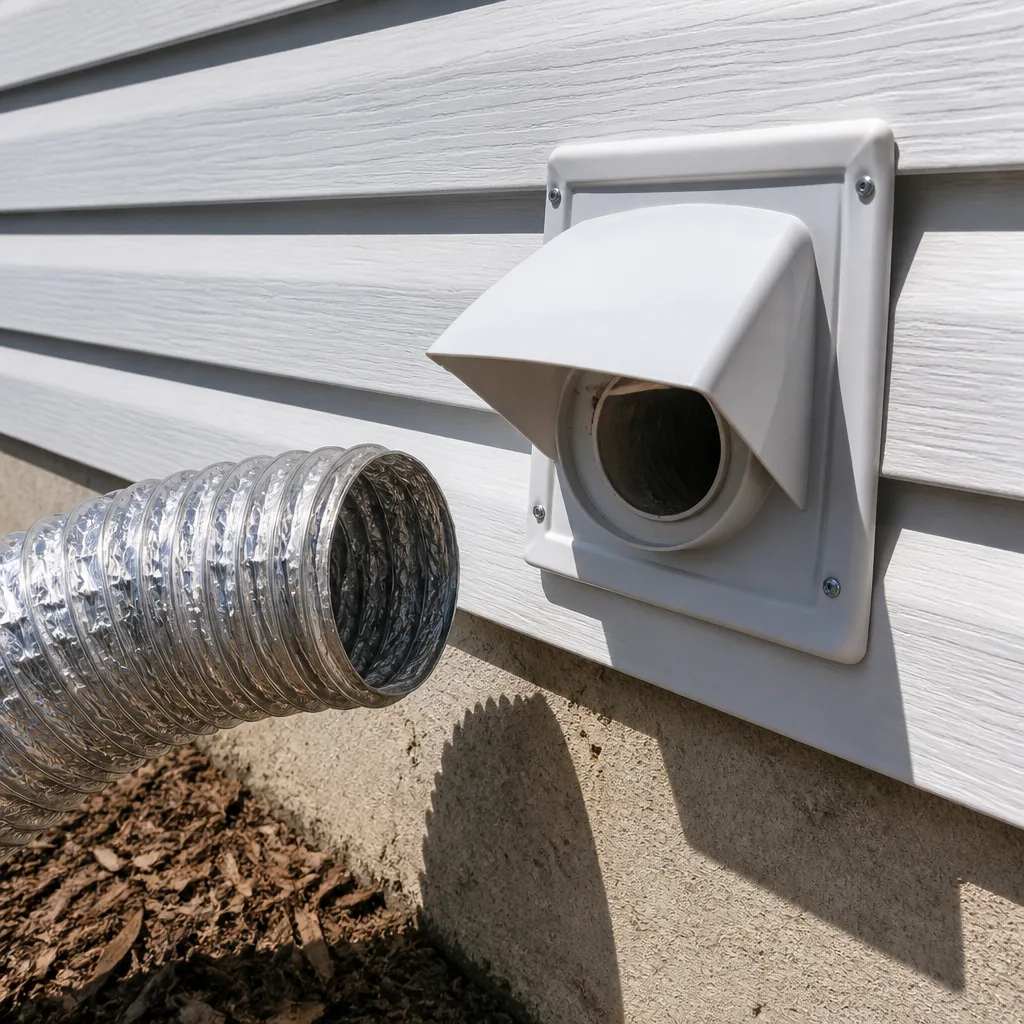 Dryer vent cleaning
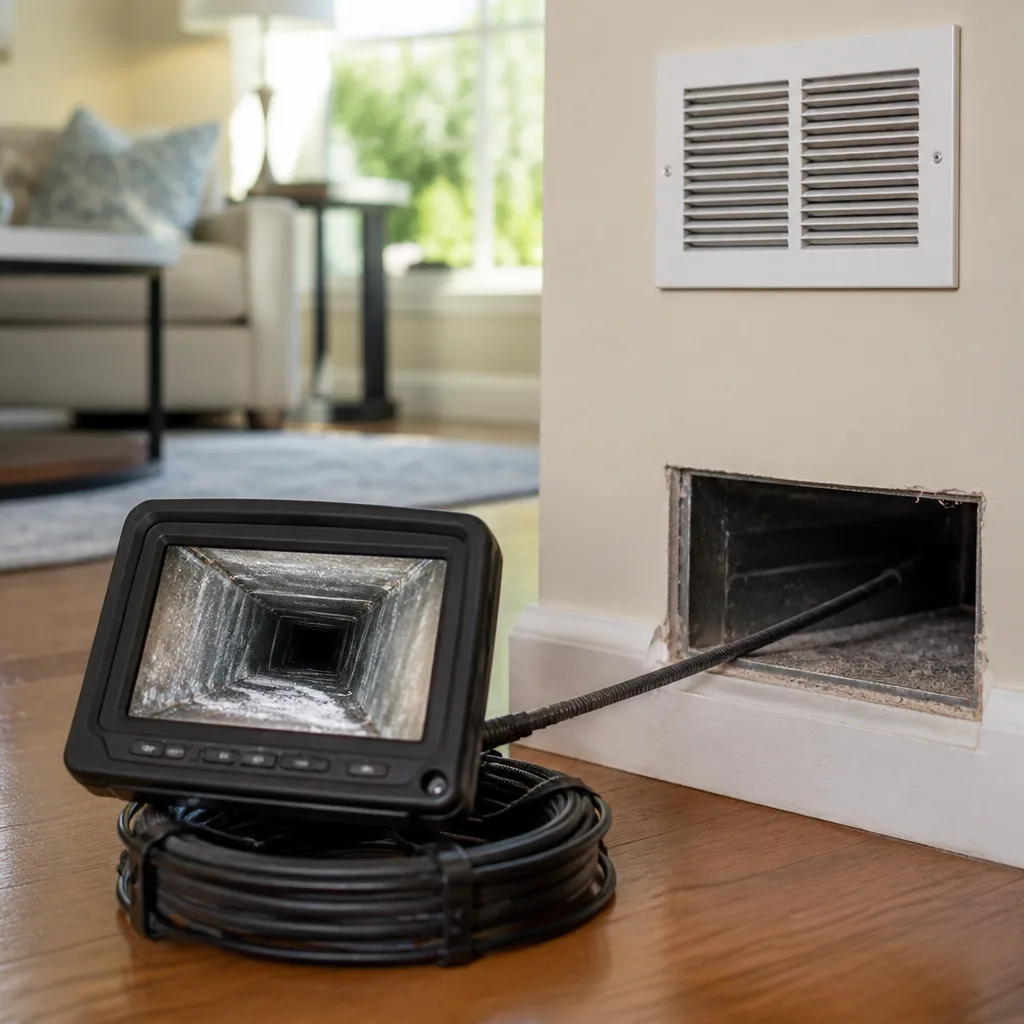 Camera inspection
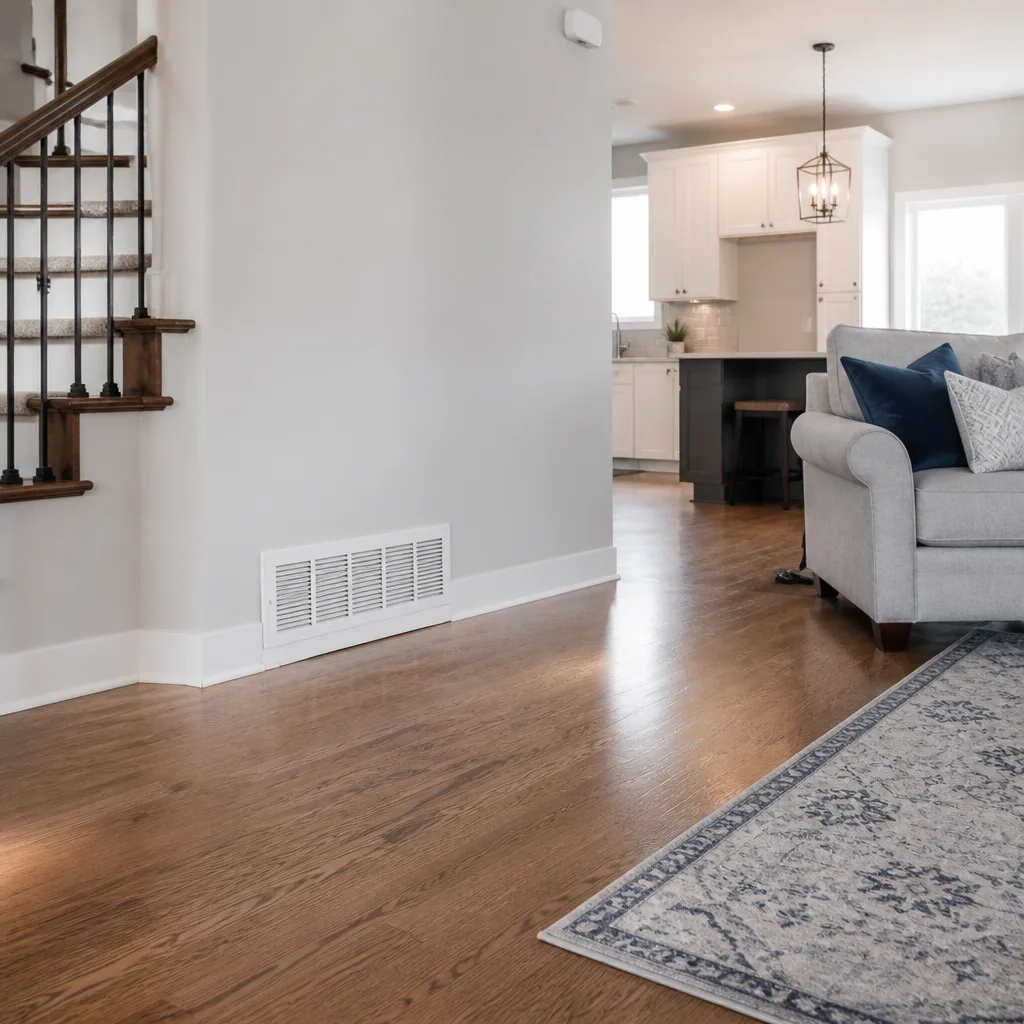 Sanitizing & deodorizing
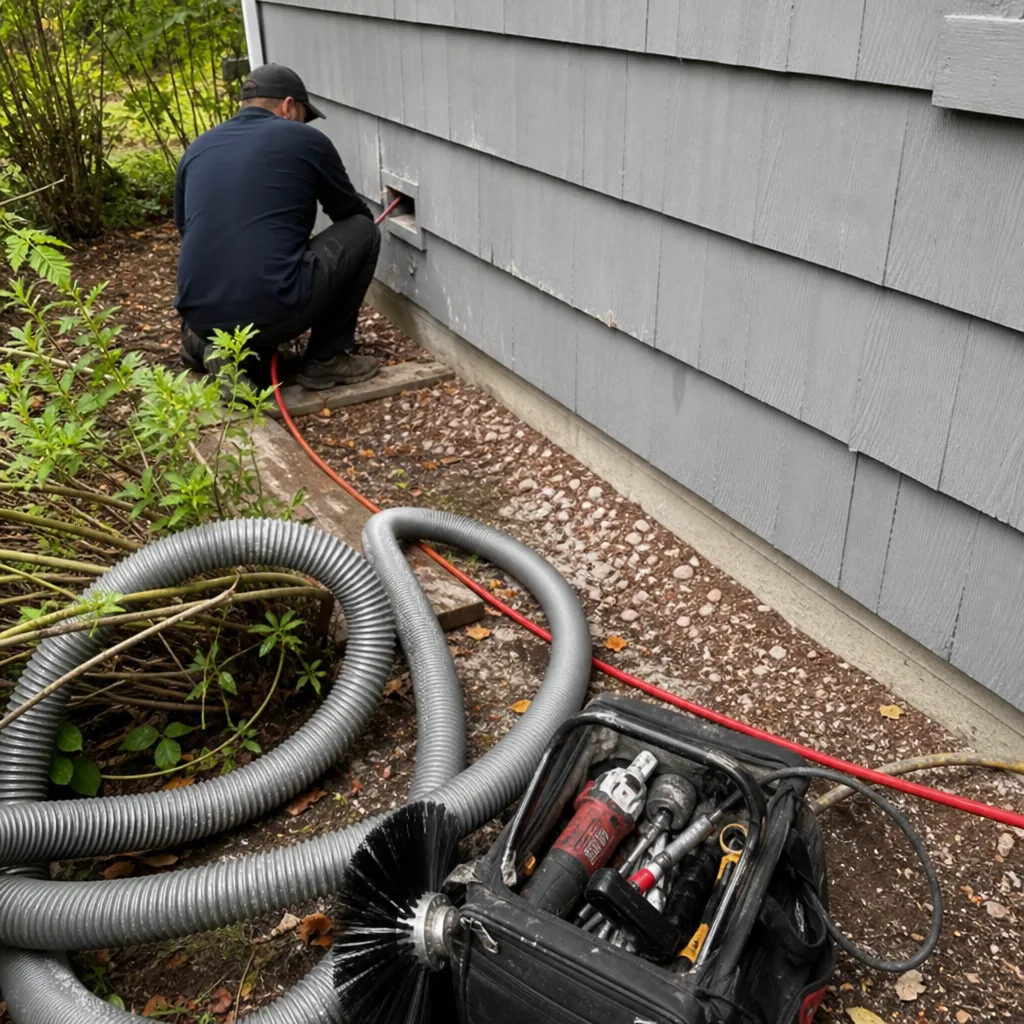
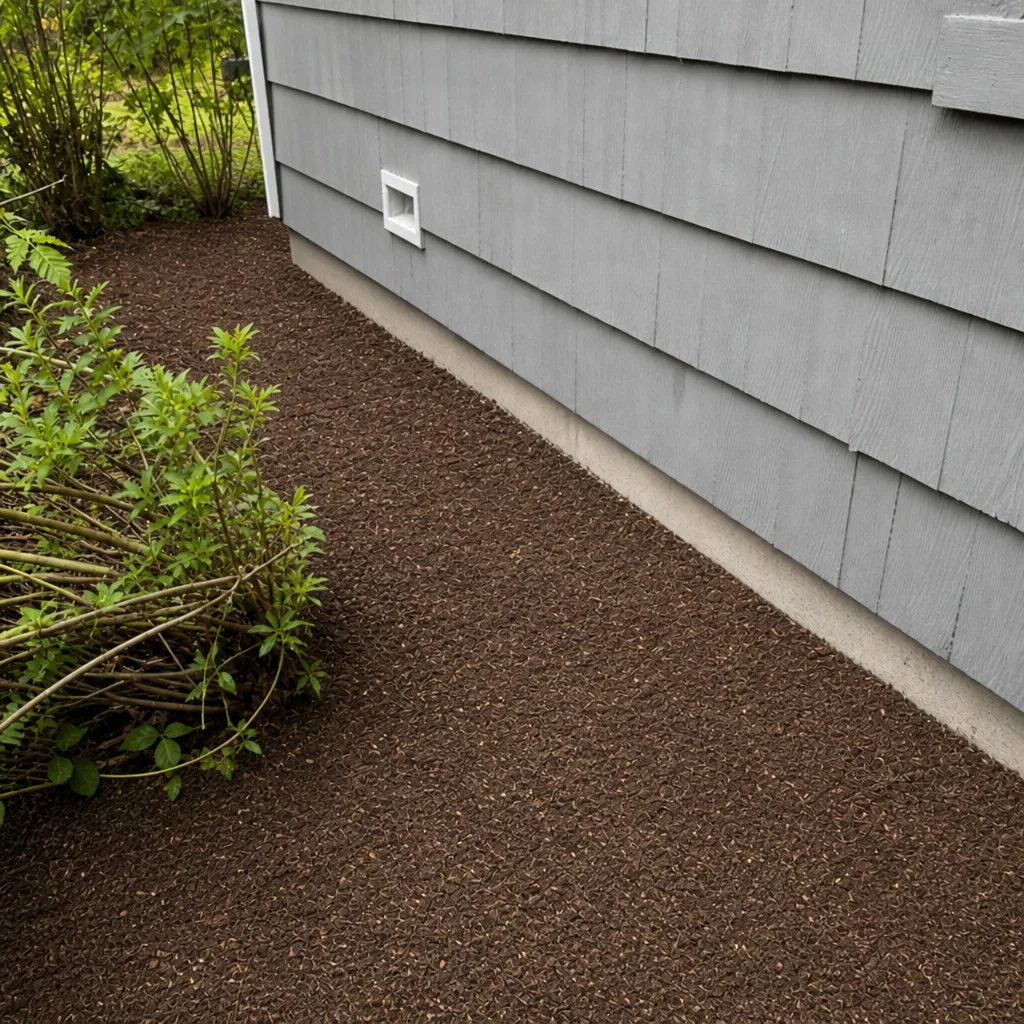
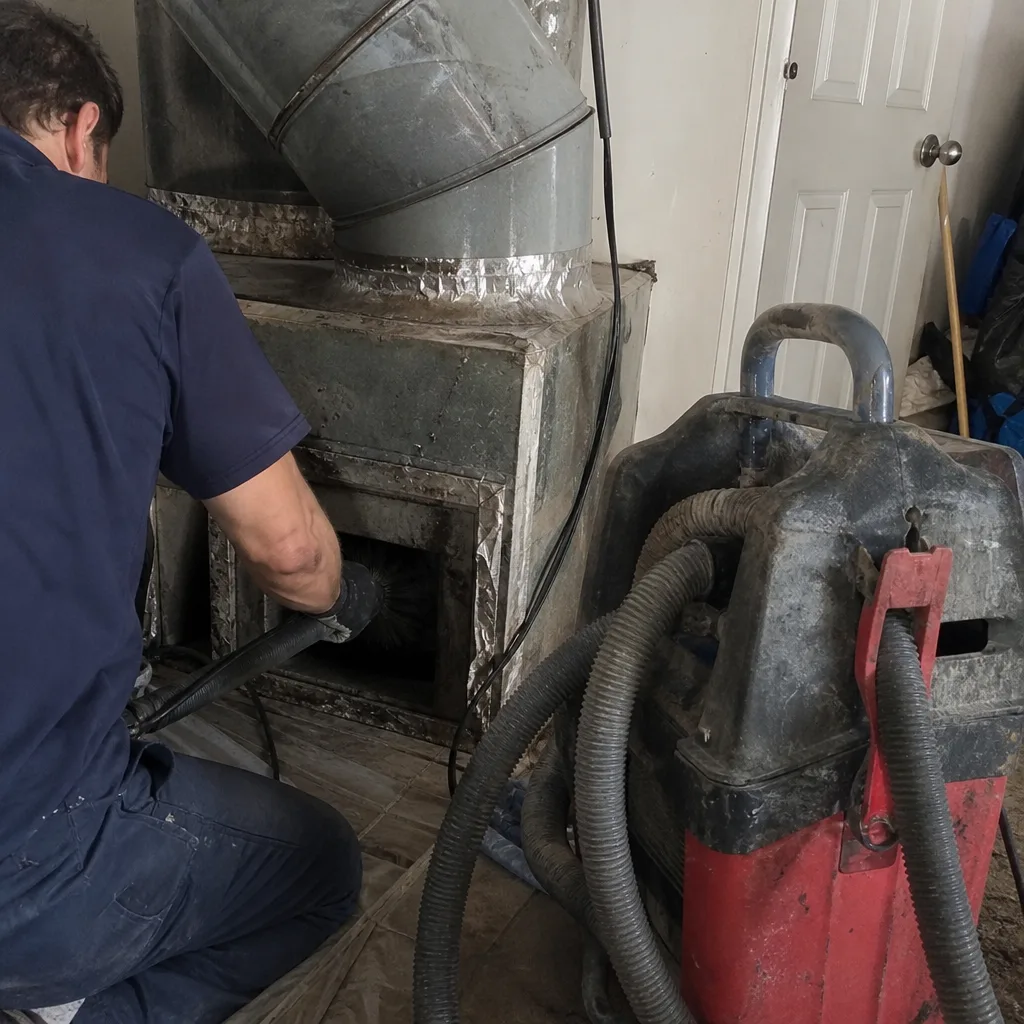
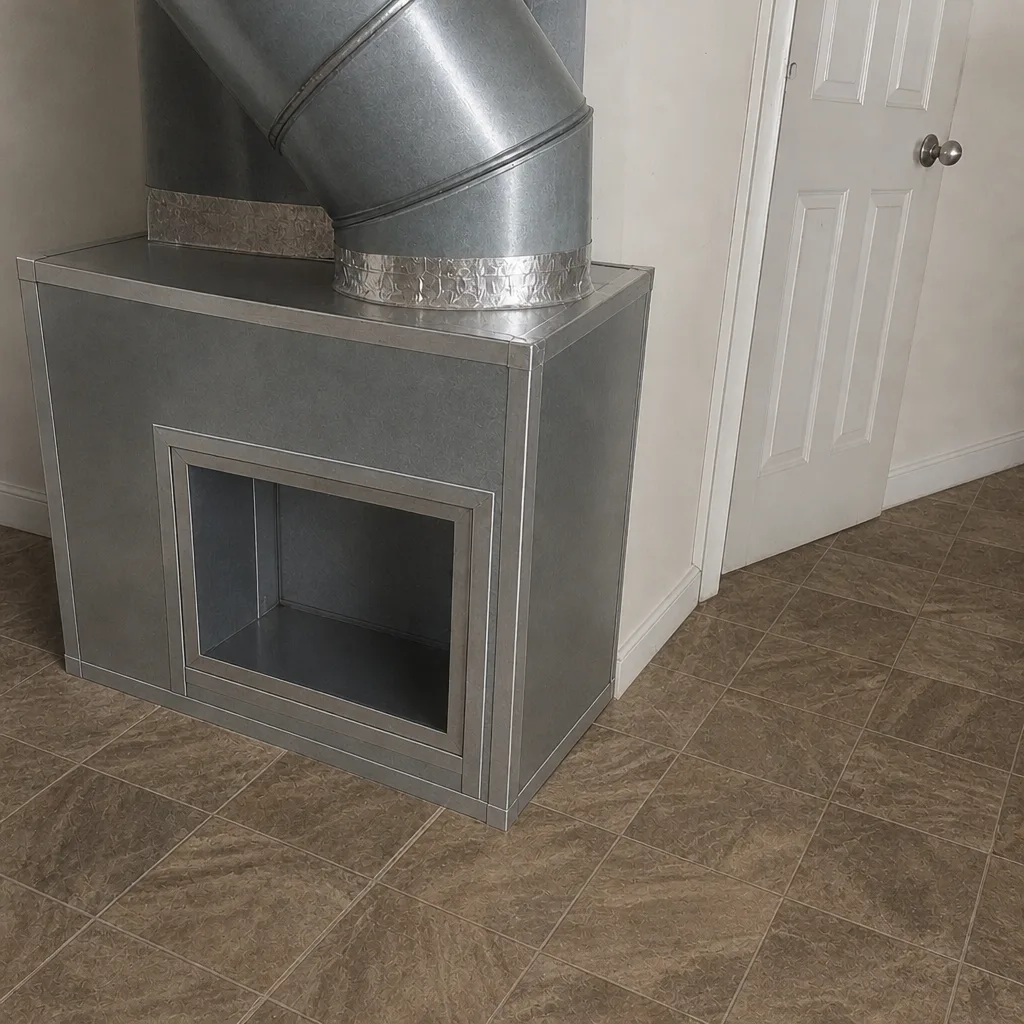
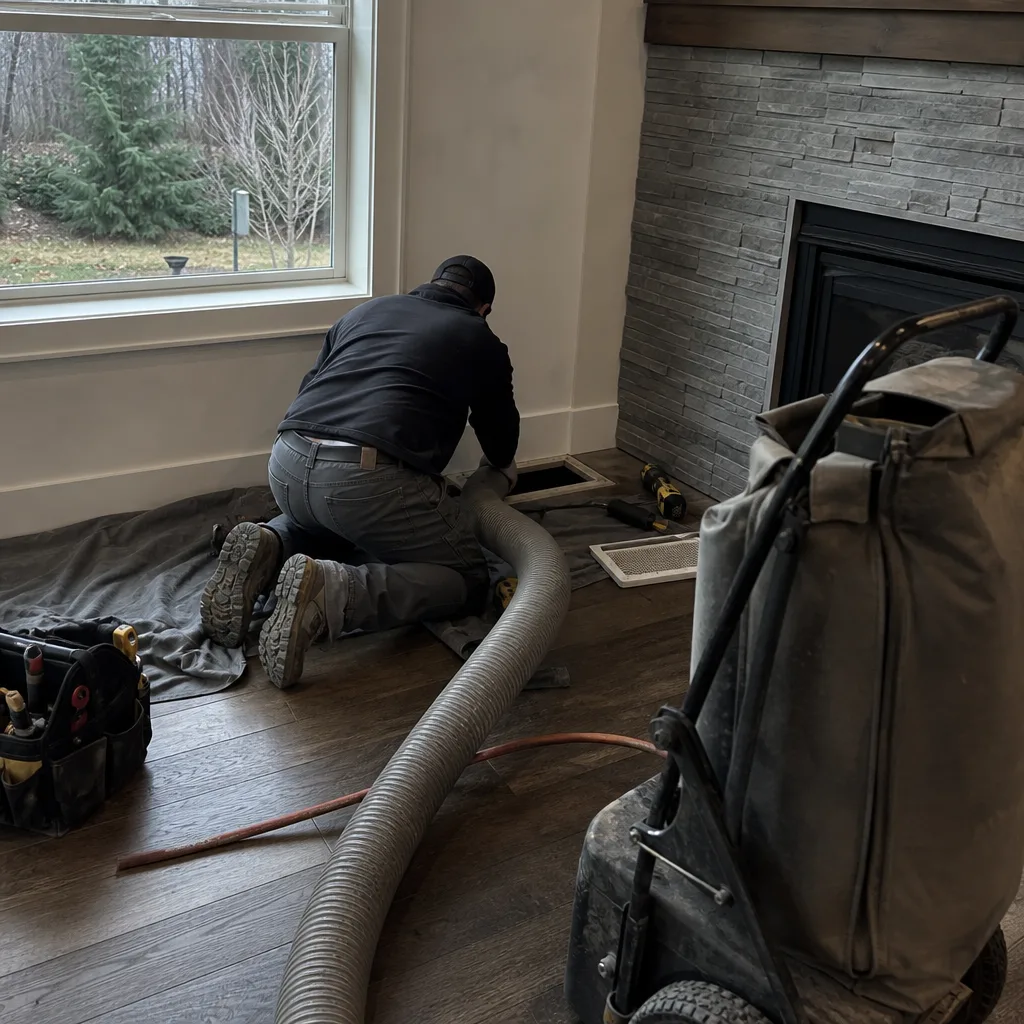
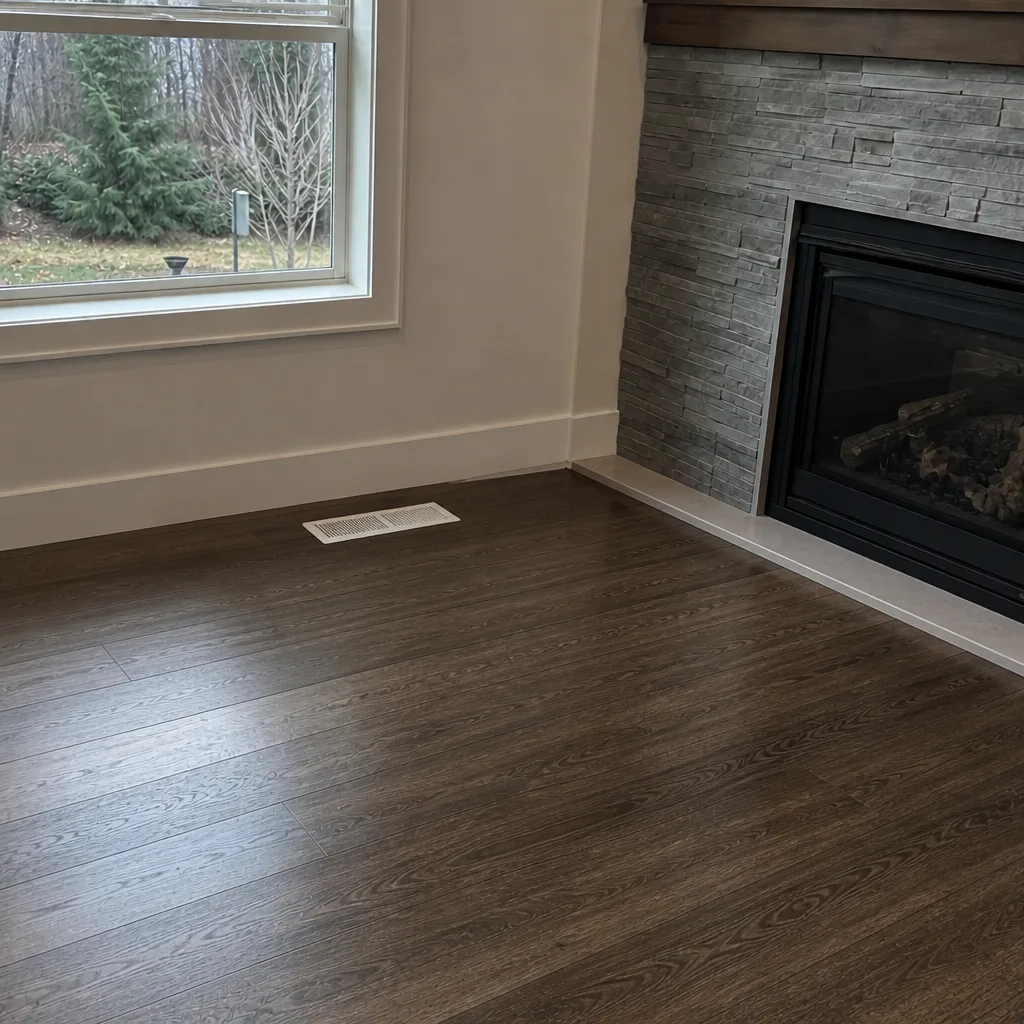
Whole-system duct and dryer vent check with before-and-after photos - you see exactly what came out of your vents
That "$99 whole-house special" is a bait ad - the real number appears once they are in your hallway, or the "clean" is a shop-vac at the register. We photograph the inside of your ducts before and after instead.
DIY vs Professional Air Duct Cleaning: The Bellevue Homeowner’s Decision Guide
Yes, you can clean your own ducts. You can reach the registers, vacuum what’s visible, swap the filter, and feel like you’ve done something. And you have. But here’s the part most guides skip: the parts you reached are a small slice of the system, and the debris that didn’t come loose is still sitting there, sometimes looser than before you started. That gap between “cleaned what I could see” and “cleaned the system” is what this guide is about. We’ll walk through what DIY actually accomplishes, what professional equipment reaches that a shop-vac can’t, and how to know which problem you’re actually solving in your Bellevue home.
Styles & brands we work with
- Whole-home duct cleaning
- Dryer vent cleaning
- Camera inspection
- Sanitizing & deodorizing
Quick Answer
DIY air duct cleaning handles surface debris at registers and filter changes, but it can’t reach the duct interior where most buildup settles. Professional cleaning uses negative-pressure containment and rotary contact brushes to clean the full system, which matters much more in Bellevue homes built before 1990 with older, sometimes leaky ductwork. If your visible registers are dusty and your filter is fresh, DIY maintenance between professional visits is a reasonable strategy. If you’re seeing debris blow out of vents, dealing with allergy symptoms indoors, or you’ve never had the system cleaned, professional assessment comes first.
Table of Contents
- What DIY Air Duct Cleaning Actually Accomplishes
- What Professional Equipment Reaches That DIY Can’t
- When DIY Is the Right First Step (And When It Isn’t)
- Why Bellevue Homes Built Before 1990 Need Assessment First
- How to Combine DIY Maintenance With Professional Service
- DIY Cost vs Professional Cost: An Honest Comparison
- How to Verify a Professional Actually Did the Work
- Common Mistakes to Avoid
- When to Call a Professional
- Frequently Asked Questions
- The Bottom Line
What DIY Air Duct Cleaning Actually Accomplishes
A reasonable DIY duct cleaning does three things well, and it’s worth being clear that all three have genuine value. The first is register cleaning. The grilles and diffusers where air enters each room collect dust fast, and wiping them down with a damp cloth or vacuuming with a brush attachment makes a visible difference in a room in about five minutes. The second is cleaning the reachable interior just inside the register boot, the short metal or flex section between the grille and the main trunk line. A flexible brush or a vacuum hose can get a foot or two in.
The third, and most important long-term, is the filter. Replacing a furnace or air handler filter on a proper schedule is the single highest-leverage thing a homeowner can do for indoor air quality without professional help. Filter replacement catches a large share of particulates before they ever enter the duct system, and staying on top of it slows the rate of duct buildup between cleanings.
What DIY does not do is clean the duct system itself. The trunk lines, the branch runs, the plenum, and the interior corners of the ductwork are where settled debris accumulates over years, and none of those areas are reachable with a consumer-grade tool. Even the section of duct immediately behind the register is only partially accessible because duct runs turn, narrow, or sit above ceilings where no homeowner tool can follow.
What Professional Equipment Reaches That DIY Can’t
The difference between a homeowner’s shop-vac and a professional duct cleaning setup is not power. It’s architecture. A commercial cleaning system combines two things a consumer vacuum cannot: a negative-pressure containment unit that keeps the whole duct system under constant suction during cleaning, and a rotary contact brush on a long flexible shaft that mechanically agitates debris off duct walls so it can be captured.
Rotobrush systems are built around this exact principle. The rotary brush spins against the inside of the duct, loosening stuck-on dust and debris while a HEPA-rated collection unit pulls it back through the system. Nikro equipment works similarly. Neither tool fits in a home toolbox, and neither is sold to consumers for a good reason: they require training to run without damaging flex duct, and their containment setup requires sealing registers and access points before cleaning starts.
Abatement Technologies equipment is what takes the process from “powerful vacuum” to “contained at the source.” These systems create negative air pressure inside the ductwork, meaning everything the brushes dislodge gets pulled toward the collection point rather than redistributed through the house. In our experience, this is the difference homeowners actually feel: no dust settling on furniture after a professional cleaning, and no dramatic increase in airborne particles during the work.
Because air duct cleaning done correctly also includes inspecting the duct interior, the technician catches problems a homeowner can’t see. Separated joints, crushed flex sections, and disconnected runs are common finds, especially in homes with older systems. We repair what others walk past for exactly this reason; a cleaning without inspection leaves compromised ductwork in place, and air leakage through a broken joint undoes part of the cleaning’s benefit within a season.
When DIY Is the Right First Step (And When It Isn’t)
DIY duct cleaning is a reasonable strategy in some scenarios. It is not a reasonable strategy in others, and the two cases have little to do with budget. The question is which problem you’re trying to solve.
DIY is a sensible first step if:
- You’ve recently moved into a Bellevue home and don’t know the prior owner’s maintenance history, but there are no obvious symptoms beyond dusty registers.
- You just want to remove surface dust from visible grilles before deciding whether to schedule professional service.
- Your filter is due for replacement and you’re unsure whether more work is needed.
- You’re preparing a home for sale and want to freshen the visible surfaces without committing to a full cleaning.
DIY is not the right first step if:
- You’re seeing visible debris blowing out of supply registers when the system runs.
- Household members with allergies or respiratory sensitivities are noticing indoor symptoms that improve when they leave the house.
- You’ve just finished a renovation, or a major remodel happened in the home within the past two years.
- You smell musty or stale air when the system first turns on in the morning.
- You’ve never had the system professionally cleaned and the home is more than a decade old.
In that second group, DIY doesn’t just fail to solve the problem. It can delay proper diagnosis while you spend hours on the parts of the system that weren’t the source. The half-hour spent vacuuming a register is not the half-hour that finds a disconnected flex run in the attic.
Why Bellevue Homes Built Before 1990 Need Assessment First
Air duct cleaning matters more in some homes than others, and in Bellevue the line tends to fall around 1990. Earlier construction includes a wide mix of galvanized sheet metal, early flex duct, and duct board, and by now most of those original systems have logged several decades of cool, wet Pacific Northwest winters. That combination matters in two ways.
The first is moisture. Western Washington’s damp air, combined with the temperature differential between a heated house and a cooler crawlspace or attic, puts older ductwork under real condensation pressure. Where duct wraps or insulation have degraded, moisture can collect at duct joints and lead to microbial growth that a homeowner can’t see and a shop-vac can’t remove. Duct cleaning done correctly addresses this; duct cleaning done carelessly can make it worse by dislodging growth that then gets pulled into living spaces. Professional assessment first tells you what you’re dealing with.
The second is duct condition. Older Bellevue homes often have ductwork with joints that have separated, seams sealed with old mastic that has cracked, or flex runs that have collapsed under insulation. Cleaning a system with compromised ductwork without repairing it produces a clean system that re-dirties itself within a couple of seasons, and no amount of DIY maintenance changes that. The right sequence in a pre-1990 Bellevue home is assessment, repair where needed, then cleaning. Professional equipment with negative-pressure containment and rotary agitation, of the type our technicians run, is designed to work within that sequence.
How to Combine DIY Maintenance With Professional Service
The best strategy for most Bellevue homeowners isn’t DIY or professional. It’s both, with clear boundaries. Professional cleaning handles the deep work on a multi-year cycle, and DIY maintenance extends that cycle by keeping the parts you can reach from feeding the system between cleanings. Here’s the routine we recommend to homeowners who ask.
- Replace your filter on the interval the furnace manufacturer specifies. Most furnace and air handler filters should be changed every one to three months depending on the filter’s thickness, household pets, and how often the system runs. Check the filter’s packaging or the furnace manual, not a general rule of thumb.
- Vacuum registers and grilles monthly during heating and cooling seasons. A brush attachment on a household vacuum does this well. The goal is to remove dust before it drifts back into the duct.
- Wipe the inside of register boots once or twice a year. Reach in with a damp cloth as far as you comfortably can. This is a small step that keeps surface debris from breaking loose into the airstream.
- Watch for symptoms between cleanings. Debris blowing out of vents, musty smells at start-up, or a visible increase in dust on horizontal surfaces are signs it’s time to schedule the next professional cleaning sooner than planned.
- Schedule professional cleaning on a realistic interval. Most Bellevue homes do well on a two-to-four-year cycle, though homes with pets, recent renovation, or family members with allergies may benefit from cleaning closer to the two-year end.
If you have a dryer vent cleaning on your maintenance radar, that’s worth scheduling alongside professional duct work. Dryer vents accumulate lint the same way ductwork accumulates dust, and lint buildup is a documented fire risk in any home with a dryer running several times a week. It’s a core part of what we do, not an add-on we push.
DIY Cost vs Professional Cost: An Honest Comparison
Comparing DIY and professional air duct cleaning on cost alone is misleading because they’re not solving the same problem. But the numbers are worth spelling out honestly, and any duct cleaning Bellevue provider worth hiring will quote whole-system pricing up front, not per-vent teaser pricing that balloons once the technician is on site.
DIY cost, roughly:
- Household vacuum with brush attachment: already owned
- Replacement filters over a year: $40 to $120 depending on filter type and change frequency
- Time: 2 to 4 hours of homeowner labor for register cleaning and filter work
Professional cost, typical Bellevue range:
- Whole-home duct cleaning, standard scope: roughly $350 to $700 depending on system size, number of runs, and access
- Duct cleaning with repair included (recommended when assessment finds separated or crushed runs): typically priced by written estimate
- Dryer vent cleaning when bundled with duct work: typically $100 to $200, or quoted in a combined estimate
Those ranges are typical, not fixed. The written estimate sets the final price, and a reputable provider will agree on one flat price for the whole system before work begins. If a quote arrives as a per-vent number, treat it as a red flag: it makes comparison shopping easy but almost never reflects the final invoice.
The real cost question isn’t “is DIY cheaper than professional?” It’s “which one solves the problem I have?” For register dust and filter upkeep, DIY solves it for almost nothing. For a system that hasn’t been professionally cleaned since before you owned the home, DIY cost savings disappear the moment you pay twice: once for the shop-vac and brushes, and again for the professional cleaning you’ll need anyway.
How to Verify a Professional Actually Did the Work
Most homeowners who’ve been burned by a cheap duct cleaning describe the same experience: a technician shows up with a shop-vac and a flashlight, spends an hour, and charges for a full clean. Diagnosis of what actually happened is difficult because the homeowner can’t see inside the ducts. Here’s what separates a legitimate cleaning from a cosmetic one.
- Look for the right equipment. A legitimate cleaning involves a truck-mounted or portable negative-pressure unit and a rotary contact brush system. If you see a shop-vac on the driveway, you’re not getting the equipment.
- Ask for before-and-after photos. The technician should photograph the duct interior at access points before and after cleaning. This is the only non-invasive way to verify the work was actually done.
- Ask about containment. A proper cleaning uses negative pressure inside the duct system so dislodged debris is captured, not stirred into the room. The Abatement Technologies equipment we run is built around that principle.
- Confirm a written estimate up front. One flat price per system, agreed before the technician starts. No per-vent pricing, no moving targets.
- Ask if the inspection includes repair assessment. A cleaning that leaves a broken duct joint in place is only partially complete. Professional providers should be willing to assess the system and quote repair separately if needed.
Common Mistakes to Avoid
- Running a household vacuum as a duct cleaning tool. Consumer vacuums aren’t sealed for ductwork and can aerosolize debris that should be captured. The result is a dustier home, not a cleaner one.
- Skipping assessment in an older Bellevue home. Pre-1990 homes often have ductwork with compromised joints or degraded insulation, and cleaning a broken system without repair leaves the problem in place. Assessment first, cleaning second.
- Judging a service on the lowest quote. Per-vent teaser pricing is a hallmark of bait-and-switch operations, and the final invoice rarely matches the ad. Ask for a whole-system estimate before work starts.
- Ignoring the filter schedule between professional cleanings. A dirty filter sends more particulate into the duct system, which accelerates buildup. Staying on a replacement schedule is the cheapest maintenance available.
- Cleaning ducts without cleaning the dryer vent. Dryer lint and duct debris come from the same maintenance habits. If one is overdue, so is the other, and dryer vents carry a fire risk.
- Skipping indoor air quality upgrades when they’re warranted. If you’re already having ducts cleaned and your filtration is minimal, a conversation about better filtration is worth having. Honeywell and Aprilaire make reputable in-line and whole-home systems, and a provider familiar with those brands can walk you through the tradeoffs.
- Trusting a cleaning without photos. If the provider can’t show you before-and-after images of your own ducts, you have no way to verify what was actually done inside the system.
When to Call a Professional
Call a professional when the problem is bigger than your registers. That means: visible debris blowing from supply vents, musty smells when the system runs, family members with allergies or respiratory sensitivities noticing indoor symptoms, a bathroom or kitchen remodel in the past two years, a home you’ve moved into without knowing the prior owner’s maintenance history, or any system more than a decade old that hasn’t been professionally cleaned. In any of those cases, the right first move is a proper assessment of the system, which is free from a reputable provider.
We offer free estimates here in Bellevue, and our technicians have up to 14 years of experience running Rotobrush and Nikro systems in homes across neighborhoods from Crossroads to Newport Hills and Somerset to Bridle Trails. We’re licensed and insured, we agree on one flat price per system before work begins, and we photograph the ducts before and after so you can see the work for yourself. Bellevue homeowners thinking about a cleaning should call for an honest assessment before they buy another shop-vac.
Frequently Asked Questions
Typical whole-home air duct cleaning in Bellevue runs $350 to $700 depending on system size and access, with repairs quoted separately. Call (833) 454-4523 for an estimate; estimates are free, and the written price is guaranteed before work begins.
Cheap quotes usually reflect a smaller scope than the customer thinks they’re buying, such as register cleaning only, or per-vent pricing that balloons once the technician is on site. Any legitimate provider should give one flat price for the whole system, in writing, before work starts. Call (833) 454-4523 for a written estimate that matches what will actually be billed.
Ask for before-and-after photos of your own duct interior at the access points. A legitimate cleaning also uses equipment you can verify: negative-pressure containment and a rotary brush system, not a shop-vac. Call (833) 454-4523 to schedule a cleaning with photo documentation.
Most Bellevue homes do well with professional cleaning every two to four years, though homes with pets, recent renovation, or family members with allergies may benefit from closer to every two years. Between visits, filter replacement and register wiping extend the interval. Call (833) 454-4523 for a recommendation based on your specific system.
It can, particularly in older ductwork. A household vacuum used aggressively inside a register boot can pull flex duct off its fitting or tear insulation. In a pre-1990 Bellevue home, the safer first move is having the system assessed before you try to clean anything inside it. Call (833) 454-4523 if you’re unsure whether your visible debris is worth a closer look.
Short dryer vents on ground-floor walls can sometimes be cleaned with a dryer vent brush kit, but most Bellevue homes have longer runs through the wall or roof that are difficult to access safely. Given that lint buildup is a leading cause of residential dryer fires, professional cleaning is worth the cost when the run is long or you haven’t had it cleaned in over a year. Call (833) 454-4523 to schedule dryer vent cleaning.
The Bottom Line
DIY air duct cleaning is a real activity with real value, but only for the parts of the system a homeowner can actually reach. Register cleaning and filter replacement are worth doing, and doing them consistently extends the interval between professional cleanings. What they don’t do is clean the duct interior, which is where the majority of settled debris lives and where older Bellevue homes are most likely to have related issues like separated joints or degraded insulation. When the problem is inside the system, professional assessment comes first, with cleaning and repair as warranted. When the problem is at the registers, DIY is a smart first step. Call (833) 454-4523 for a free estimate. We answer 24/7. Fast dispatch from 7am to 7pm, Sunday through Friday.
Written by the team at Duct Cleaning Bellevue.
See the difference
 Before
 After
 Before
 After
 Before
 After