
Last updated November 15, 2026
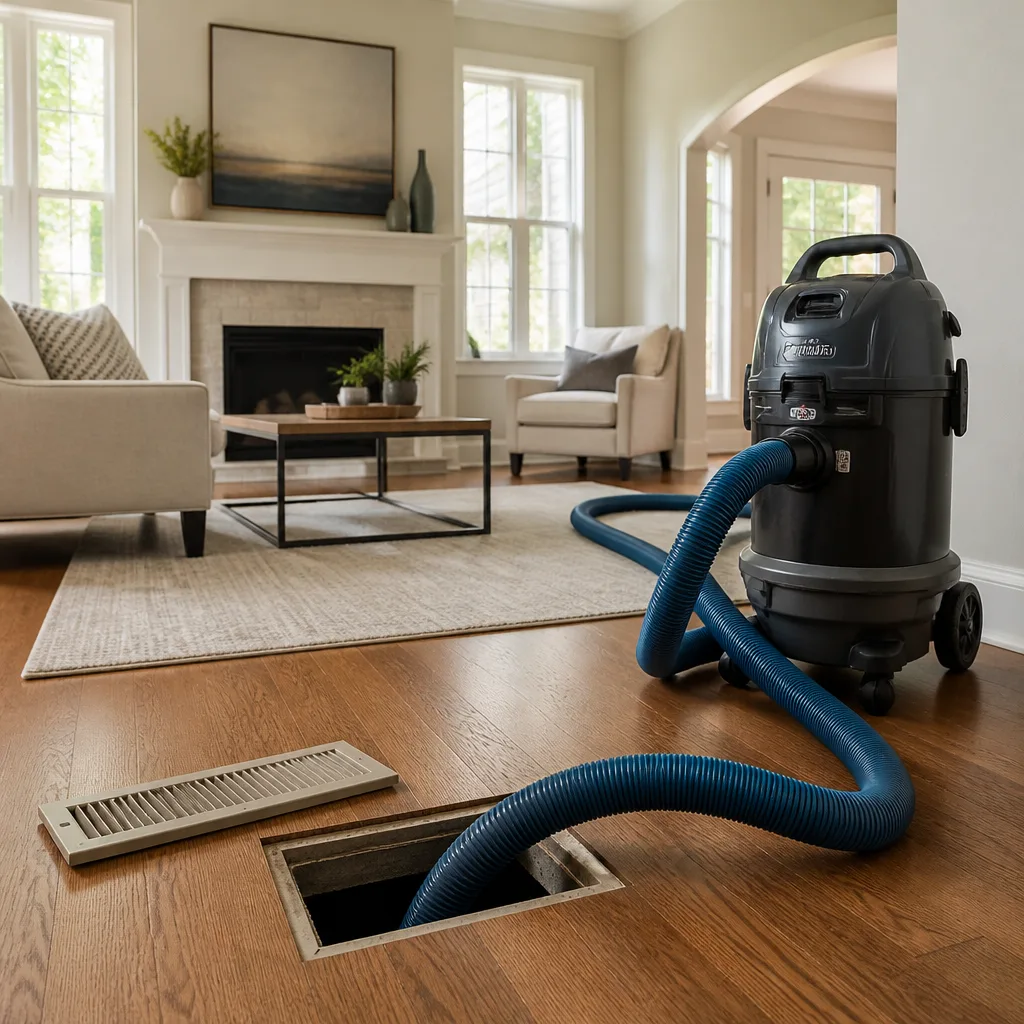 Whole-home duct cleaning
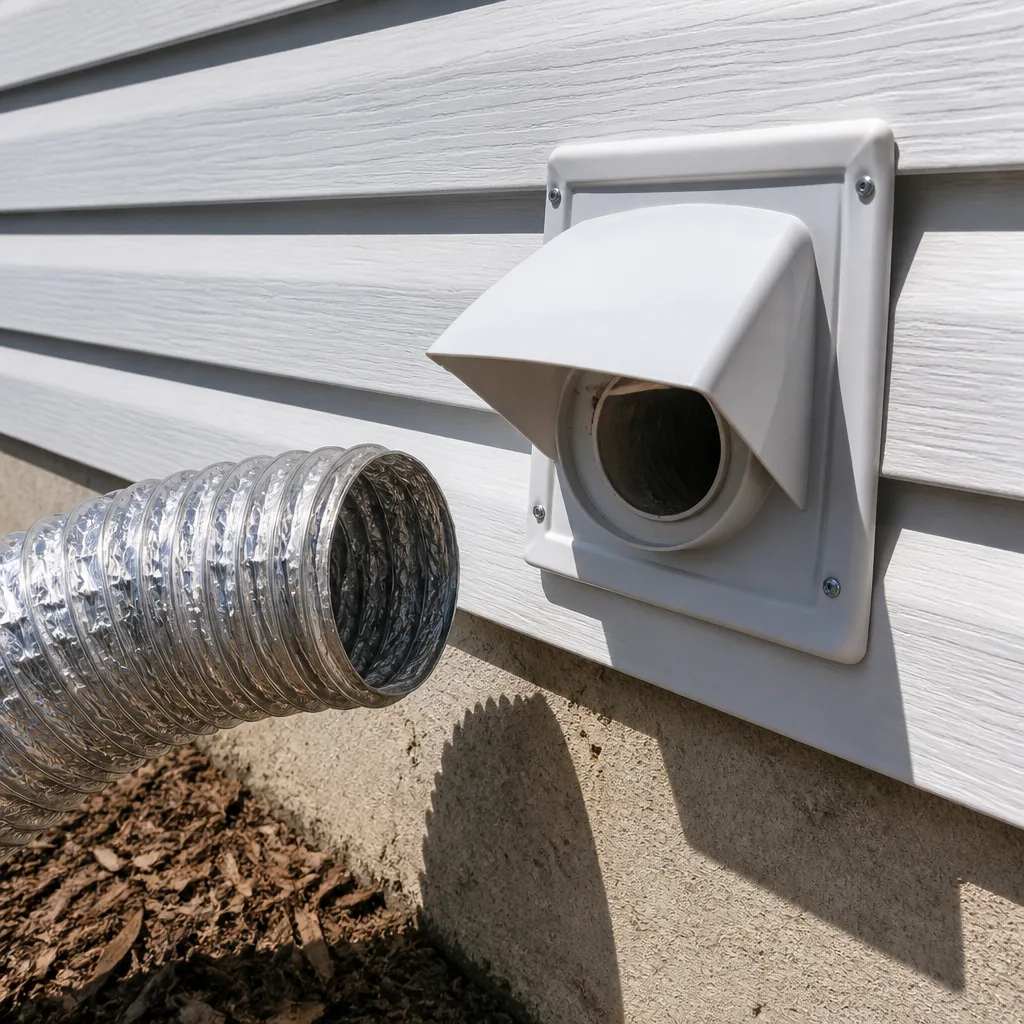 Dryer vent cleaning
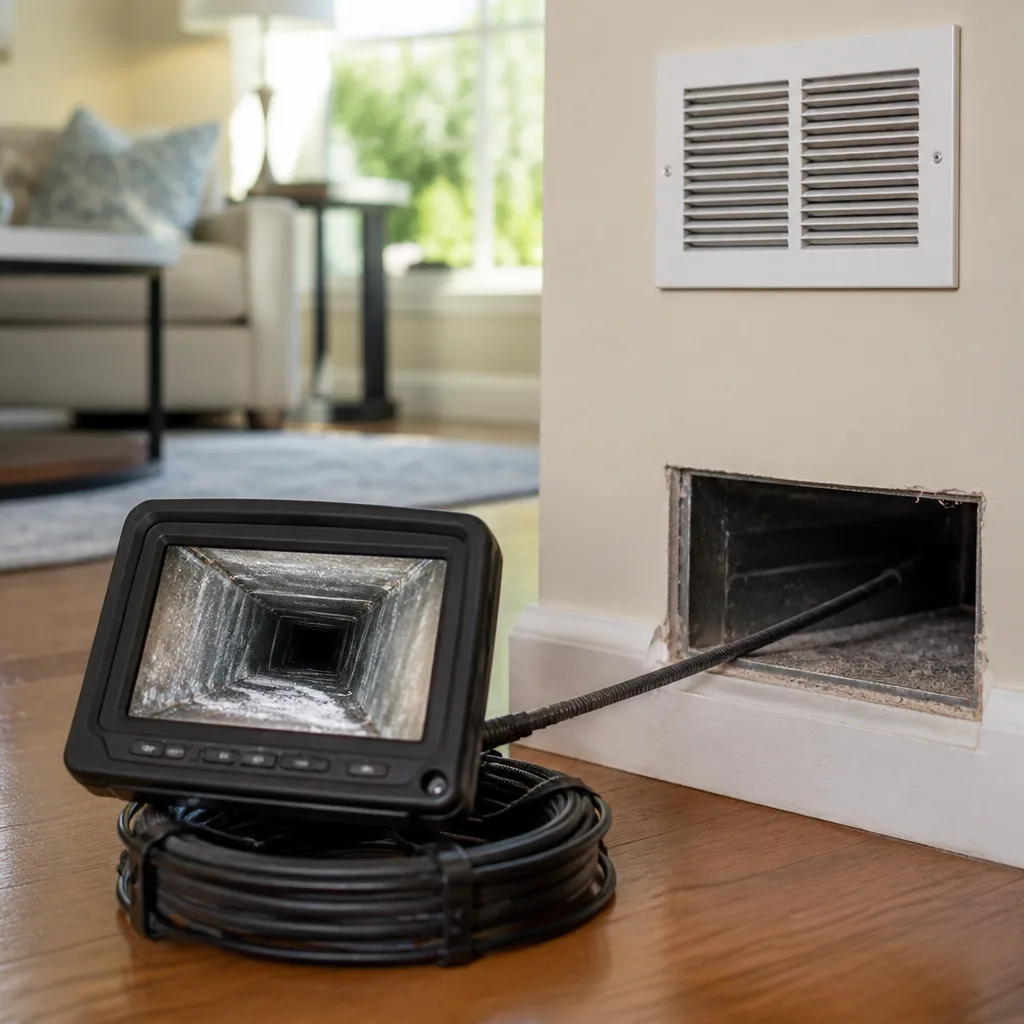 Camera inspection
 Sanitizing & deodorizing
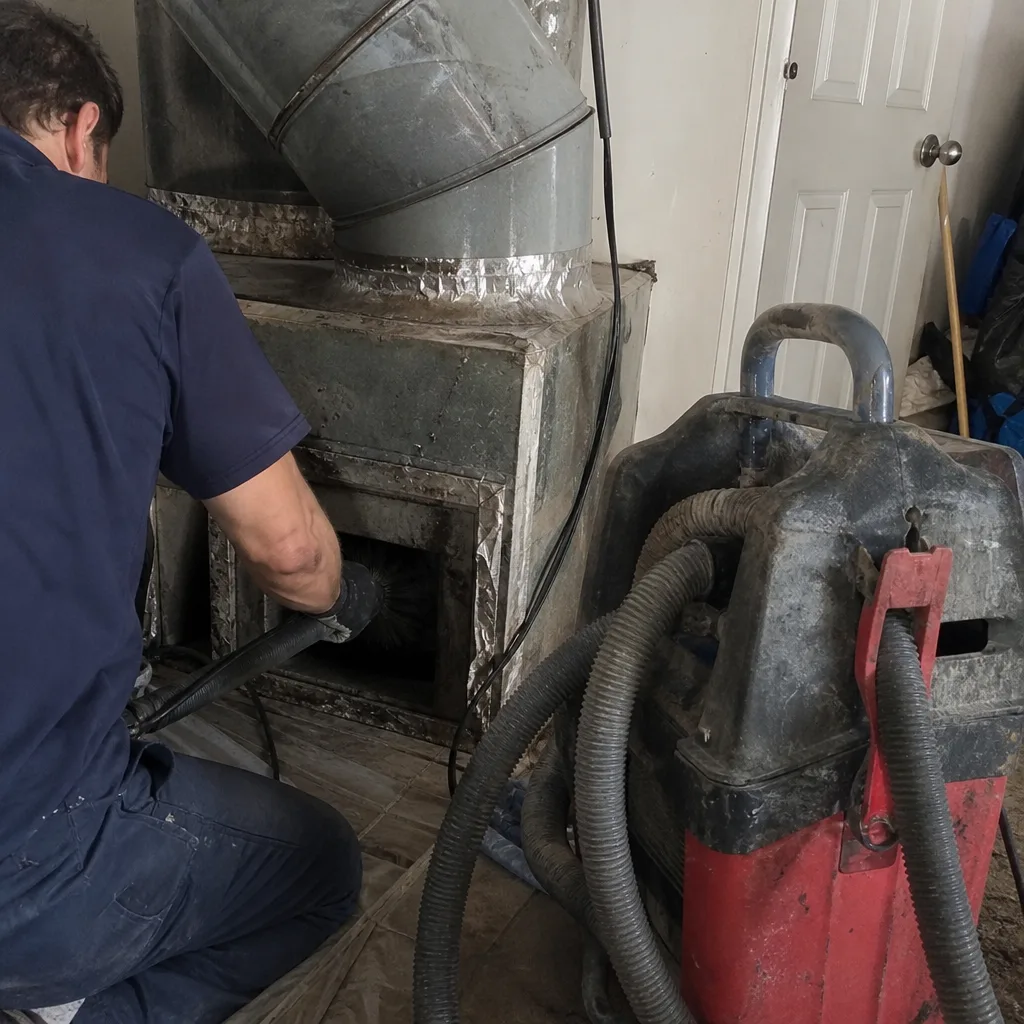
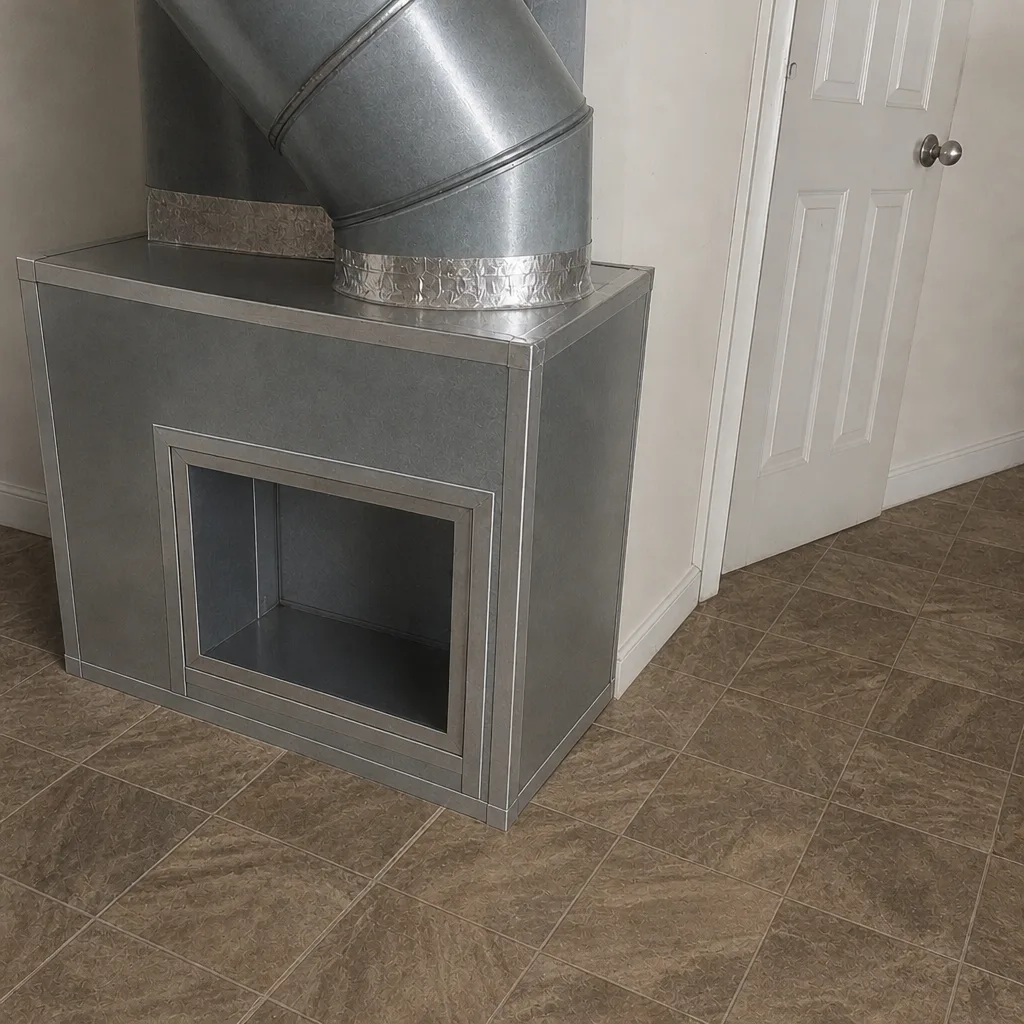
Whole-system duct and dryer vent check with before-and-after photos - you see exactly what came out of your vents
That "$99 whole-house special" is a bait ad - the real number appears once they are in your hallway, or the "clean" is a shop-vac at the register. We photograph the inside of your ducts before and after instead.
Air Duct Cleaning Maintenance Checklist for Bellevue Homeowners
If your ducts need cleaning every single year, something upstream is wrong. In a well-run system, professional cleaning lands every 3 to 5 years, and the gap between visits is where the real work happens. Most homeowners treat duct cleaning as a reset button: pay for the service, forget the ducts, repeat when the dust comes back. That routine leaves the actual causes untouched. This checklist flips the order. It’s a monitoring system built around Bellevue homes and Bellevue air, covering what you can check yourself, what needs professional equipment, and what to write down after every visit so the next one has a baseline to measure against. Read it once, then keep it somewhere you’ll actually find it.
Quick Answer
A duct maintenance checklist for a Bellevue home has three tiers: monthly tasks you can do yourself (filter checks, register inspections), seasonal tasks tied to pollen and heating season, and annual professional work that requires rotary brush and HEPA equipment. Log the date, filter type, and any visible changes after each professional cleaning. Doing all three tiers is what stretches a cleaning interval to 3 to 5 years instead of 12 months.
Styles & brands we work with
- Whole-home duct cleaning
- Dryer vent cleaning
- Camera inspection
- Sanitizing & deodorizing
Table of Contents
- Why Maintenance Beats Reactive Cleaning
- Monthly Checks You Can Do Yourself
- Seasonal Tasks for Bellevue’s Climate
- Annual Professional Inspection
- Filter Types and Replacement Intervals for Bellevue
- How to Visually Inspect Ducts and Registers
- Reading Your HVAC System for Duct Clues
- What to Log After Each Professional Cleaning
Why Maintenance Beats Reactive Cleaning
Ducts don’t get dirty at a fixed rate. They get dirty at the rate your home feeds them dirt, and that rate depends on filtration, sealing, humidity, and how often the system runs. A tight system with a well-fitted filter in a Bridle Trails home can go years between cleanings. A leaky return in a basement of a West Bellevue house pulls in soil, insulation fibers, and pollen-laden air from crawl spaces and attic cavities, and those ducts can look dirty within a single heating season. Same city, same climate, very different maintenance math.
The point of a checklist is to catch the conditions that accelerate soiling before they compound. Three things typically drive the acceleration:
- Filter bypass. Air sneaks around a filter that fits poorly or sits in a slot with gaps. Dirt that should be caught goes straight into the ducts and the blower.
- Duct leakage. Loose joints, disconnected flex runs, and unsealed plenums pull air from unconditioned spaces. That air is dirtier than your living room air, and it bypasses the filter entirely.
- Moisture. Bellevue’s wet fall and winter push indoor humidity up. Damp dust sticks to duct walls, and once it sticks, the airflow can’t carry it away.
You can’t see most of this from the hallway. But you can see the early signals, and you can track them. That’s the whole idea behind a maintenance checklist: create a record of what “normal” looks like in your home so a change stands out. If you want the deep-dive on the professional side of the work itself, the air duct cleaning page covers equipment and process in detail. This guide covers what happens in the months between visits.
Monthly Checks You Can Do Yourself
These tasks take 10 to 15 minutes total and require nothing more than a flashlight and a glance. Do them on a consistent day so it becomes habit, not a project.
- Inspect the filter. Pull it, hold it up to a light source. If you can’t see light passing through the pleats at a consistent brightness, replace it. Don’t wait for the calendar if the filter looks loaded.
- Check the filter fit. Look for gaps around the edges. Air should pass through the filter, not around it. A quarter-inch gap will feed more dirt into the system than the filter catches. If the slot is oversized, a cheap fix is weatherstripping foam tape along the frame.
- Look at each supply register. Dust streaks radiating from the grille are normal. Dark soot-like smudges or black staining around a register mean air is escaping at pressure and depositing dirt on the ceiling or wall. That’s a sealing issue, not a cleaning issue.
- Wipe test one register. Run a white paper towel along the inside of one supply register each month. Note the color and texture. Faint gray dust is fine. Sticky dark film means moisture is present somewhere in the system.
- Listen at the air handler. Whistling, rattling, or a change in pitch when the system starts can mean a loose panel or a partially blocked duct. Noise changes are early warnings.
- Sniff the return air. A musty smell at a return grille is the strongest single signal of moisture or microbial growth in a duct. Don’t ignore it until the next professional visit.
Any one of these checks takes under a minute. The value comes from doing them repeatedly, so you notice when the paper towel comes back darker than last month or when the register starts whistling. A homeowner in Bellevue who does these six checks will spot a duct problem months before it turns into a costly repair.
Seasonal Tasks for Bellevue’s Climate
Bellevue sits in a wet, mild climate with a real pollen season and a real heating season, and the duct load shifts with both. Seasonal tasks align the maintenance to what the system is actually doing.
Fall: Before Heating Season
- Swap to a fresh filter before the first sustained cold snap. A load of summer dust plus a heating-season start-up is a bad combination.
- Walk the accessible duct runs in the attic or crawl space. Look for sagging flex duct, disconnected sections, or ductwork touching wet insulation.
- Confirm the condensate line (if you have cooling) is clear before you stop using the AC. Trapped water in summer can feed mold into the supply plenum.
- Inspect the dryer vent exterior flapper. Wet fall weather makes lint stick to the outside of the vent hood, and that’s a fire-prevention issue. dryer vent cleaning should be on the fall list for any Bellevue home with a long vent run.
Winter: During Heating Season
- Check the filter every 30 days instead of 60. Heating season moves more air through the system, and a loaded filter drives static pressure up.
- Watch for condensation on cold ducts in unconditioned spaces. Bellevue’s damp winter makes sweating ducts a real possibility, and wet ducts grow things.
- Keep the humidity inside the 35 to 50 percent range. A cheap indoor humidity gauge does more for duct health than most homeowners realize.
Spring: Pollen and Cooling Start-Up
- Expect a filter load spike during the March to May pollen window. Bellevue’s tree pollen from alder, birch, and cedar lands in volume, and the return air picks it up.
- Clean exterior intake screens and register grilles. Debris trapped at the grille restricts airflow and increases duct pressure.
- Before the first stretch of warm weather, look at the evaporator coil cabinet (if you can safely reach it) for standing water or visible biological growth. Never open the coil cabinet itself; that’s a job for a trained technician.
Summer: Low-Load Season
- Do your visual duct inspections now. The system runs less, and access to attic spaces in Bellevue is easier when it’s dry.
- Check the dryer vent again. Summer heat and a loaded vent line are a documented fire combination.
- Run the system on fan-only for an hour on a dry day to help move moisture out of the ducts.
Annual Professional Inspection
Once a year, have the system inspected by someone with the equipment to actually see inside it. A flashlight pointed at a register is not an inspection. A proper annual inspection covers:
- Accessible supply and return runs, including the plenum and any transitions.
- Duct sealing and joint integrity.
- Condensate management and drain pan condition.
- Blower wheel condition (accessible blower wheels load up with dust even when the ducts look clean).
- Presence of moisture, biological growth, or pest evidence in the system.
The annual inspection is also where the repair side of the work gets caught. Loose joints, torn flex duct, or crushed runs under a floor are the kind of thing a cleaning crew without repair capability will clean around and leave in place. Duct repair and cleaning belong together, because cleaning a broken system and calling it done leaves the root cause untouched. In our experience, that’s one of the most common reasons a home needs a repeat cleaning within 12 months. If a Bellevue home needs a full cleaning, the team at Duct Cleaning Bellevue handles it with rotary brush agitation and HEPA-rated extraction rather than a shop-vac and a wand, and they’ll flag repair needs during the visit.
Our technicians have up to 14 years of experience working with duct systems, and part of that experience is knowing the difference between a duct system that needs cleaning and a duct system that needs sealing or repair before cleaning will actually help.
Filter Types and Replacement Intervals for Bellevue
Filter choice is the highest-leverage decision a Bellevue homeowner makes for duct health. Filter type determines what actually gets captured, and the wrong filter can either starve the system or let everything through.
Here’s the practical breakdown. MERV 8 filters are the standard for most residential systems. They catch the bulk of what loads a duct system (dust, pollen, mold spores) without overpressuring the blower. If your system was designed around a basic fiberglass filter, moving up to MERV 13 without checking blower capacity is a mistake, because a restrictive filter can starve airflow and drive static pressure up. Static pressure in a residential duct system is the number you can’t see but you can feel, as reduced airflow and a longer runtime.
Filter change intervals for Bellevue homes depend on three things:
- Season. Every 30 days during the heating season and during the pollen window. Every 60 to 90 days in low-load periods.
- Home occupants. Pets, allergy-sensitive family members, or smokers measurably shorten the interval.
- Home environment. Homes on a wooded lot or near a busy arterial load filters faster than homes surrounded by more settled landscaping.
Bellevue’s pollen load is one of the specific reasons a generic “change it every three months” rule doesn’t fit every home here. The March to May window is heavy, and if the filter is loaded going into spring, it stops doing its job right when the airborne load peaks. Filter brands like Bellevue‘s worth talking to a professional about include Honeywell and Aprilaire systems, especially if the home runs an electronic air cleaner or a media cabinet filter rather than a 1-inch slot. Those systems have different maintenance schedules, and the filter media has to match the housing or it won’t seat properly.
How to Visually Inspect Ducts and Registers
You can inspect a surprising amount of the duct system without equipment, if you know what to look for and stop at the point where the work becomes dangerous or technically beyond a homeowner’s safe reach. Do not remove panels from the air handler, do not open the evaporator coil cabinet, and do not reach into ducting beyond a register. Those are jobs for a trained technician. What you can safely do:
- Remove a supply register grille. Most are held by two screws. Shine a flashlight into the visible duct run and photograph what you see. Take the photo from a consistent spot each time so you can compare.
- Check the register boot. The short metal transition from the duct to the grille often collects dust where the boot meets the drywall. If you see dark staining there, the boot is probably not sealed.
- Do the flashlight-and-mirror check. For registers set high on a wall or in a ceiling, a small mirror on a stick lets you see the inside of the boot without reaching.
- Inspect accessible duct runs in the attic or crawl space. With the system off and a flashlight, look for crushed flex duct, disconnected sections, torn outer jackets, or duct sections that are visibly wet.
- Check the return grille. Returns are the dirtiest part of most systems because that’s where the majority of the air mass enters. A return grille that looks heavily coated within a month of cleaning means the system is pulling in more than expected.
- Photograph and date everything. Same angle, same lighting, same distance. This is the single most useful maintenance habit a homeowner can build.
What you’re looking for, specifically: dark fuzzy growth (moisture and biology), long streaks of gray dust (dust accumulation), any debris that looks like construction material (leftover from a remodel), and any boot that’s disconnected from the duct or the wall. Anything on that list is worth a professional look, not a DIY fix. A proper inspection with containment equipment, like an Abatement Technologies setup that maintains negative air pressure during the visit, keeps what’s dislodged from spreading into the living space.
Reading Your HVAC System for Duct Clues
Your HVAC system is telling you what state the ducts are in, if you track two numbers: runtime and temperature differential. Both are easy to observe and both move in predictable ways when ducts are compromised.
Runtime. Log how long the system runs to satisfy a normal heating or cooling call. If runtime is drifting up over weeks or months without a matching weather change, the system is working harder to move the same air, and restricted or leaking ducts are a common cause. A system that used to run 15 minutes and now runs 25 for the same indoor setpoint is a system with a problem.
Temperature differential. The difference between the return air temperature and the supply air temperature. You can measure it with an inexpensive infrared thermometer at a return grille and a nearby supply grille, taking care not to touch any electrical components or reach into ducting. A healthy system maintains a consistent differential. When the differential drops, air is leaking out of the ducts before it reaches the room, or the duct system is too restricted to deliver air at the right temperature. When the differential spikes, airflow is restricted, and the system is likely short-cycling.
Other metrics to track:
- Time to reach setpoint after a call. A duct system with leakage at a supply plenum will not deliver the full air mass the blower is moving.
- Room-to-room temperature spread. Rooms that run hotter or colder than the rest of the house often sit at the end of a compromised duct run.
- Audible whistle or rattle at high demand. Static pressure that increases at high demand points to a restriction, typically a loaded filter, a collapsed flex run, or a partially closed damper.
None of these numbers replace a professional inspection, but they tell you when to schedule one. A Bellevue homeowner who tracks runtime and differential will call for a duct inspection at the right moment instead of guessing.
What to Log After Each Professional Cleaning
The most valuable thing a homeowner can do after a professional duct cleaning is write down what happened. Without a baseline, every future cleaning is a fresh start with no comparison. With a baseline, you can tell within a few months whether the system is holding or drifting back toward its old condition.
Log these fields after every cleaning:
- Date of service. Simple, but the anchor for everything else.
- Scope of work. Which runs were cleaned, whether the plenum and blower were included, whether any repair was performed.
- Equipment used. Rotary brush and HEPA extraction, containment setup, or something else. Knowing what equipment was used tells you what to expect at the next visit.
- Filter type and size. Exact MERV rating and dimensions. Filter housing size, if it’s a media cabinet rather than a slot.
- Photographs before and after. Ask for copies. A reputable cleaning company should be able to show the state of the system before and after the work. The photo log becomes your reference point.
- Any duct repair performed. Note the location and the type of repair.
- Any findings flagged but not addressed. Moisture, minor leakage, aging flex duct. Those notes drive the timing of the next visit.
After the cleaning, check back on the log at the three-month mark. Did filter loading come back faster than expected? Has the paper towel test at the register gone dark sooner than it did the first month after the cleaning? If so, the cause is upstream of the ducts (leakage, filtration, moisture), and fixing it is the difference between a 3 to 5 year interval and a 12 month one. The team behind Duct Cleaning Bellevue can include those findings in the written record for a Bellevue home, which makes tracking far easier than starting cold each time.
Common Mistakes to Avoid
- Replacing the filter on a calendar, not on condition. The filter that looks fine in January may be loaded by April, when Bellevue’s pollen load peaks. Look at the filter, not just the date on the box.
- Assuming a bigger MERV rating is always better. A MERV 13 filter in a system designed around MERV 8 starves airflow and drives static pressure up. Match the filter to the system, or check with a professional first.
- Cleaning ducts without checking for leakage. A leaky duct system gets dirty again fast because the same air that bypasses the filter is dumping into the ducts. Clean, then seal.
- Ignoring the dryer vent because it’s not a duct. A loaded dryer vent is a fire risk, not just an airflow annoyance. It belongs on every maintenance list, not just a cleaning up-sell.
- Skipping the photo record. Without photographs, you have no way to prove the work was actually done or to compare one cleaning to the next. Ask for before-and-after photos of your own ducts, taken by the crew.
- Treating a musty smell as a non-issue. Bellevue’s wet winters make duct moisture a legitimate concern. A musty return grille is not moving air; it’s moving a problem.
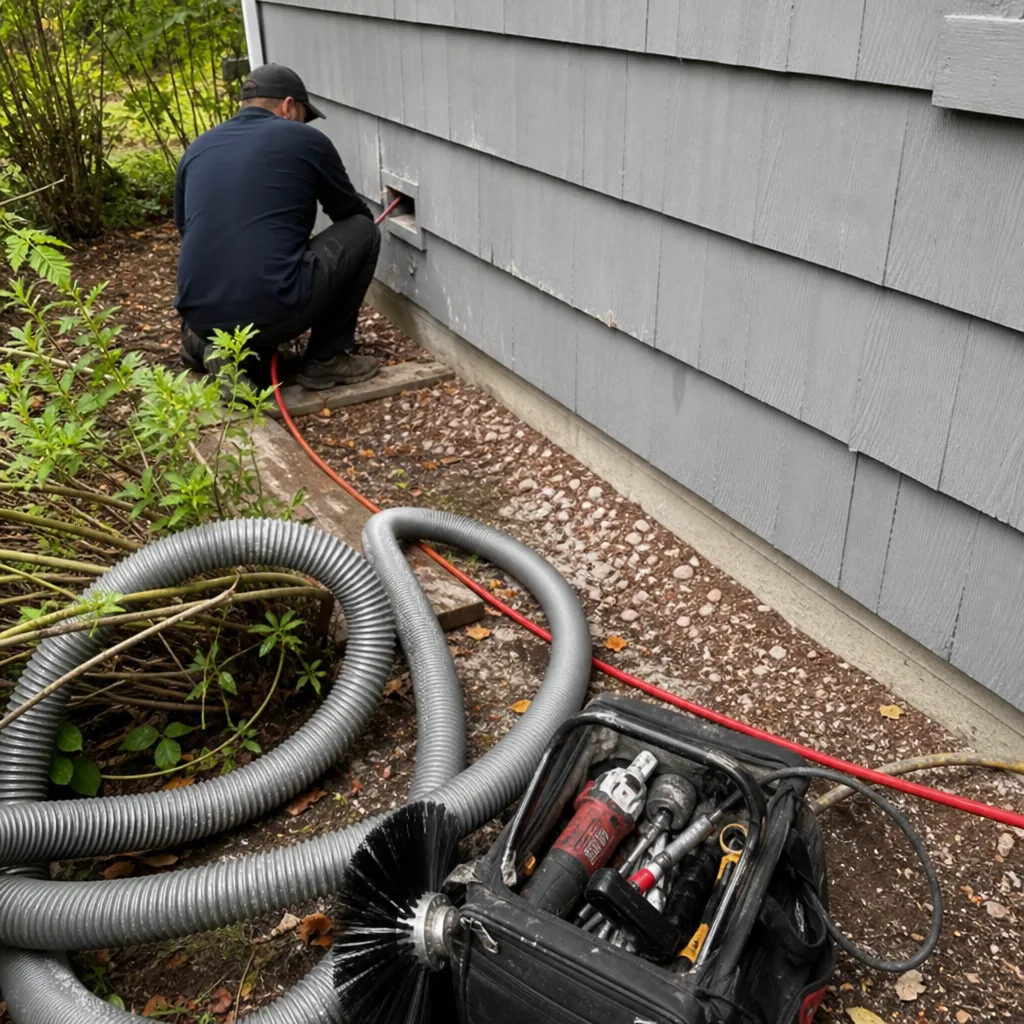
- Assuming every vendor uses the same equipment. A shop-vac and a wand is not duct cleaning. Ask what equipment is being used. Rotary brush agitation, HEPA vacuum capture, and containment (Abatement Technologies or similar) are the marks of a professional setup, not a teaser coupon and a promise.
See the difference
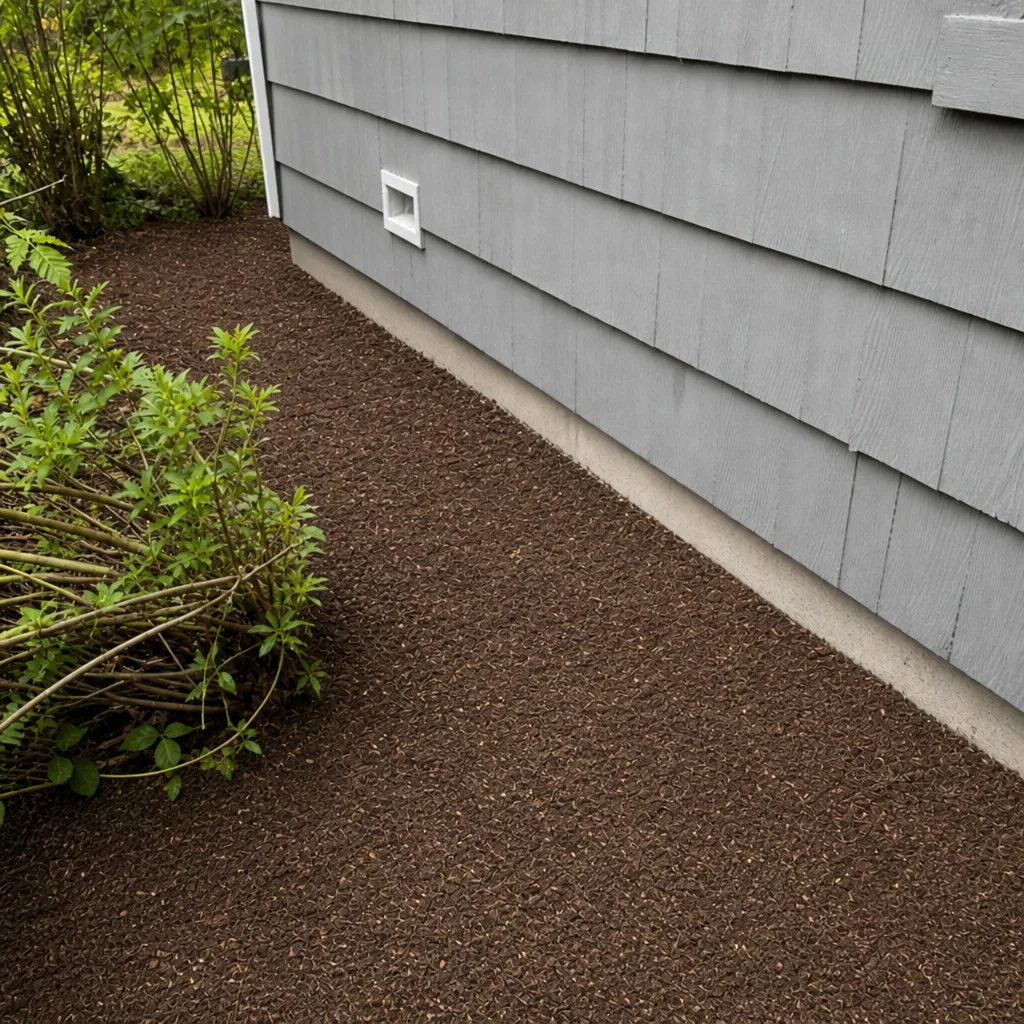
 Before
 After
 Before
 After
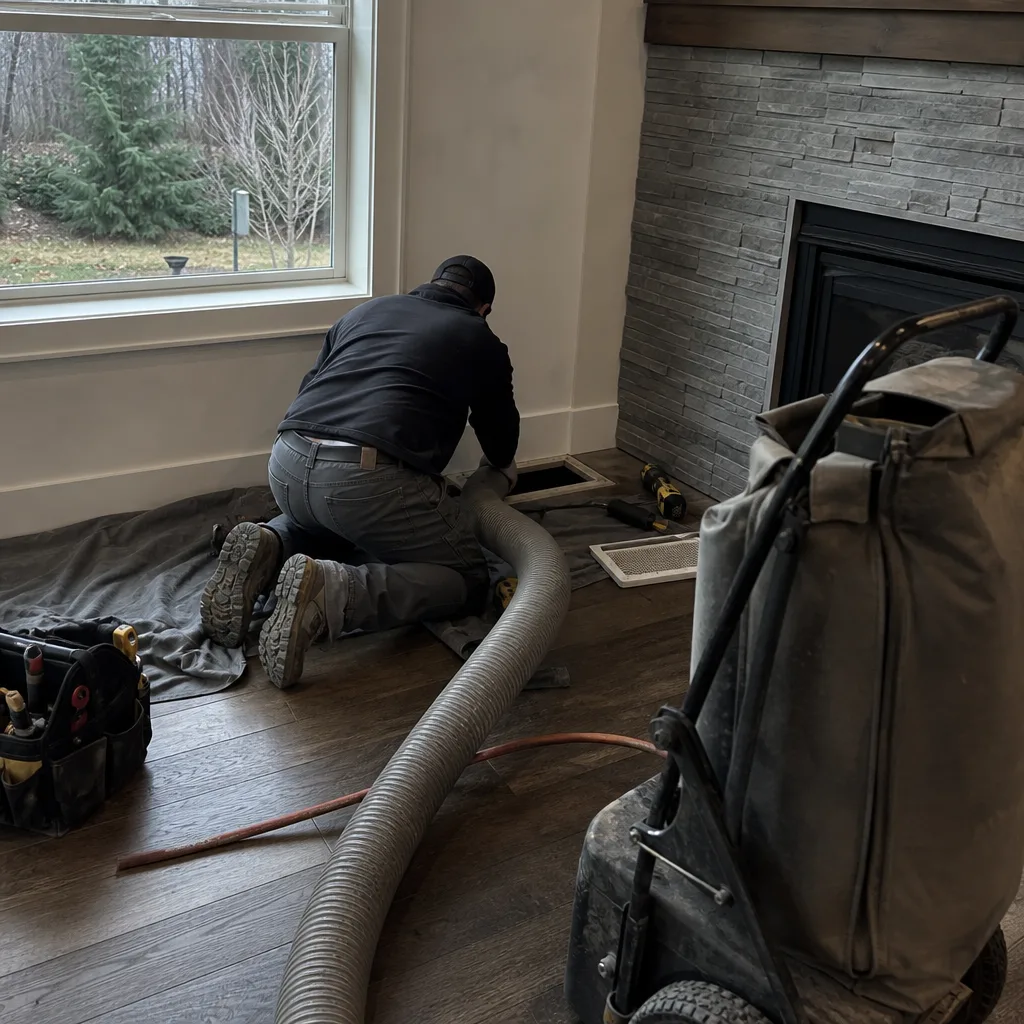 Before
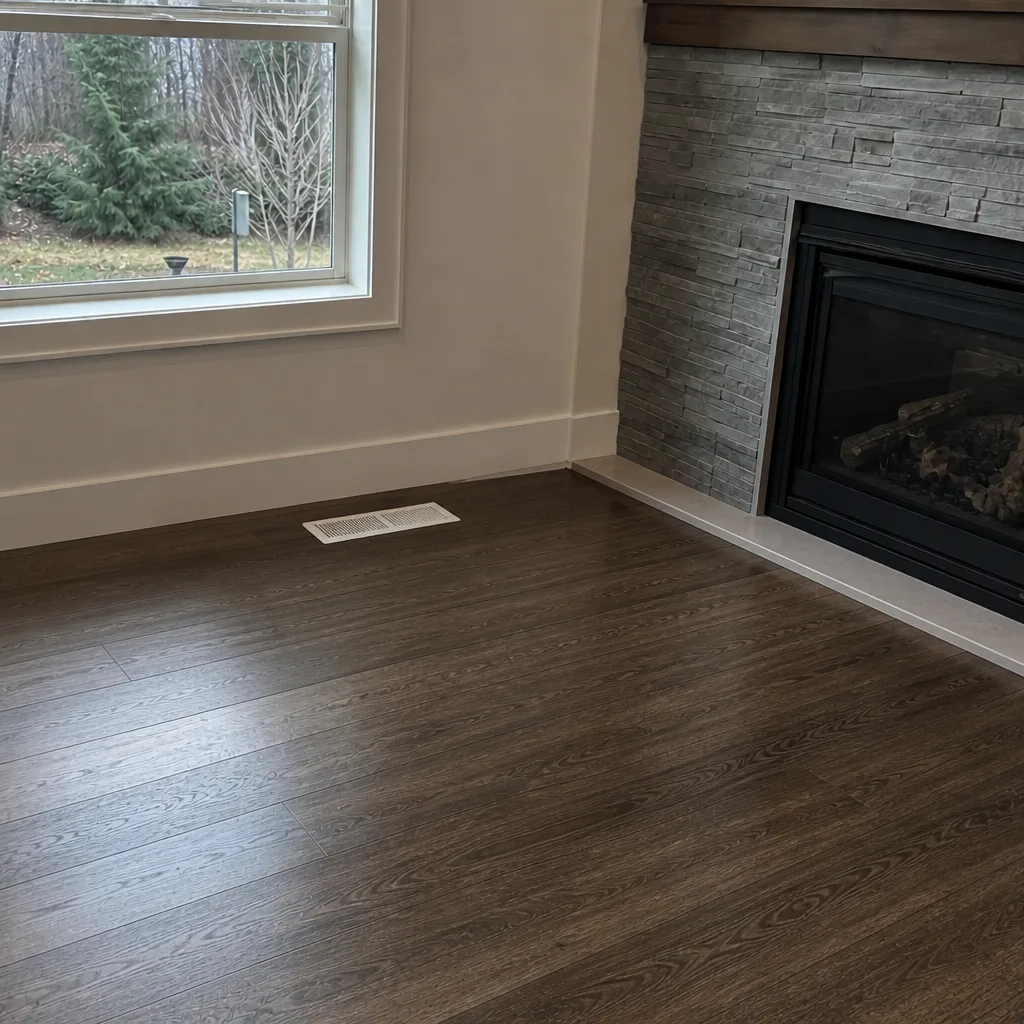 After
When to Call a Professional
Some conditions put a duct system past the checklist stage and into a professional call. Call for help if you see visible biological growth in a duct or on a register boot, if the paper-towel test goes dark within a few weeks of cleaning, if you’re finding debris that looks like construction material in the register boots, or if your HVAC runtime and temperature differential are moving in a way you can’t explain. Call if a return grille develops a musty smell, if you’ve had a remodel in the last year, or if it’s been more than 5 years since the last cleaning and you don’t have a log. Duct Cleaning Bellevue offers free estimates in Bellevue. Call (833) 454-4523. We answer 24/7. Fast dispatch from 7am to 7pm, Sunday through Friday.
Frequently Asked Questions
Most Bellevue homes need professional duct cleaning every 3 to 5 years, not every year. A yearly interval is the strongest signal that something upstream is wrong: filter bypass, duct leakage, moisture, or a loaded system that’s not being sealed. If a home is on a 12-month schedule, the checklist in this guide is what finds the cause. Call (833) 454-4523 for an exact quote. Estimates are free.
The filter fit. Pull the filter and look for gaps around the edges, because a filter that lets air bypass is the most common cause of fast duct soiling. After the filter, check the inside of one supply register with a white paper towel. Both checks take under two minutes and tell you more than a visual scan of the house. Call (833) 454-4523 for a free estimate if either check raises a flag.
Cheap quotes usually mean cheap equipment: a shop-vac, a wand, and no containment, which dislodges debris without capturing it. A proper job uses rotary brush agitation with HEPA-rated vacuum capture (Nikro systems are one example) and containment to hold negative air pressure during the visit. Equipment is the reason the price differs, and it’s also the reason the job either works or doesn’t. Ask what equipment is being used before you book. Call (833) 454-4523 for a straight answer on scope and price.
Ask for before-and-after photos of your own ducts, taken during the visit. A company using professional equipment can show you what was in the ducts before the cleaning and what came out. That photo record is also your baseline for future comparison. If a vendor can’t produce photos of your system, that’s worth considering before you hire them. Call (833) 454-4523 for a free estimate and ask about the photo record up front.
Yes, in two specific ways. Bellevue’s wet fall and winter raise indoor humidity, so dust sticks to duct walls more readily. And the spring pollen load from local trees dumps a heavy volume of particulate into the return air, which loads filters fast. Homes in wooded areas and near busy arterials feel both effects more. Neither changes the 3 to 5 year baseline, but both make the monthly filter check more important. Call (833) 454-4523 for an exact quote.
No, not effectively, and not safely at scale. A shop-vac can’t reach the length of a residential duct run and doesn’t have the containment to capture what it dislodges, so it redistributes dust into the living space. Mechanical agitation (rotary brush) plus HEPA capture plus containment is what a proper cleaning requires. The homeowner-friendly part of duct maintenance is the checklist, not the cleaning. Call (833) 454-4523 for a free estimate on a professional cleaning.
The Bottom Line
A duct cleaning checklist isn’t about scheduling more cleanings. It’s a monitoring system for the conditions that make ducts dirty in the first place. If you do the monthly filter check, run the seasonal tasks tied to Bellevue’s pollen and wet winters, watch your HVAC runtime and temperature differential, and log the results after each professional cleaning, you’ll extend your cleaning interval to the 3 to 5 year range and spot problems before they become repairs. The homeowner tasks take minutes. The professional work, cleaning with proper equipment and repair where the system needs it, is a phone call away. Call (833) 454-4523. We answer 24/7. Fast dispatch from 7am to 7pm, Sunday through Friday. Estimates are free.
Written by the team at Duct Cleaning Bellevue.