
Last updated November 15, 2026
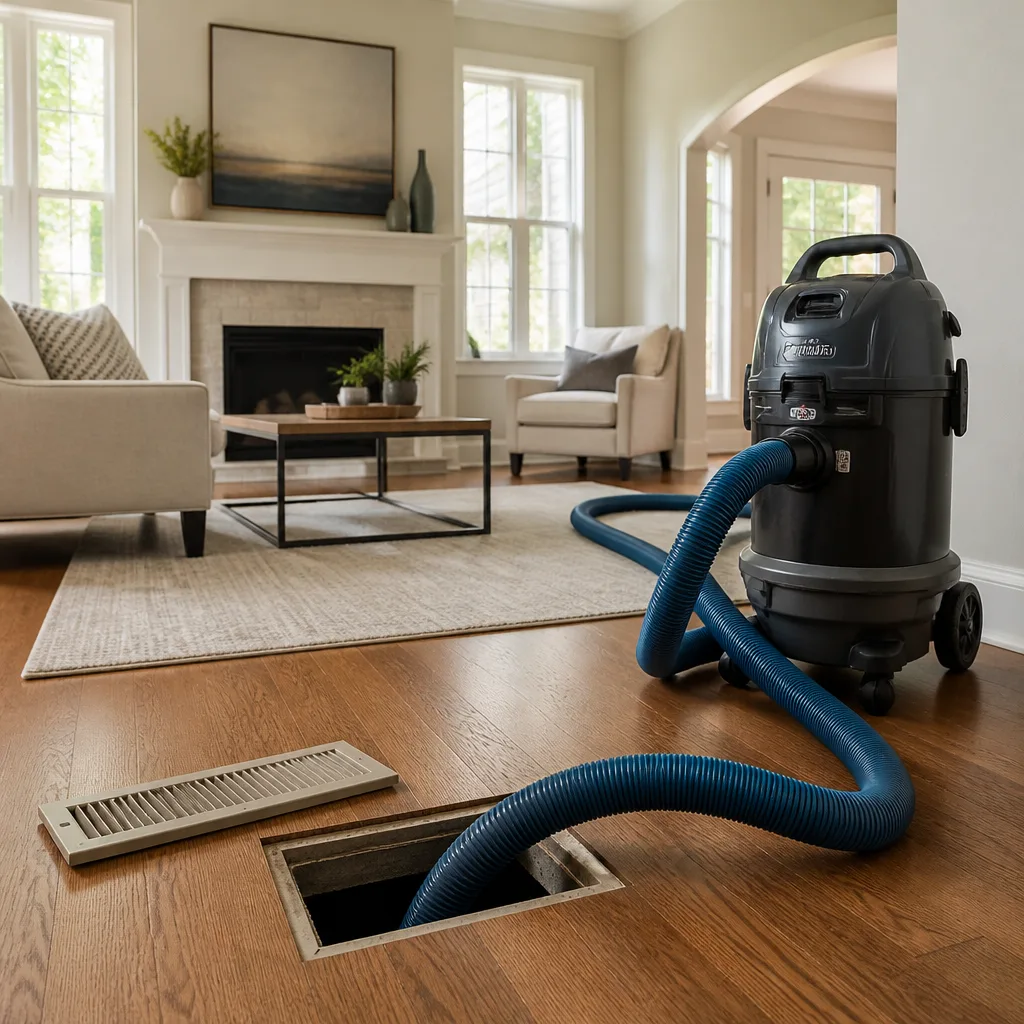 Whole-home duct cleaning
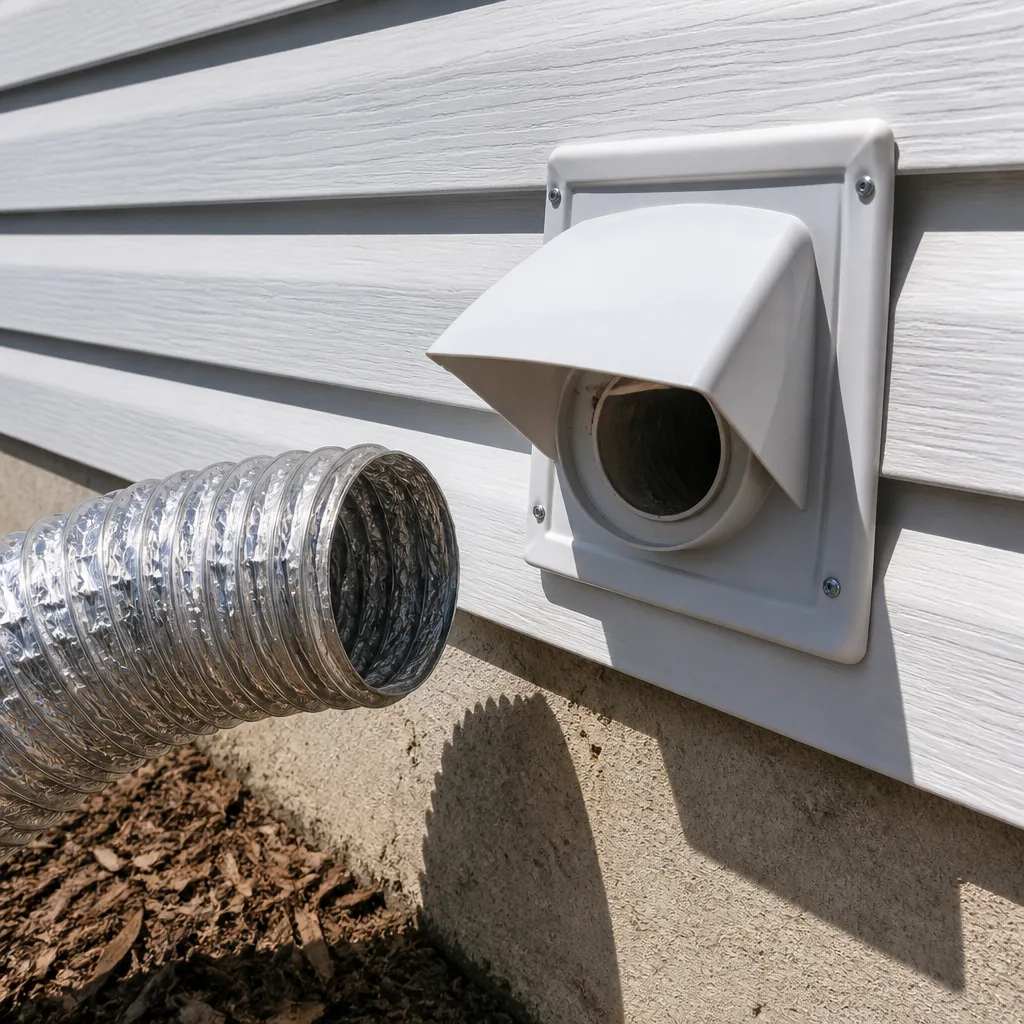 Dryer vent cleaning
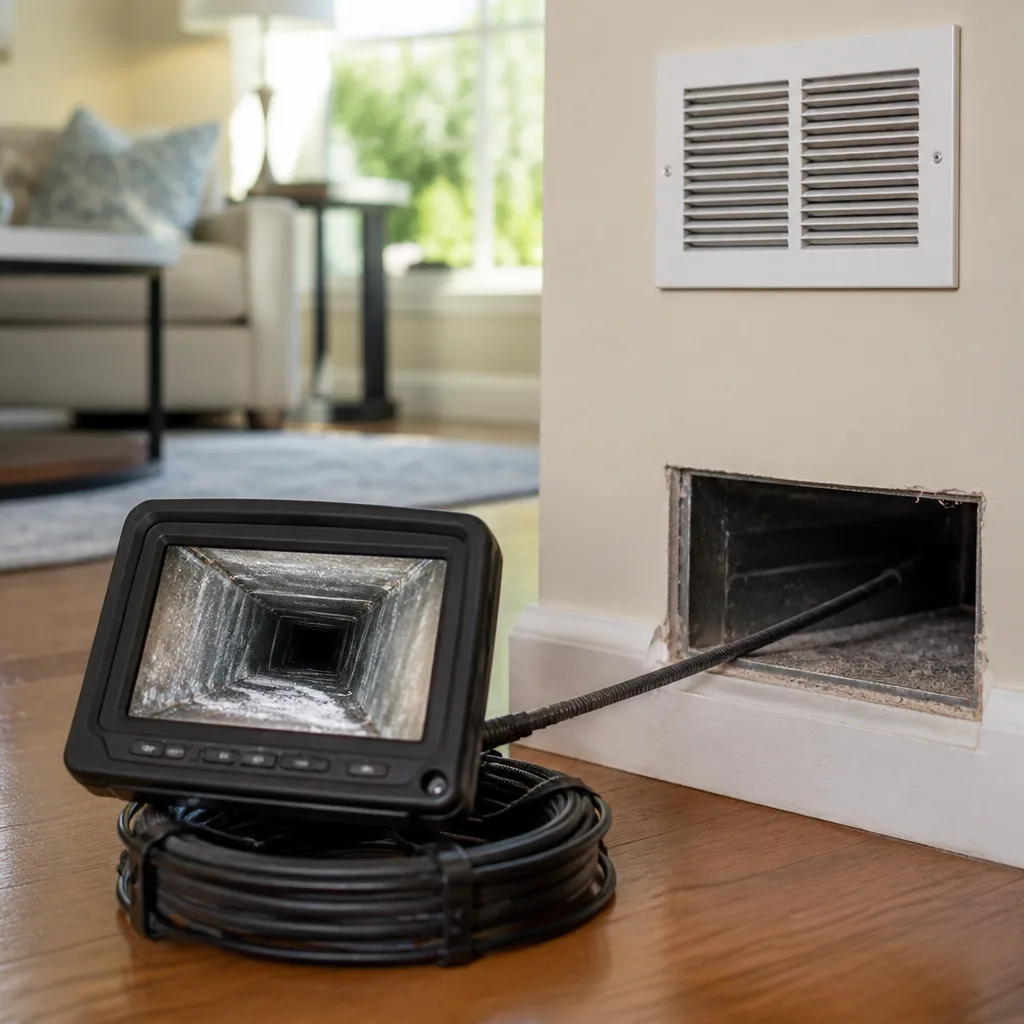 Camera inspection
 Sanitizing & deodorizing
Whole-system duct and dryer vent check with before-and-after photos - you see exactly what came out of your vents
That "$99 whole-house special" is a bait ad - the real number appears once they are in your hallway, or the "clean" is a shop-vac at the register. We photograph the inside of your ducts before and after instead.
Choosing the Right Air Duct Cleaning Brand: A Buyer’s Guide for Bellevue
Most homeowners pick an air duct cleaning company the way they pick a restaurant: they scan reviews, compare two or three quotes, and go with the one that feels safest at the lowest number. That’s backwards. The variable that predicts the result more reliably than reviews or price is the equipment the company brings through your front door, because the method determines what actually leaves your ductwork. A skilled technician with an underpowered vacuum can’t remove what the machine won’t capture, and a mediocre technician with the right system often gets further. This guide explains what professional duct cleaning equipment really does, how to read a contractor’s answer when you ask about it, and how that ties back to indoor air quality in Bellevue’s damp, marine-influenced climate.
Quick Answer
The best air duct cleaning company in Bellevue is the one that can name its equipment and explain what each piece does: a contact-based rotary brush system like Rotobrush for mechanical agitation and simultaneous extraction, a HEPA-rated vacuum like Nikro for fine particulate capture, and containment equipment such as Abatement Technologies for negative air pressure so dislodged debris doesn’t spread through the house. A company that answers “we use a big vacuum and a hose” can’t tell you how it approaches your specific system. Ask directly. The answer tells you almost everything.
Styles & brands we work with
- Whole-home duct cleaning
- Dryer vent cleaning
- Camera inspection
- Sanitizing & deodorizing
Table of Contents
- Why Equipment Is the Best Proxy for a Duct Cleaning Company
- How Contact-Based Rotary Brush Systems Work
- What HEPA and Negative Air Systems Accomplish
- Containment and What It Signals About a Company
- Why Equipment Investment Correlates With Commitment
- How to Ask a Contractor About Their Setup
- What Makes Bellevue Ductwork Different
- Repair, Not Just Cleaning: The Overlooked Half of the Job
Why Equipment Is the Best Proxy for a Duct Cleaning Company
Duct cleaning has no single licensing body or universal certification, which is why the industry has a reputation problem. Anyone with a van, a shop-vac, and a website can advertise as a duct cleaner. Reviews help, but they’re subject to the same gaming as any other trade. Equipment closes the gap because it’s hard to fake. A Rotobrush rotary brush system, a Nikro HEPA vacuum, and Abatement Technologies containment gear represent real capital outlay and real training requirements. A company that owns and uses that equipment has made a different kind of commitment than one that shows up with consumer hardware.
Bellevue’s housing stock makes this more relevant than it might be elsewhere. The city has a mix of older mid-century homes in neighborhoods like Bridle Trails and Crossroads, plus newer construction and a lot of condos and townhomes concentrated downtown and in Bellevue’s Spring District. Older homes often have galvanized or flex duct with more contamination history and more joints to fail. Newer homes tend to be tighter, so the same amount of dust recirculates more. Both profiles reward a careful method over a fast one.
There’s a second reason to lead with equipment. It forces the conversation onto process, which is where bait-and-switch operations fall apart. A company selling a teaser price can’t talk about negative air pressure or brush aggressiveness without exposing that they didn’t budget for either. That’s useful information before anyone arrives at your door.
What the equipment question actually tests
- Capital commitment. Professional-grade systems cost far more than consumer vacuums and require maintenance and replacement. That’s a signal about longevity.
- Training. Rotobrush and Abatement systems have operating procedures. A company that uses them knows how to train for them.
- Scope. Containment gear and HEPA filtration only make sense if you’re doing full-system work, not spot cleaning.
- Accountability. Companies that invest in equipment tend to document before-and-after conditions, because they can.
How Contact-Based Rotary Brush Systems Work
The core mechanical question in duct cleaning is how you dislodge debris that’s bonded to the duct wall. Three broad methods show up in the market. The first is air-whip or compressed-air agitation, which blows a high-velocity stream into the duct and relies on airflow to carry loosened material toward a vacuum. It works reasonably well on light dust but struggles with caked-on debris in older systems. The second is manual brushing, which is labor-intensive and limited to reachable runs. The third is a contact-based rotary brush system, which spins a rotating brush inside the duct while extracting air simultaneously.
Rotobrush is the best-known rotary brush system in residential duct cleaning. The brush physically contacts the interior wall, so it lifts adhered dust, lint, and debris that airflow alone won’t move. Because extraction runs at the same time, the material goes into the capture system rather than being pushed downstream to settle somewhere else in the duct or blow into a supply register. That simultaneous action is the point. Agitation without extraction just relocates the problem; extraction without agitation mostly leaves the bonded layer in place.
For homes in Bellevue with older galvanized duct, this matters because galvanized surfaces develop a rougher profile over time and debris clings more aggressively. Flex duct is smoother but can develop pockets at sag points where dust accumulates. A rotary brush navigates both, as long as the technician knows when to use a softer brush on flex and a stiffer brush on rigid duct. If you want to see what this looks like in practice, the air duct cleaning service page walks through the standard sequence.
A simple way to think about it
- Airflow alone loosens light debris but leaves bonded material.
- Manual brushing reaches the wall but captures poorly.
- Rotary brushing plus simultaneous extraction dislodges and captures at the same time.
- A HEPA-rated vacuum downstream captures what the brush releases.
- Containment keeps anything the system misses out of your living space.
What HEPA and Negative Air Systems Accomplish
A shop-vac and a real duct cleaning vacuum sit on the same continuum but at very different points. A consumer shop-vac moves air and pulls visible debris. What it doesn’t do is capture fine particulate at HEPA efficiency, which is the size class that matters most for anyone with allergies or respiratory sensitivities. Those are the particles that stay suspended in air and end up in your lungs rather than on your carpet.
Nikro HEPA-rated vacuum systems are built for duct cleaning specifically. They maintain high airflow while running through a HEPA filter stack, which keeps capture efficiency high even as debris builds. That combination of sustained suction and filtration is what makes full-system cleaning practical. A weaker system forces the technician to work more slowly, which means corners get cut in exactly the runs that are hardest to reach. In our experience, that’s where the difference between a thorough job and a rushed one shows up.
This is especially relevant in Bellevue homes that have had any moisture event. Bellevue sits in a marine climate with wet winters and shoulder seasons, and that humidity doesn’t stop at the building envelope. Ductwork that runs through unconditioned spaces, like attics, garages, and crawlspaces, can pick up moisture and become a habitat for mold spores. Cleaning that kind of contamination with an inadequate capture system can liberate spores into the breathing zone. HEPA filtration in the capture path is the minimum bar for that scenario. If you’re already thinking about filtration upgrades, familiar brands like Honeywell and Aprilaire are common in Bellevue homes, and companies that work with them regularly tend to understand the interaction between duct condition and filter performance.
When HEPA capture is non-negotiable
- Suspected or confirmed mold growth inside ductwork
- Household members with asthma, allergies, or other respiratory conditions
- After water intrusion, roof leaks, or crawlspace moisture issues
- Post-renovation cleanup where drywall dust has entered the system
- Homes with pets, which generate fine dander particulate
Containment and What It Signals About a Company
Here’s a scenario that plays out in condos and townhomes across Bellevue’s denser neighborhoods. A company cleans a duct system without containment. The vacuum runs, the brush spins, and material that isn’t captured becomes airborne in the living space. The homeowner notices dust settling on surfaces the next morning and assumes the job was done sloppily. Sometimes it was. Sometimes the company didn’t have the equipment to prevent the spread in the first place.
Abatement Technologies equipment addresses this directly. Negative air pressure systems pull air from the work zone and filter it before it reaches the rest of the home, which means the work area stays at a slightly lower pressure and airborne particles move toward the machine rather than toward your bedroom. For anyone with respiratory sensitivity, this is the difference between a cleaning that helps and one that leaves them feeling worse for a few days. It’s also the standard of care in commercial and industrial air quality work, where containment is routine rather than optional.
That’s an important signal. A company using containment was trained, either formally or through operating experience, in a method that treats duct cleaning as an air quality procedure rather than a visible-dust-removal chore. When you ask a contractor how they prevent cross-contamination, a confident answer names the equipment and explains negative pressure in plain terms. A vague answer is one that changes the subject to price.
What containment looks like in practice
- Work zone sealed off from adjacent living space
- Negative air pressure maintained throughout the cleaning
- Air exhausted through HEPA filtration, not straight back into the room
- Access points sealed and restored after cleaning
- Before-and-after photos taken at the register or trunk line level
Why Equipment Investment Correlates With Commitment
A professional duct cleaning setup isn’t an incremental expense. Rotary brush systems, HEPA vacuum units, and containment equipment together represent a meaningful capital commitment that a company makes before it cleans its first duct. That investment gets recovered job by job over time. It also implies something about how a company thinks about the work: it plans to be doing this for a while.
Companies operating on consumer-grade equipment have a different economic model. Low overhead, low price, move quickly. There’s nothing inherently wrong with a small operator, but the result is limited by the tools. If the vacuum can’t capture fine particulate, no amount of effort at the register changes the final air quality. If there’s no containment, the homeowner absorbs the tradeoff in settled dust.
Bellevue has a competitive home services market, and a lot of companies advertise duct cleaning as a way to get a truck to the door and upsell other services. The equipment question filters those out faster than any review site. The capital commitment behind Rotobrush, Nikro, and Abatement gear doesn’t happen accidentally, and the companies that made it tend to bring that seriousness to scheduling, documentation, and the conversation about repair. If you want to see how a full-scope provider handles a Bellevue home, the duct cleaning in Bellevue page gives a clearer picture of what’s included.
What separates a full-scope provider
- Cleaning the full system, not just the easy runs
- Dryer vent cleaning offered as a core service, not a bolt-on
- Air duct repair available when inspection reveals compromised ductwork
- Before-and-after documentation of the actual ductwork
- Knowledgeable about filtration and IAQ upgrades, including Honeywell and Aprilaire systems
How to Ask a Contractor About Their Setup
The question to ask isn’t “are you licensed?” because most jurisdictions don’t license duct cleaners. The question is what they’re bringing and why. A contractor with real equipment and real method will welcome this conversation. One working around the edges will get vague, deflect to price, or use superlatives instead of nouns. You’ll know which you’re on the phone with within about 90 seconds.
The six questions and what a strong answer sounds like
- “What equipment will you use in my home?” A confident answer names the system. “Rotobrush rotary brush system plus a Nikro HEPA vacuum” is specific. “A big vacuum” is not.
- “How do you prevent debris from spreading?” The right answer mentions containment and negative air pressure. If it doesn’t, ask again with the word containment.
- “How do you handle different duct types?” Flex duct needs a softer brush than rigid galvanized. A good technician adjusts and can tell you why.
- “Will you inspect for damage?” Compromised ductwork needs repair, not just cleaning. Ask what happens if they find a failed joint or separated section.
- “Will I see before-and-after photos?” A company with proper equipment has nothing to hide and usually offers this without being asked.
- “What’s the price for my whole system, and is it a flat price?” One flat price per system, agreed before work starts, beats any per-vent quote. Ask for the written estimate.
One more question worth asking that most homeowners skip: “What’s the scope?” Air duct cleaning and dryer vent cleaning are different services with different equipment. A company that treats dryer vent cleaning as a throwaway add-on probably won’t do it properly. This matters for safety reasons covered below. For the specifics on that service, dryer vent cleaning describes the standard. If you’d like to talk through any of these questions with us directly, call (833) 454-4523. We answer 24/7. Fast dispatch from 7am to 7pm, Sunday through Friday.
What Makes Bellevue Ductwork Different
Bellevue’s climate runs wet and mild, with long damp stretches from fall into late spring and relatively dry summers. That pattern affects duct systems in ways that dry-climate advice ignores. In a wet climate, unfiltered humidity cycling through unconditioned duct runs can promote surface mold growth, especially in crawlspace and garage runs where the ductwork is on the cool side of the building envelope. Condensation on the duct exterior during temperature swings can drip and create localized problems. Cleaning ductwork in a wet climate without checking for moisture damage leaves the root cause in place.
The city’s housing variety adds another layer. Neighborhoods like Crossroads, Bridle Trails, and Lake Hills have a lot of homes from the mid-20th century with original ductwork, sometimes galvanized, sometimes early flex, occasionally with retrofits and additions that created complicated branch layouts. The newer construction downtown and in Bellevue’s growing Spring District tends toward tighter envelopes, which means indoor air quality depends more heavily on filtration and duct cleanliness because there’s less natural air exchange.
Property managers across Bellevue’s rental stock face a version of the same problem at scale. A tenant complaint about dust or seasonal allergies often traces back to a system that hasn’t been cleaned in years, or to a dryer vent that’s never been touched. For a walk-through of the neighborhoods we work in, see Bellevue.
Local factors that change the answer
- Marine climate with damp winters raises the risk of moisture-related duct issues
- Older housing stock in outlying neighborhoods often has original or retrofitted ductwork
- Tighter newer construction makes filtration and cleanliness more consequential
- Condos and townhomes have systems that share walls, so cross-contamination risk is higher without containment
- Dryer vents in multifamily buildings need proper cleaning and are a recognized fire concern
Repair, Not Just Cleaning: The Overlooked Half of the Job
Most buyers don’t know to ask about duct repair, and most companies don’t offer it. That’s a problem because cleaning a broken system produces a short-lived result. Separated joints, crushed flex runs, disconnected branch lines, and failed mastic seals all allow conditioned air to leak into unconditioned space, pulling dust from crawlspaces and attics into the airstream. If the duct is leaking, cleaning it only fixes what’s inside the duct. The leak reintroduces contamination the next time the system runs.
Air duct repair as part of the same visit closes that loop. A technician who identifies a compromised run can fix it rather than marking it on a report and moving on. In an older Bellevue home, that often means reconnecting a dislodged flex section, sealing a failed joint, or re-taping a connection that’s been slowly separating for years. In a newer home, it might mean correcting a duct run that was installed with too many sharp bends and is starving a room of airflow.
The logistics matter too. One company doing cleaning, dryer vent service, and repair under one scope means one scheduling call, one set of expectations, and one point of accountability if something turns out to be wrong afterward. Splitting the work across three providers usually costs more and complicates the paper trail. If you suspect your system has a repair issue, mention it when you call so it can be scoped from the start.
Signs your ductwork may need repair, not just cleaning
- Uneven heating or cooling between rooms
- Visible dust at supply registers shortly after a cleaning
- Whistling or rattling sounds at specific vents
- Higher energy bills without a change in usage
- Visible separation, sagging, or crushed sections in accessible ductwork
Common Mistakes to Avoid
- Choosing on price alone. The lowest quote usually reflects the lightest equipment. A low teaser price often becomes a larger invoice once the technician is on site and starts recommending add-ons.
- Not asking about equipment. If you don’t know what’s coming into your home, you can’t judge whether the job will work. Ask, and expect names, not adjectives.
- Accepting a per-vent quote. Per-vent pricing encourages fast work over thorough work. Ask for one flat price for the whole system, in writing, before work begins.
- Cleaning a leaking system. If your ductwork has separated joints or crushed runs, the cleaning is temporary at best. Ask for an inspection and repair scope on the same visit.
- Forgetting the dryer vent. In Bellevue’s townhomes and multifamily buildings, dryer vent lines are often long and indirectly routed. A clogged dryer vent is a recognized fire concern and rarely gets checked during an air duct cleaning unless you ask.
- Skipping before-and-after documentation. Without photos of your own ductwork, you have no way to know the work was actually done. Ask for them.
- Ignoring moisture history. If your Bellevue home has had a roof leak, crawlspace moisture problem, or any water intrusion, say so. The cleaning method should account for it.
See the difference
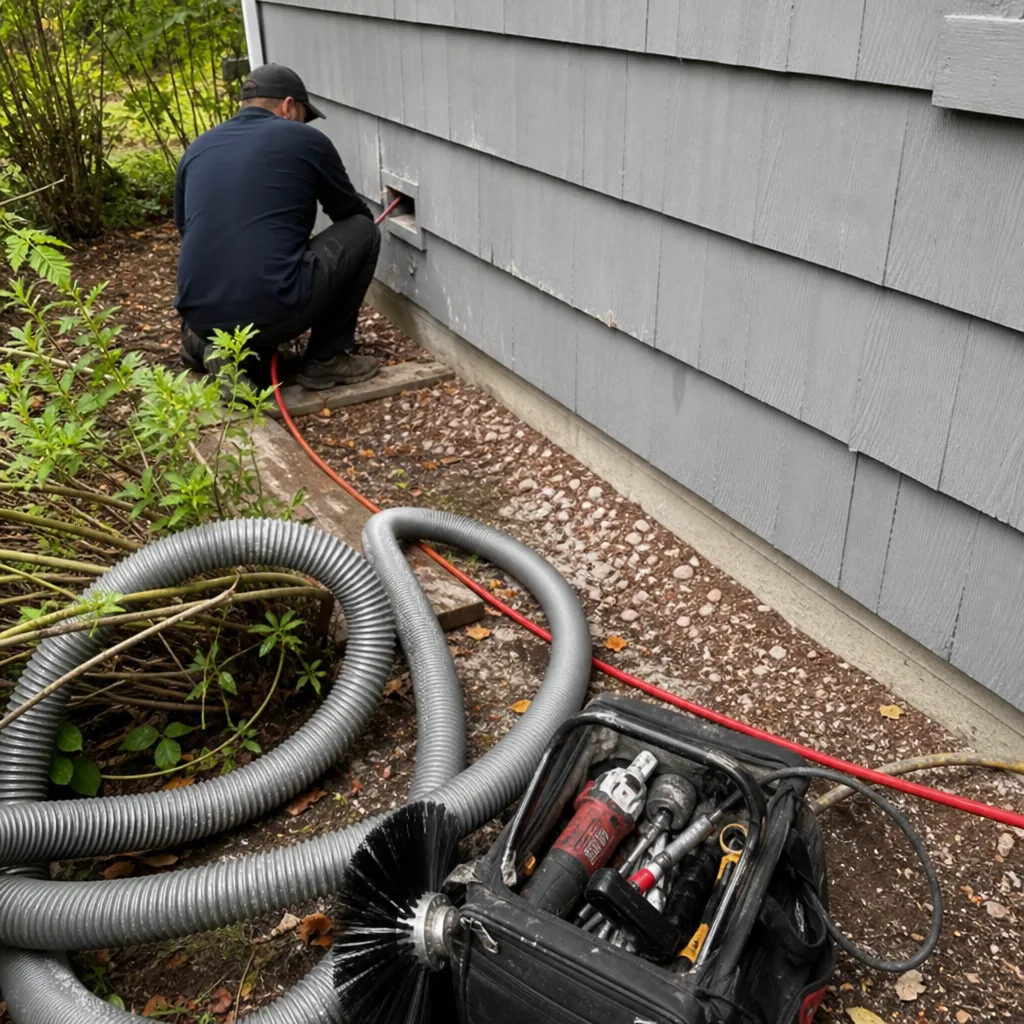 Before
 After
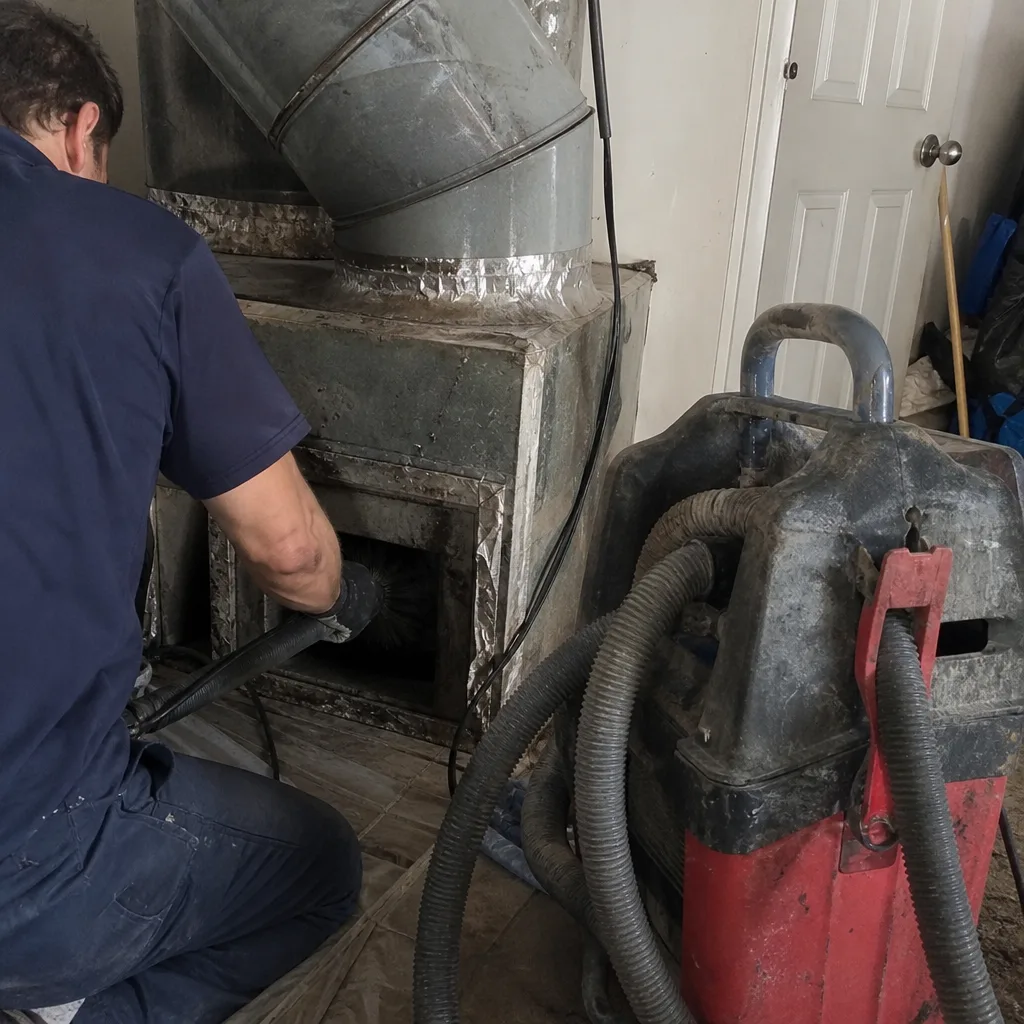 Before
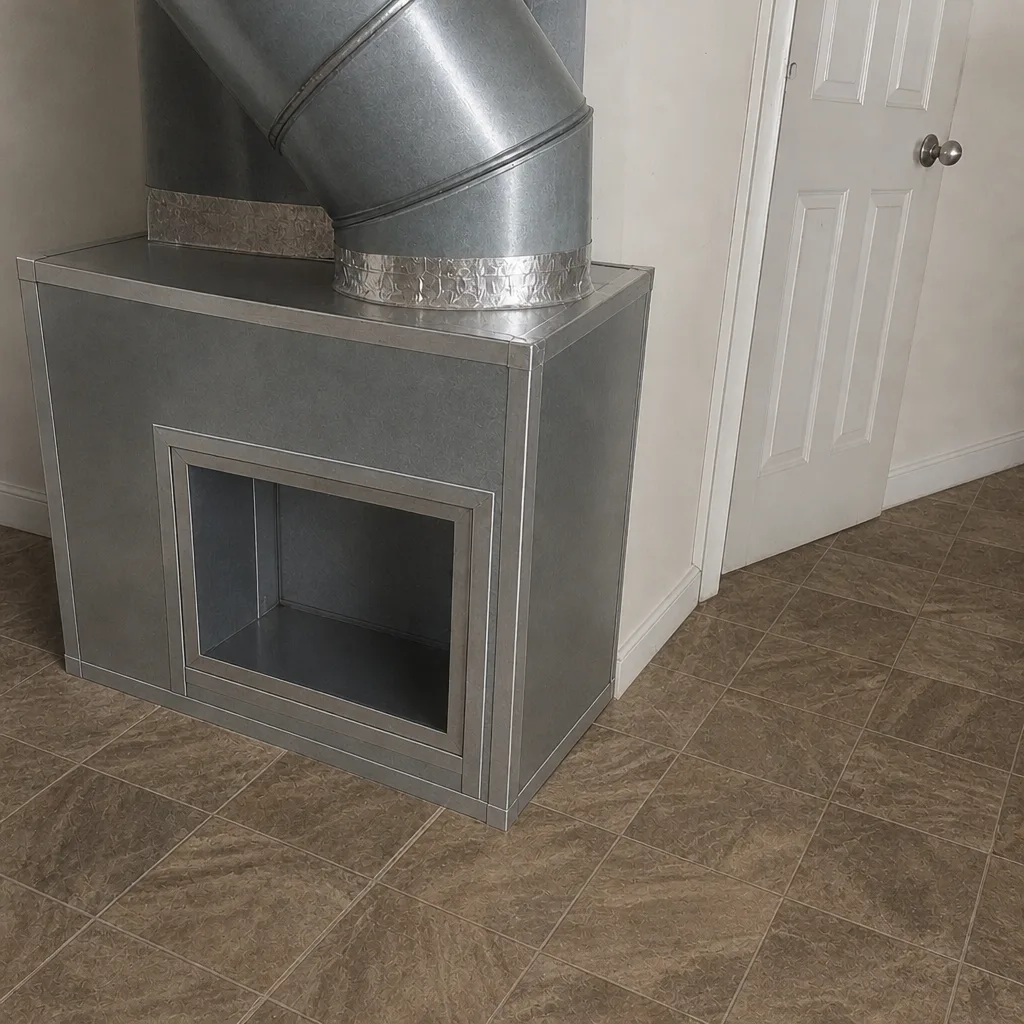 After
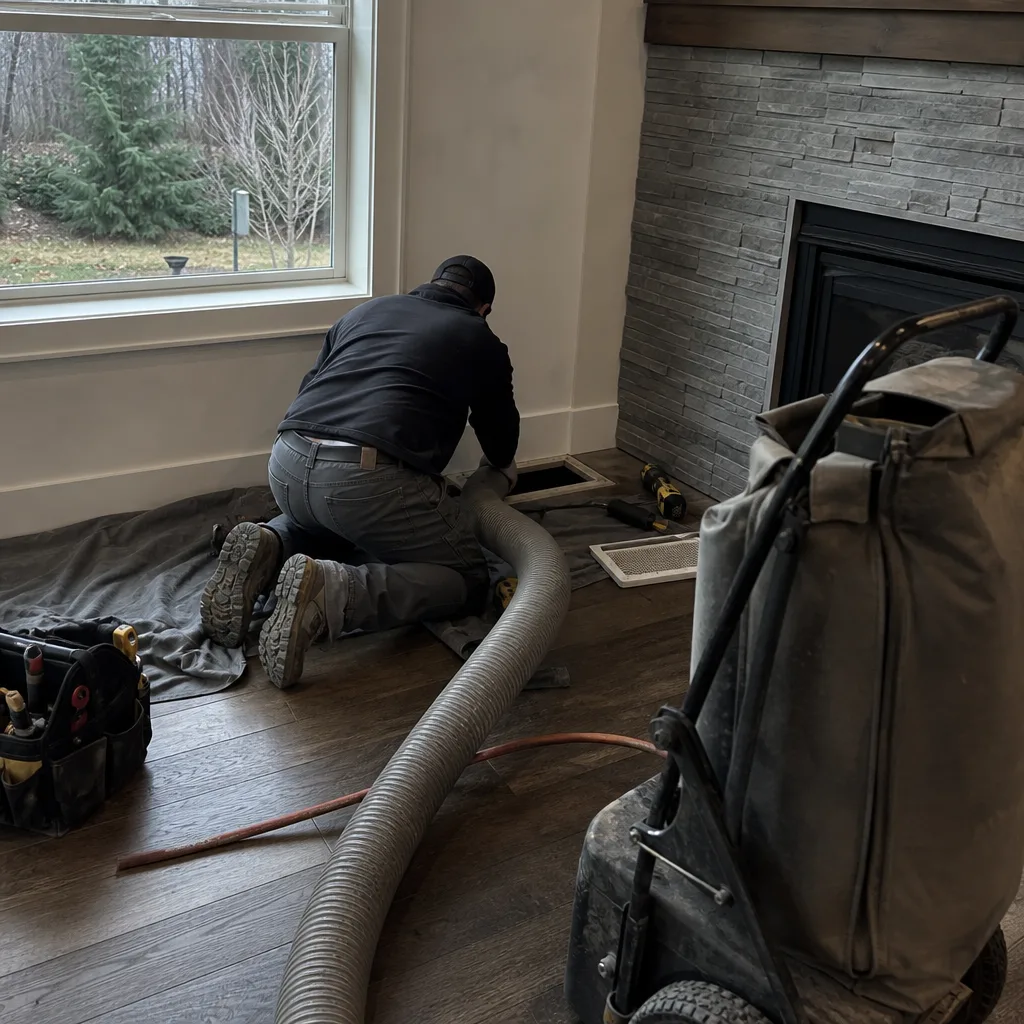 Before
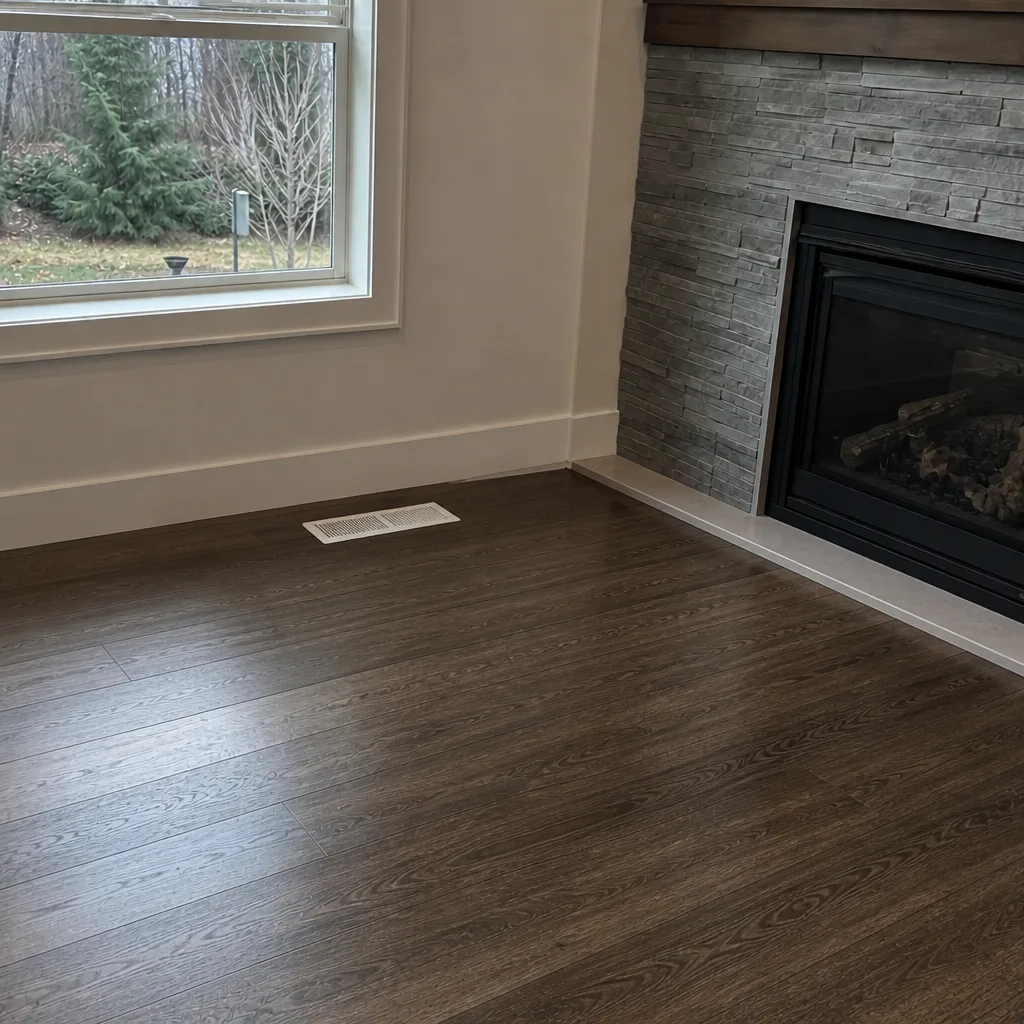 After
When to Call a Professional
Some jobs are fine to defer. Others aren’t. Call a professional if you’ve recently moved into a Bellevue home and don’t know the last time the system was cleaned, if anyone in the household has allergies or respiratory concerns and the symptoms seem tied to being indoors, if you’ve had recent renovation work that generated dust, or if you’ve noticed uneven airflow, unusual smells, or visible dust at the registers shortly after a cleaning. Call if a dryer is taking longer to dry clothes than it used to, since that’s often a sign the vent line is restricted. And call if you’ve had any moisture event in the home and haven’t had the ductwork inspected since. Our technicians have up to 14 years of experience, and Duct Cleaning Bellevue offers free estimates in Bellevue. Call (833) 454-4523. We answer 24/7. Fast dispatch from 7am to 7pm, Sunday through Friday.
Frequently Asked Questions
Pricing in Bellevue depends on the size of the system, the number of runs, the condition of the ductwork, and whether repair work is needed. We don’t quote a per-vent price, because it encourages rushing and creates surprise charges later. Instead, we set one flat price per system and confirm it in writing before any work starts, so the number in the estimate is the number you pay. Call (833) 454-4523 for an exact quote. Estimates are free.
Cheap quotes usually reflect cheap equipment: a shop-vac instead of a HEPA-rated dust system, no containment, no rotary brush, and a per-vent pricing model designed to build up charges once the technician is on site. The tools you can’t see are exactly where the difference lives. If you’re comparing two quotes and one is dramatically lower, ask the lower bidder to name the equipment they’ll use. The answer usually explains the price gap. Call (833) 454-4523 to talk through what your system actually needs.
Ask for before-and-after photos of your own ductwork, taken at the registers or trunk lines. Any company using proper equipment can provide this without difficulty. The photos should show your system, not stock images. If a company resists the request or offers to “explain it in person” instead, that’s information worth having. Call (833) 454-4523 for a straightforward estimate and clear documentation of what we find.
For most Bellevue homes, every three to five years is a reasonable baseline. Shorter intervals make sense if you have pets, recent renovation dust, allergies in the household, or a moisture history. A system that was just cleaned but shows dust at the registers again in a few weeks probably has a repair issue rather than a cleaning issue. Call (833) 454-4523 to talk through your situation; we’ll give you a straight answer on timing.
Yes. Bellevue’s damp winters and shoulder seasons raise the risk of moisture getting into duct runs through unconditioned spaces, which can promote mold growth and make fine particulate more consequential. Homes with crawlspace or garage duct runs benefit from more frequent inspection. If you’ve had any water intrusion, have the system checked even if you’re inside the usual interval. Call (833) 454-4523 and we’ll walk through what applies to your home.
It can be scheduled together, and it’s worth doing. A clogged dryer vent is a recognized fire concern, and Bellevue townhomes and multifamily buildings often have long vent runs that make the risk worse. We treat dryer vent cleaning as a core service, not an upsell, so it gets proper equipment and proper attention. Call (833) 454-4523 for a free estimate that covers both.
The Bottom Line
The best air duct cleaning company in Bellevue is the one that can name its equipment and explain the method behind it. A contact-based rotary brush system like Rotobrush dislodges bonded debris that airflow alone leaves behind. A HEPA-rated vacuum like Nikro captures fine particulate instead of redistributing it. Abatement Technologies containment keeps the air in your living space clean while the work happens. Repair belongs on the same visit as cleaning, because cleaning a leaking system only fixes half the problem. Ask specific questions, insist on one flat price per system, and request before-and-after photos of your own ducts. The answers tell you more than any review count.
Clean ducts start with the right equipment, and we’re happy to talk through exactly what yours will look like. Call Duct Cleaning Bellevue at (833) 454-4523 for a free estimate. We answer 24/7. Fast dispatch from 7am to 7pm, Sunday through Friday.
Written by the team at Duct Cleaning Bellevue.