
Last updated November 15, 2026
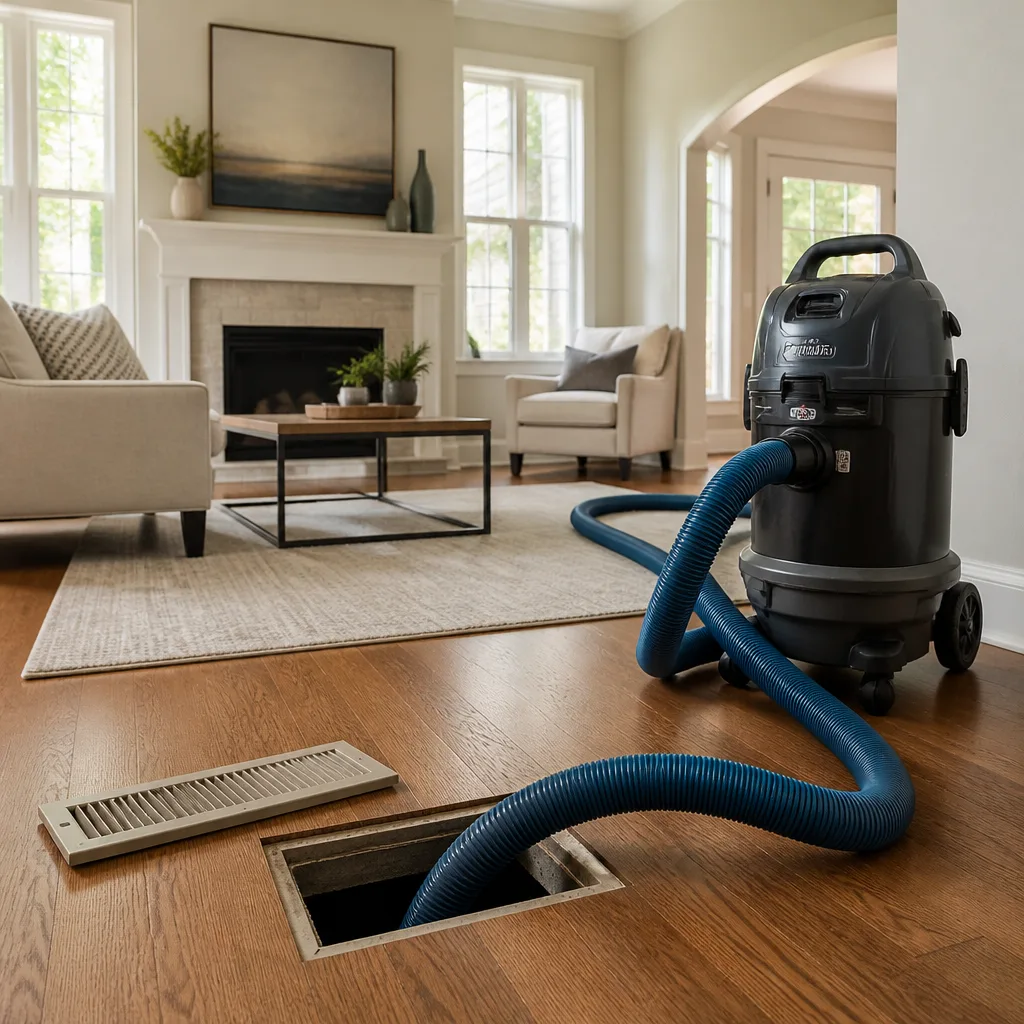 Whole-home duct cleaning
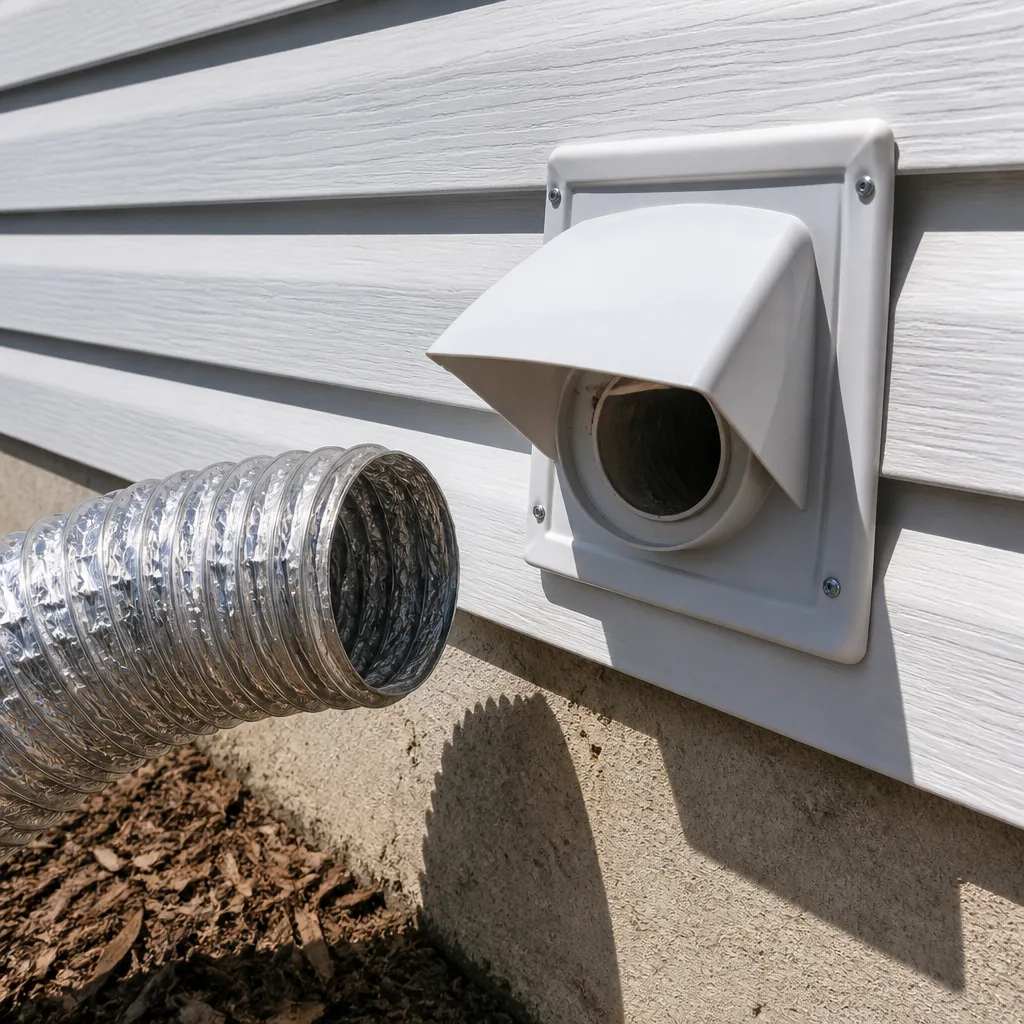 Dryer vent cleaning
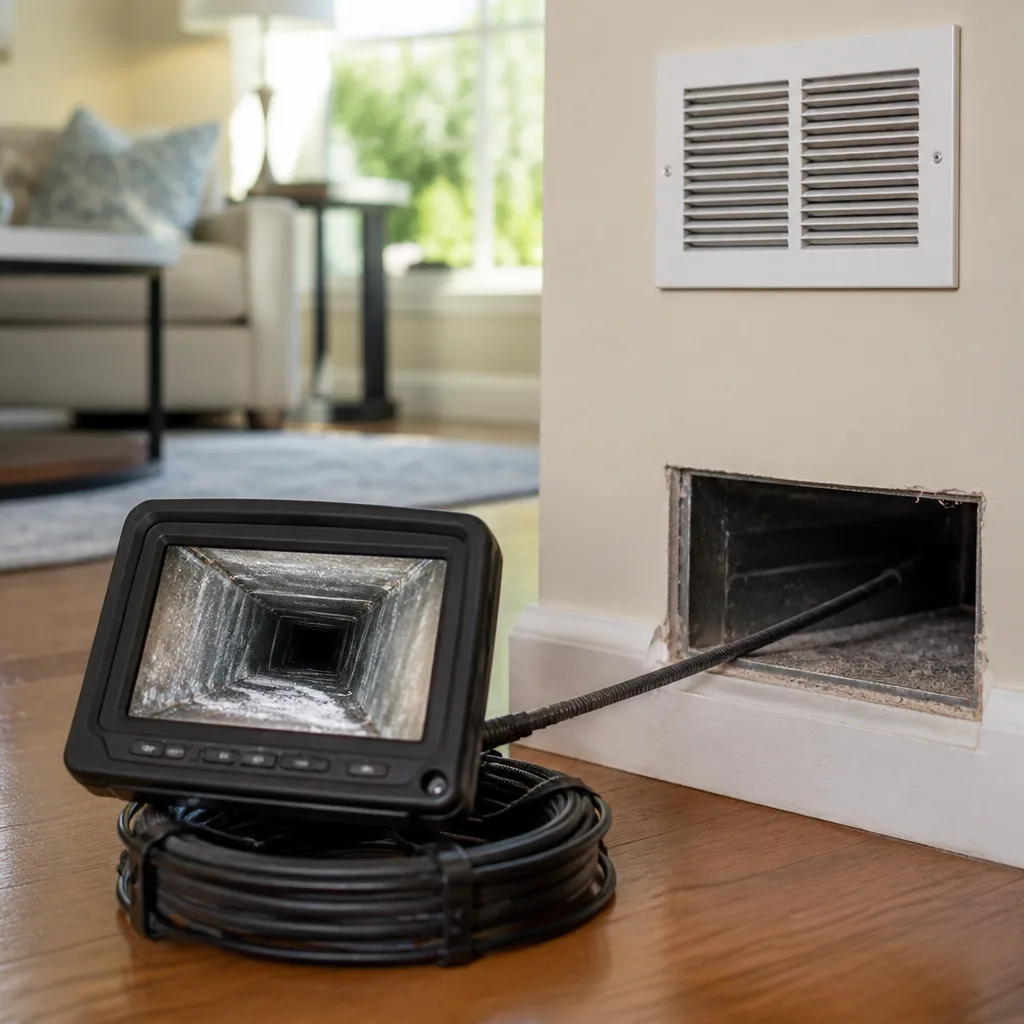 Camera inspection
 Sanitizing & deodorizing
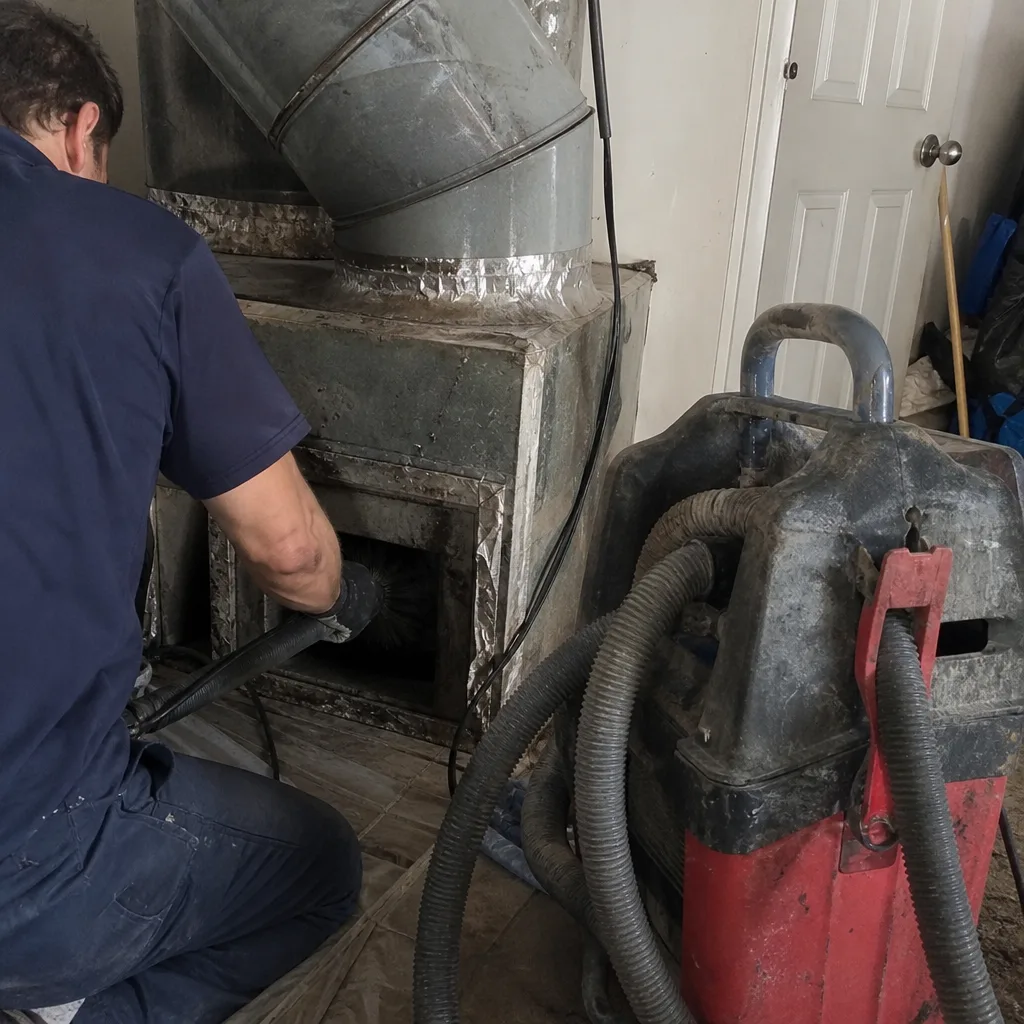
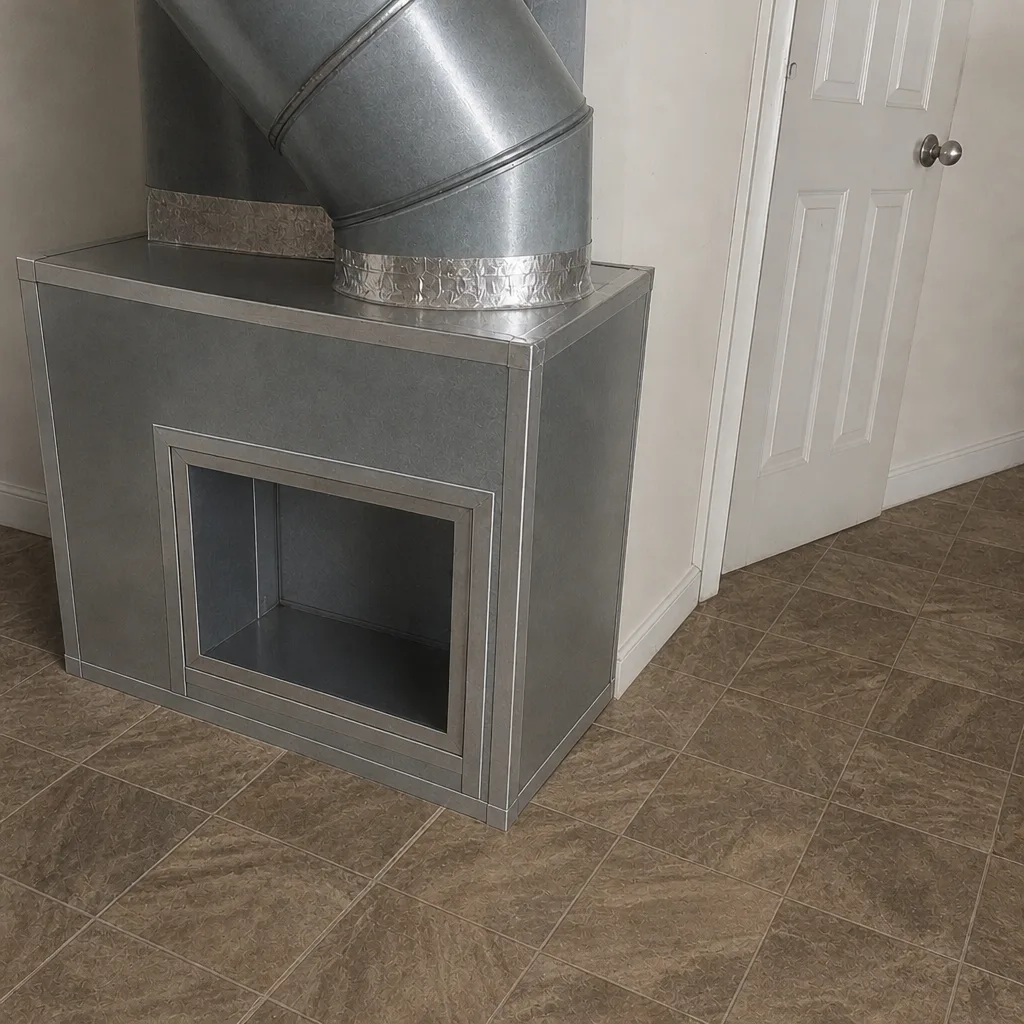
Whole-system duct and dryer vent check with before-and-after photos - you see exactly what came out of your vents
That "$99 whole-house special" is a bait ad - the real number appears once they are in your hallway, or the "clean" is a shop-vac at the register. We photograph the inside of your ducts before and after instead.
Seasonal Air Duct Cleaning Care for Bellevue: Year-Round Homeowner’s Guide
Most homeowners treat duct cleaning as one annual chore, usually scheduled whenever a coupon shows up in the mail. That approach misses the real point. Bellevue’s wet winters and dry summers push your duct system in opposite directions, and a service performed in July addresses a different set of problems than one performed in October. Treating seasonal duct care as a single generic task means you’re always solving last season’s problem six months too late. This guide maps each of Bellevue’s four seasons to specific duct system stress points, explains what actually happens inside your ductwork during each one, and lays out a 12-month care calendar built around the local climate rather than national boilerplate. You’ll finish knowing when to clean, when to inspect, and when a problem calls for repair rather than another round of cleaning.
Quick Answer
In Bellevue, the highest-value duct cleaning window is early fall, before heating season begins and while summer wildfire smoke residue can still be removed from duct interiors. Winter calls for watching for condensation in flex duct sections, spring calls for pollen-aware filtration, and summer is the right time to inspect cooling coil areas. A single annual cleaning scheduled in the fall covers the most ground, but the other three seasons each need a small maintenance action that a once-a-year visit won’t catch.
Styles & brands we work with
- Whole-home duct cleaning
- Dryer vent cleaning
- Camera inspection
- Sanitizing & deodorizing
Table of Contents
- Why Bellevue’s Climate Demands Seasonal Duct Care
- Fall: The Highest-Priority Cleaning Window in Bellevue
- Winter: Condensation, Humidity Swings, and Flex Duct Moisture
- Spring: Pollen Infiltration and Filter Strategy
- Summer: Cooling Coils and How AC Changes Debris Distribution
- Your 12-Month Bellevue Duct Care Calendar
- What to Inspect Yourself Each Season
- Common Mistakes to Avoid
- When to Call a Professional
- Frequently Asked Questions
Why Bellevue’s Climate Demands Seasonal Duct Care
Bellevue sits in a climate that swings hard between wet and dry, and your duct system feels every bit of that swing. Winters bring persistent rain and high outdoor humidity. Summers turn dry and, in recent years, smoky. Between those two extremes, the air moving through your ductwork changes character several times a year, and each change leaves a different kind of deposit behind.
Generic duct cleaning advice is written for a national average that doesn’t exist. A guide built for Phoenix tells you to worry about dust and heat. A guide built for coastal Florida warns about salt and humidity. Bellevue is neither. Our springs are pollen-heavy, our summers carry wildfire smoke from regional fires, our winters are damp, and our homes alternate between heating and cooling with a shoulder season in between that many homeowners never think about.
The practical consequence is that duct care here isn’t one task repeated annually. It’s a rotation. Here’s what changes season to season:
- Heating season pulls warm air through ductwork that’s been sitting all summer, redistributing whatever settled there.
- Cooling season introduces moisture at the coil and changes how debris moves through the system.
- Shoulder seasons are when ducts sit idle and accumulate rather than circulate.
- Smoke events in summer push fine particulate into return air paths that a standard filter won’t fully catch.
We’ve seen this pattern across Bellevue homes in neighborhoods from Bridle Trails to Somerset. The homes that stay ahead of duct problems aren’t the ones that clean most often. They’re the ones that clean at the right time and inspect in between. If you want the baseline service that anchors this whole calendar, air duct cleaning is where most Bellevue homeowners start.
Fall: The Highest-Priority Cleaning Window in Bellevue
If you clean your ducts once a year, do it in early fall. This is the single most important scheduling decision in Bellevue duct care, and it comes down to two factors stacking on top of each other: summer smoke residue and the start of heating season.
What summer leaves behind
Bellevue summers now regularly include wildfire smoke events, sometimes lasting days. Fine smoke particulate is small enough to pass through standard filters and settle inside duct interiors, on register grilles, and along the return air path. Once it settles, it doesn’t leave on its own. When you turn the heat on in October, that residue gets picked up and circulated through every room.
Cleaning before heating season means removing it before it becomes airborne again. Cleaning after heating season means you’ve already breathed it for months. The order matters more than the frequency.
Why fall beats spring for cleaning
A spring cleaning sounds logical. Pollen is in the air, so clean the ducts. But spring cleaning removes deposits that heating season already pushed through your home, and it leaves fresh duct interiors sitting through an entire summer of smoke and dust before the system runs hard again. Fall cleaning captures the whole summer’s accumulation and clears the path before the system starts working daily.
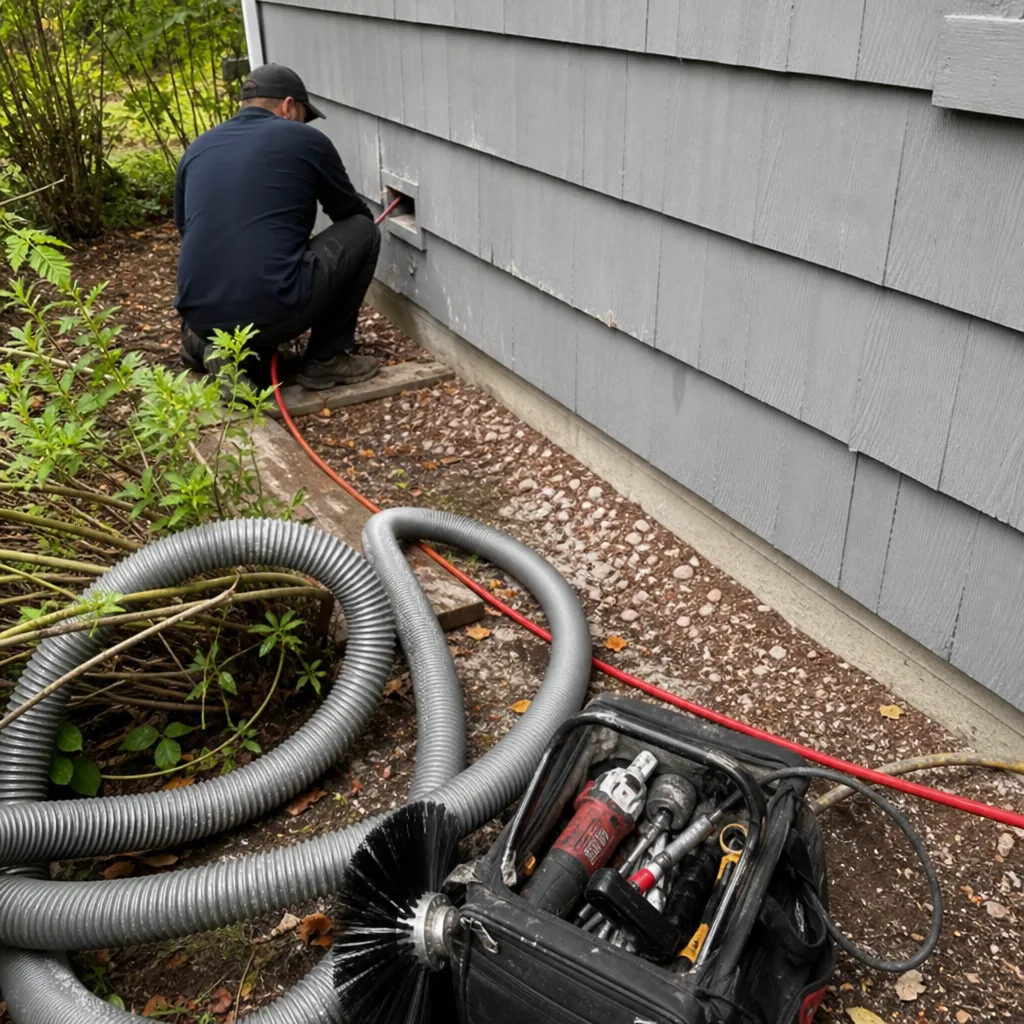
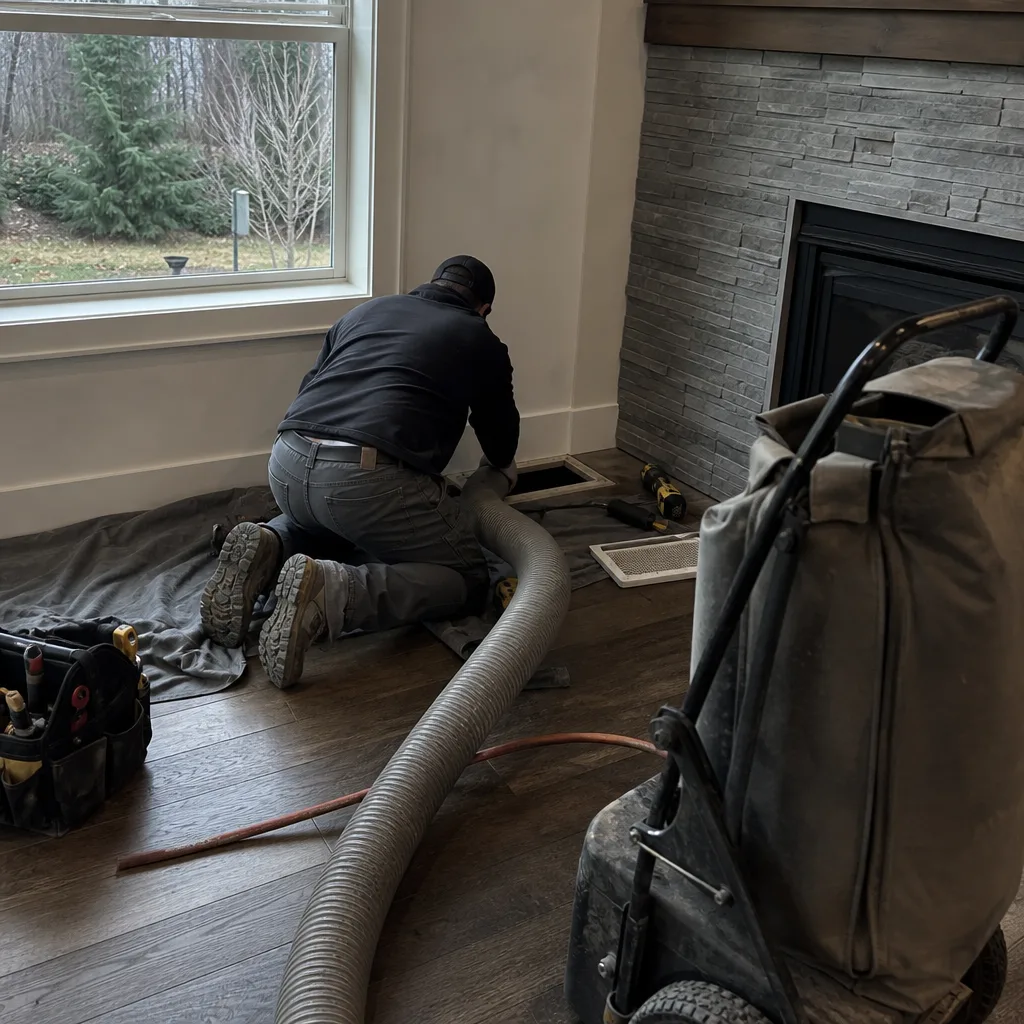
The proper fall service isn’t a vacuum pass. It’s mechanical agitation with simultaneous extraction, which is why we use a Rotobrush rotary brush system rather than a shop-vac and a hose. The brush loosens what’s bonded to duct walls and the extraction pulls it out at the same moment. Containment matters here too. Abatement Technologies equipment lets us hold negative air pressure during the job so dislodged debris is captured at the source rather than redistributed through the house.
Your fall checklist
- Schedule cleaning for late September or early October, before the first sustained heating use.
- Replace the furnace filter the same week as cleaning, not before.
- Ask for before-and-after photos of your own ducts so you can see what came out.
- Have the technician check for disconnected or crushed flex runs while the system is open.
- Note any rooms that felt uneven last winter and flag them for inspection.
That last step is where duct repair enters the picture. Fall is the ideal time to find and fix compromised ductwork because the system is about to run every day for months. Cleaning a system with a disconnected run and leaving it that way solves half the problem. We repair what others walk past, and doing it in fall means the fix is in place before the heating season stress-tests it.
Winter: Condensation, Humidity Swings, and Flex Duct Moisture
Winter in Bellevue is wet outside and, in most homes, dry inside once the heat runs. That mismatch is where duct problems start. Warm indoor air holds moisture. Cold surfaces condense it. And some sections of your duct system are colder than you’d expect.
Where condensation forms
Flex duct runs in unconditioned spaces are the usual suspects. A flex run through a cold crawlspace or attic can drop below the dew point of the air moving through it, especially on the outside surface. When that happens repeatedly, the insulation jacket gets damp. Damp insulation loses R-value, and a flex duct with compromised insulation loses efficiency fast.
You won’t see this from the hallway. What you might notice:
- Condensation or frost on duct surfaces in the attic or crawlspace.
- A musty smell when the heat first comes on in the morning.
- Visibly sagging or kinked flex runs.
- Cold spots near registers that were fine last year.
What to do about it
Winter is an inspection season, not a cleaning season. You’re looking for moisture problems, not scheduling extraction. If you find damp insulation or a sagging run, that’s a repair call, and it’s better handled in winter than discovered in July when the cooling system starts pulling humid air through the same compromised section.
Whole-home humidity matters here too. Homes that run too dry in winter don’t condense as much, but they do build static and dry out duct sealant. Homes with a whole-home humidifier running too high can push moisture into duct surfaces that never dry out. If you have a Honeywell or Aprilaire humidifier tied into your HVAC system, the winter setting deserves a check. We work with both brands regularly, and getting the humidity balance right is often a bigger win than another cleaning.
One more winter note: this is the season when heating runs hardest, so it’s also when any debris left in the system gets the most circulation. That’s an argument for the fall cleaning, not against it. If you missed the fall window, get the cleaning done as early in winter as you can and treat the rest of the season as inspection.
Spring: Pollen Infiltration and Filter Strategy
Bellevue’s spring pollen load is heavy, and most of it enters your home through the same paths your duct system uses. Understanding where pollen gets in changes how you filter during the high-pollen weeks.
How pollen gets into ducts
Pollen doesn’t need a gap the size of a coin. It rides in on return air and settles on duct surfaces, register grilles, and the return plenum. It also enters through:
- Return air grilles in hallways and bedrooms, which pull air from living spaces.
- Loose or poorly sealed register boots where the duct meets the floor or wall.
- Fresh air intakes or ventilation systems, if your home has them.
- Open windows during mild spring days, which push pollen directly into return paths.
Once pollen is in the duct system, it doesn’t stay put. Every time the fan runs, some of it lifts and recirculates. For households with allergy sufferers, that’s the practical problem, not the pollen count outside.
Filter strategy for Bellevue’s high-pollen weeks
Spring is when filter choice matters most. A few principles:
- Match filter rating to your system. High-MERV filters capture more pollen but restrict airflow. If your system wasn’t designed for it, a very high-MERV filter can strain the blower and cost more than it saves. Ask before you upgrade.
- Change more often during pollen season. A filter that normally lasts three months can load up faster in April and May.
- Seal the filter slot. Air that bypasses the filter carries pollen straight into the system. A gasket or tape on a loose slot is a cheap fix with real effect.
- Consider the whole-home picture. Homes with Aprilaire or Honeywell filtration cabinets have more options than a standard 1-inch slot. Not every home is set up for one, but where it fits, it’s a genuine upgrade over repeated filter swaps.
What spring cleaning actually addresses
If you already cleaned in fall, spring is mostly about filtration and inspection. If you didn’t, a spring cleaning is better than nothing, but it’s solving the wrong problem. The pollen you’re removing is this season’s. The smoke residue from last summer is still there, and it’s been circulating all winter.
Spring is also a good time to check dryer vent function, especially in households that run the dryer heavily during wet weather. A clogged dryer vent is a fire hazard, and it’s one of the core services we handle alongside ductwork. dryer vent cleaning is worth scheduling in spring before the summer heat arrives.
Summer: Cooling Coils and How AC Changes Debris Distribution
Summer flips the system into cooling mode, and that changes where debris accumulates inside your ductwork. It’s not just the same dust moving the same way. Air conditioning introduces moisture, and moisture changes how debris behaves.
The cooling coil as a debris magnet
The evaporator coil sits in the air handler and gets wet every time the system cools. That wet surface is sticky. Dust that would otherwise blow through the system can adhere to the coil, and as it accumulates the coil loses its ability to transfer heat. A dirty coil means the system runs longer, costs more to operate, and cools less effectively.
The coil area is also where biological growth can begin if the system stays damp between cycles. That’s a reason seasonal inspection matters, not a reason to panic. The right approach is to look, catch problems early, and clean the coil area properly rather than running a cleaner through a system that needs inspection.
How to inspect the coil area without touching it
You can check for the signs without opening the air handler. High-tension components and electrical connections inside an air handler aren’t a DIY area, and we’d rather you call than reach in. What you can do:
- Look for water in the condensate drain pan or around the air handler.
- Check whether the return grille feels noticeably weaker than last summer.
- Watch for musty odors when the AC first kicks on.
- Note whether the system runs continuously on mild days, which can indicate a dirty coil or a duct issue.
Why summer is the debris-distribution season
During cooling, air moves through the same ducts but with different moisture content and, in some homes, lower volume. Debris that settled during the shoulder season can lift once the fan runs, and the lower airflow of cooling mode means it doesn’t all make it to the filter. Some settles elsewhere in the system.
If your ducts were cleaned in fall, summer is inspection only. If a duct run was damaged over winter, summer is when you’ll feel it as a warm room that never gets cool. That’s worth a repair call, and it’s the reason we handle air duct cleaning and duct repair as one service rather than two separate calls.
Your 12-Month Bellevue Duct Care Calendar
Here’s the whole year in one place. This is built around Bellevue’s actual climate pattern, not a national average, and it assumes a single annual professional cleaning in fall.
- January: Inspect flex duct runs in attic and crawlspace for condensation or damp insulation. Check whole-home humidifier setting.
- February: Replace furnace filter. Note any rooms with uneven heat for follow-up in fall.
- March: Check return air grilles for visible dust buildup. Inspect register boots for gaps.
- April: Change filter at the start of pollen season. Seal filter slot if it’s loose. Schedule dryer vent cleaning.
- May: Peak pollen. Change filter again if it loads up fast. Keep windows closed on high-pollen days when the system is running.
- June: Transition to cooling. Clear debris from around outdoor condenser. Check condensate drain pan for standing water.
- July: Watch for musty odors when AC starts. Note any rooms that don’t cool. Inspect coil area conditions.
- August: Smoke season. Keep windows closed during smoke events. Change filter after any heavy smoke period.
- September: Schedule professional duct cleaning for early fall. Replace filter the same week.
- October: Heating season begins. Do a room-by-room check for uneven heating. Flag any runs that feel weak.
- November: Listen for rattling or whistling at registers, which can indicate loose connections.
- December: Mid-winter inspection of flex runs. Check humidity balance if you run a whole-home humidifier.
This calendar isn’t a rigid rulebook. A household with significant allergy sensitivity might add a spring cleaning. A home with older flex ductwork might need two inspections a year in the unconditioned spaces. The point is the pattern: clean in fall, inspect in the other three seasons, and let the Bellevue climate set the timing instead of a mailing.
What to Inspect Yourself Each Season
You don’t need to get into the ductwork to catch most problems early. Here’s what’s worth checking each season, in plain terms.
Fall inspection list
- Swap the furnace filter the same week as your cleaning.
- Walk the registers and feel for weak airflow in any room.
- Look at any accessible flex runs for kinks, tears, or disconnected sections.
- Note any rooms that were cold last winter so the technician can check them.
Winter inspection list
- Look for condensation or frost on accessible duct surfaces.
- Smell the air when heat first comes on each morning. Musty means moisture.
- Check your whole-home humidifier setting if you have one.
- Listen for new rattling or whistling sounds.
Spring inspection list
- Check return grilles for visible pollen or dust film.
- Feel around register boots for gaps between the duct and the wall or floor.
- Confirm the filter is the correct rating for your system before upgrading.
- Look for lint around the dryer vent exterior flap.
Summer inspection list
- Check the condensate drain pan for standing water.
- Confirm the outdoor condenser is clear of debris.
- Note musty smell when the AC starts.
- Watch for rooms that never cool properly.
Common Mistakes to Avoid
- Cleaning in spring instead of fall. Spring cleaning removes this season’s pollen and leaves summer smoke residue sitting until the following year. In Bellevue, fall is the window that actually captures the whole cycle.
- Accepting a low teaser price without a scope. A price that doesn’t include whole-system extraction with mechanical agitation usually means a vacuum pass, and it often balloons once the technician is on site. A flat price per system, agreed before work starts, is the benchmark to ask for.
- Upgrading to the highest-MERV filter available. A filter your blower wasn’t designed for restricts airflow and can cost more in system wear than it saves in filtration. Ask about your system’s airflow before you upgrade.
- Skipping duct repair because the cleaning’s already booked. Cleaning a system with a disconnected or crushed run leaves the root problem in place. If the technician finds damage, fix it in the same visit.
- Treating dryer vent cleaning as optional. Lint in a dryer vent is a documented fire risk, and it builds up faster in homes that run the dryer heavily through Bellevue’s wet months. It belongs on the seasonal calendar, not a someday list.
- Ignoring winter condensation. A damp flex run in the crawlspace quietly loses insulation value all winter. By summer, you’ve got a cooling problem that traces back to a moisture problem nobody looked at.
- Taking a cleaning as proof the work was done. Ask for before-and-after photos of your own ducts. If a provider won’t provide them, that’s the answer to whether the work actually happened.
When to Call a Professional
Some duct work is seasonal maintenance. Some calls for a technician, and the line between the two is worth knowing. Call a professional when you find visible damage to a flex run, when a room that used to heat or cool properly stops doing so, when you notice persistent musty odors that don’t clear after a filter change, or when condensation appears on duct surfaces. Call before heating season starts if you missed the fall cleaning window. Call if a dryer is taking noticeably longer to dry a load than it used to, since that’s a common sign of a clogged vent and a fire concern, not just an inconvenience. And call before attempting any repair inside the air handler or near electrical connections, since those components carry real risk and aren’t a homeowner job.
Duct Cleaning Bellevue offers free estimates in Bellevue. Call (833) 454-4523. We answer 24/7. Fast dispatch from 7am to 7pm, Sunday through Friday.
Frequently Asked Questions
Early fall, ideally late September or early October, is the best time. Cleaning before heating season removes summer wildfire smoke residue and settled dust before the system starts circulating air daily. If you clean only once a year, schedule it in fall.
Once a year suits most Bellevue homes, timed to fall. Homes with allergy-sensitive occupants, pets, recent remodeling, or a lot of smoke exposure may benefit from an additional spring cleaning. The bigger issue is timing, not frequency: a spring cleaning that skips fall leaves the entire heating season exposed to summer residue.
Yes, particularly in flex duct runs through unconditioned spaces. Winter humidity outside, paired with dry heated air inside, creates condensation on cold duct surfaces. Damp insulation loses efficiency quickly, and a musty smell at the start of the heating cycle is the most common warning sign.
Low quotes usually cover a surface vacuum pass rather than whole-system extraction with mechanical agitation and containment. Sometimes the low number is a starting point that grows once the technician is on site. Ask for a flat price per system, agreed before work starts, and ask what equipment will be used. Professional-grade equipment like Rotobrush and Nikro systems costs more to run, and it shows in the result.
Ask for before-and-after photos of your own ducts. Photos taken inside your system, not generic marketing images, are the simplest verifiable proof. If a provider can’t produce them, that’s your answer. We provide photos of your ductwork as part of the service.
It can contribute. Pollen, dust, and fine smoke particulate that settle in ducts recirculate every time the fan runs, and that adds to the airborne load in the home. Cleaning in fall and managing filtration through spring pollen season reduces the amount that circulates. If you have allergy-sensitive family members, the fall cleaning plus a spring filter strategy is the combination that helps most.
The Bottom Line
Bellevue’s four seasons stress duct systems in four different ways, and the fix isn’t more cleaning, it’s better-timed cleaning. Fall is the anchor: clean before heating season, after summer smoke has settled, so the whole winter runs on clean ducts. Winter is for inspecting flex runs and watching for condensation. Spring is for filtration, since pollen is the season’s real challenge. Summer is for checking the cooling coil area and noting any rooms that don’t cool as they should. Clean with professional-grade equipment, repair what’s compromised, and put dryer vent cleaning on the calendar where it belongs. If you want a Bellevue provider who does all three under one call, we can help. Call (833) 454-4523 for a free estimate in Bellevue. We answer 24/7. Fast dispatch from 7am to 7pm, Sunday through Friday.
Written by the team at Duct Cleaning Bellevue.
See the difference
 Before
 After
 Before
 After
 Before
 After