
Last updated November 15, 2026
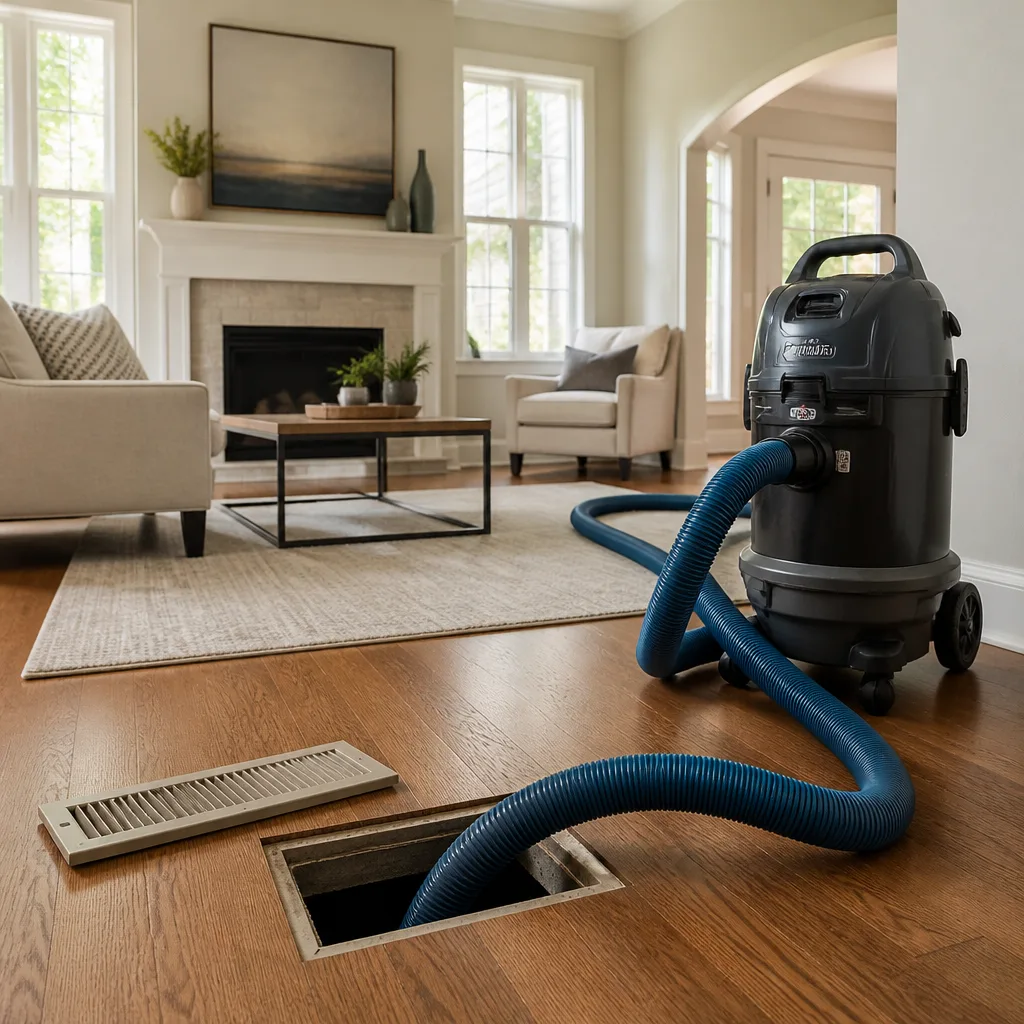 Whole-home duct cleaning
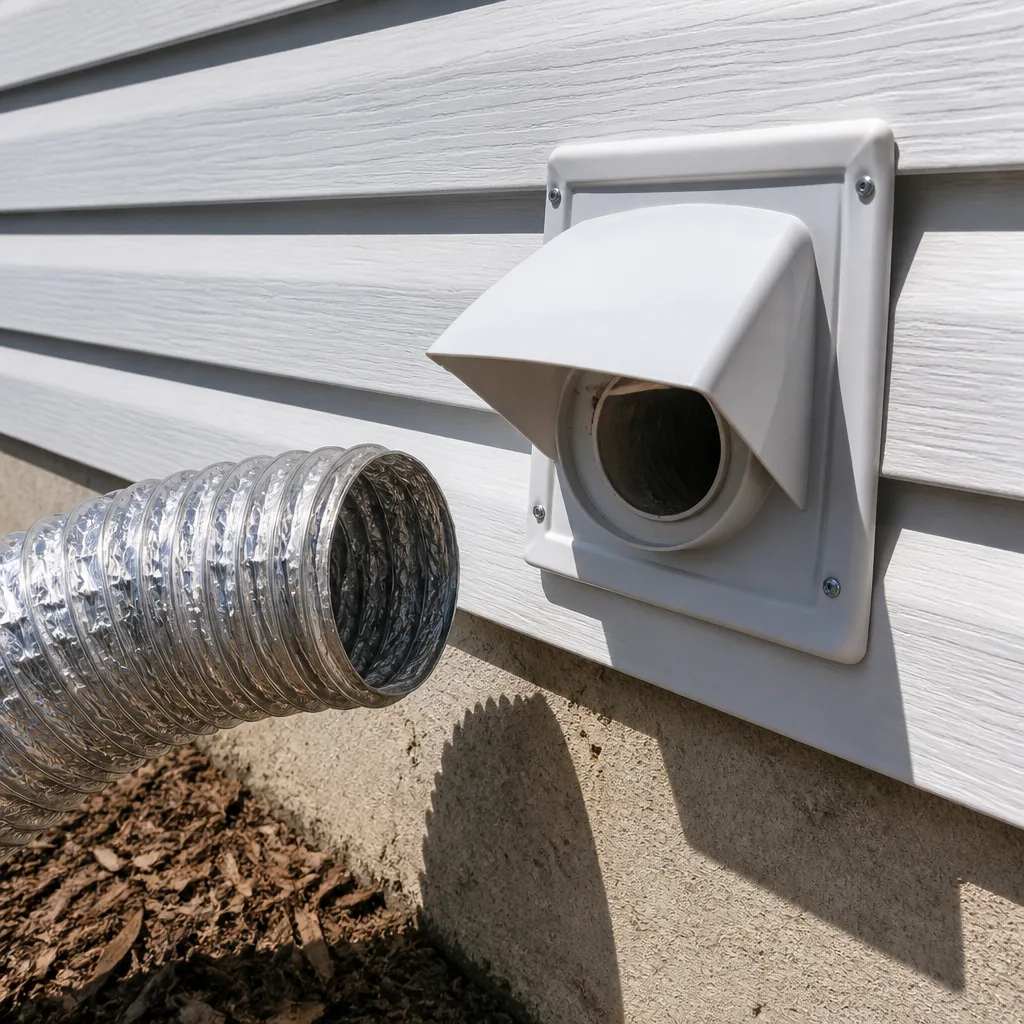 Dryer vent cleaning
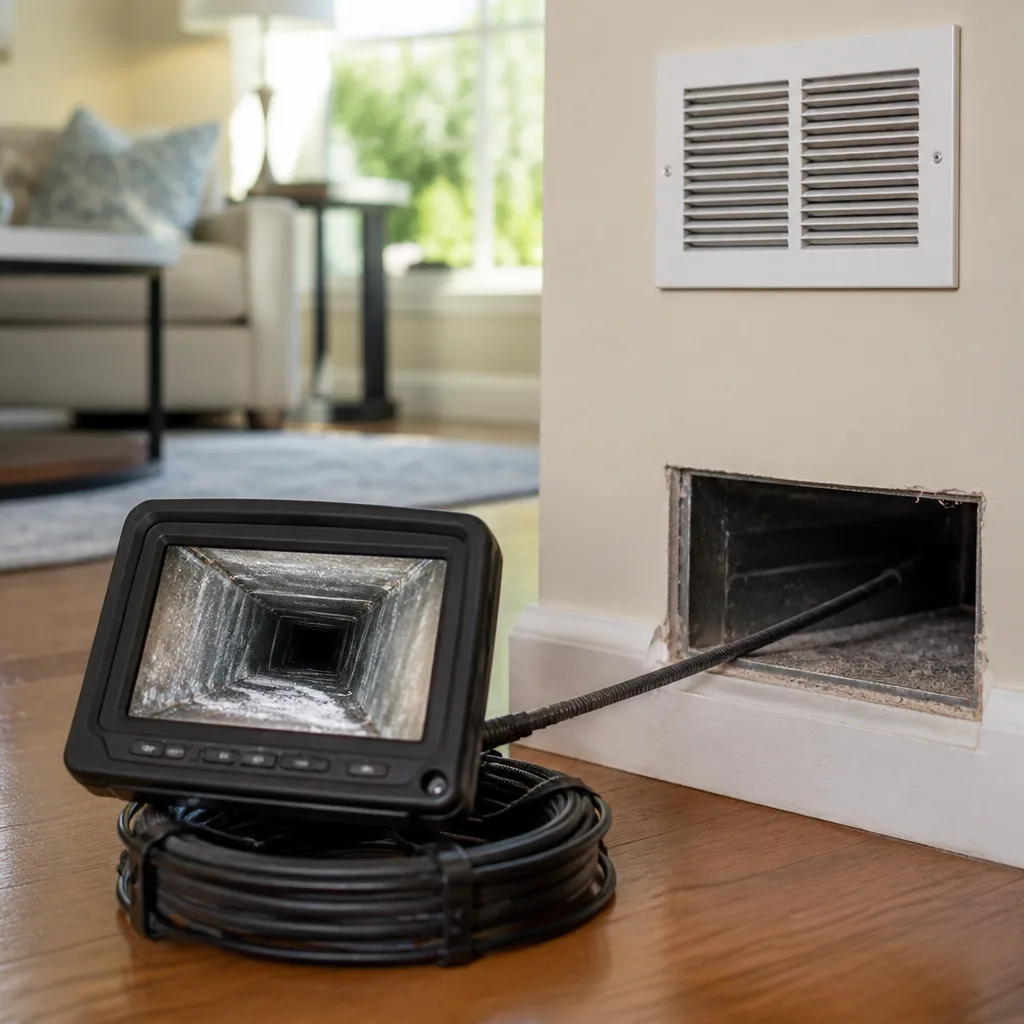 Camera inspection
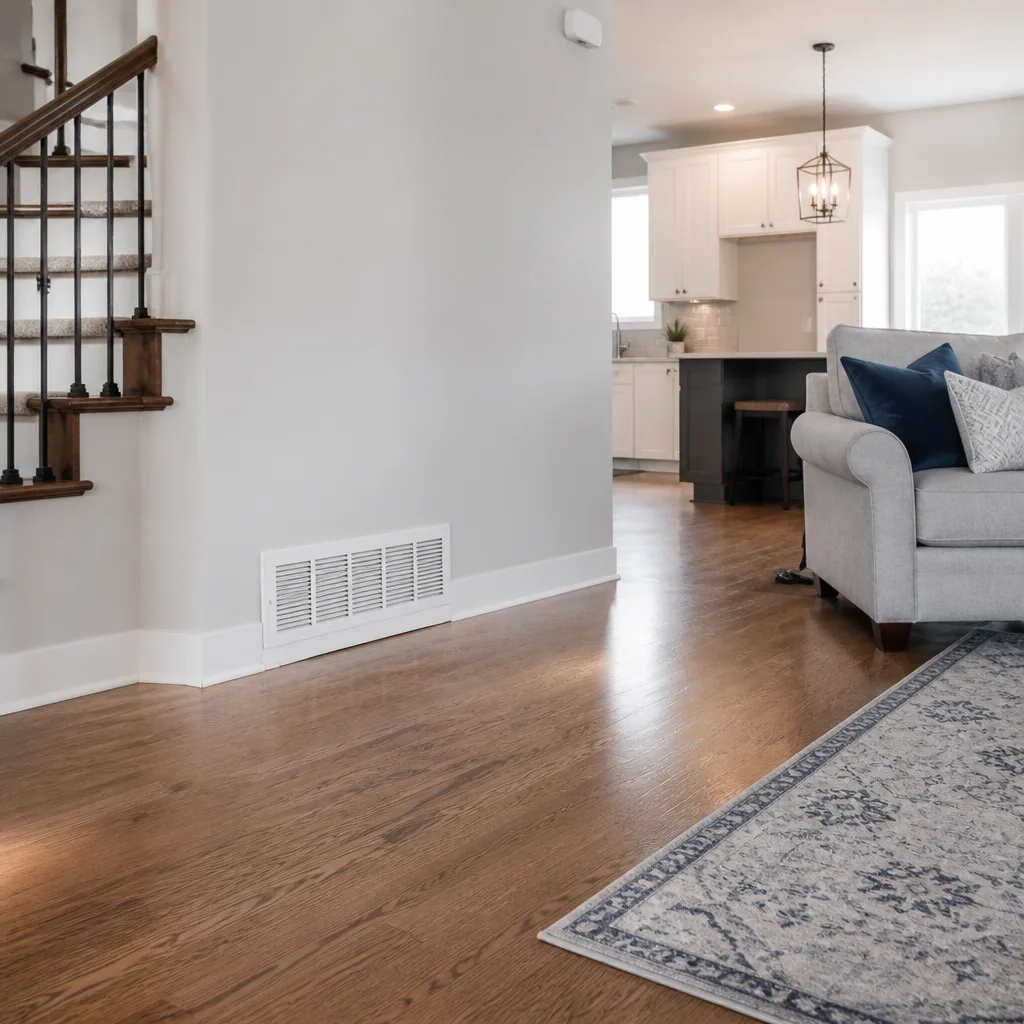 Sanitizing & deodorizing
Whole-system duct and dryer vent check with before-and-after photos - you see exactly what came out of your vents
That "$99 whole-house special" is a bait ad - the real number appears once they are in your hallway, or the "clean" is a shop-vac at the register. We photograph the inside of your ducts before and after instead.
How to Hire an Air Duct Cleaning Contractor in Bellevue: A Step-by-Step Guide
A shop-vac, a van, and a website is all it takes to call yourself an air duct cleaner in Washington State. There’s no trade license required for duct cleaning here, which means the hiring decision rests entirely on you, not on a state board that vetted the company before you did. That’s the uncomfortable part most guides skip past. What follows is the framework we’d use ourselves: the exact equipment questions to ask, how to read a quote, what a real pre-job walkthrough looks like, and how to handle the moment a contractor says your ducts need repair. Read it before you make a single call in Bellevue.
Quick Answer
To hire an air duct cleaning contractor in Bellevue, verify the equipment before you discuss price: ask what vacuum system and brush system they’ll use, confirm containment (negative air pressure or HEPA capture), and get the scope in writing so you know whether repair is included. Then compare whole-system quotes, not per-vent teaser prices, and insist on before-and-after photos of your own ducts. A contractor who can’t answer the equipment questions clearly is not the one to hire.
Styles & brands we work with
- Whole-home duct cleaning
- Dryer vent cleaning
- Camera inspection
- Sanitizing & deodorizing
Table of Contents
- Why Vetting Matters More in Washington Than You’d Expect
- The Equipment Questions to Ask (and Why “Truck-Mounted Vacuum” Means Little)
- How to Verify NADCA Membership and Why It’s a Floor, Not a Ceiling
- What a Legitimate Pre-Job Walkthrough Looks Like
- Red Flags in Quotes: Why Low Prices Signal a Scope Problem
- How to Handle the Duct Repair Conversation
- Why Dryer Vent Cleaning Belongs in the Same Conversation
- How to Confirm the Work Was Actually Done
Why Vetting Matters More in Washington Than You’d Expect
Most home services in Washington require a contractor registration and a specialty license through the state Department of Labor & Industries. Duct cleaning is a gray area. That’s the structural reason this guide exists: the barrier to entry is low, so the difference between a professional and a pretender is equipment and method, not paperwork. You have to check those yourself.
In Bellevue specifically, the housing stock makes it worse. The city has a wide mix of older mid-century homes around neighborhoods like Crossroads and Lake Hills alongside newer construction and dense downtown condos. Older ductwork is more likely to have disconnected joints, crushed flex runs, or gaps at the plenum. A contractor who’s only set up to clean, with no repair capability, will clean a compromised system and leave the actual problem in place. You breathe the result.
Add the local climate to the picture. Bellevue’s damp, cool stretch from fall through spring means your HVAC system runs hard for months, and moisture in a duct system encourages biological growth on the interior liner. That makes containment and proper extraction more important, not less. Dislodging debris without capturing it at the source just redistributes it into the living space. When we talk about duct cleaning in Bellevue, this is what we mean: built for the local system, not a generic sweep.
The takeaway is simple. In a market with no licensing floor, the equipment and the method are your vetting criteria. Learn to read both.
The Equipment Questions to Ask (and Why “Truck-Mounted Vacuum” Means Little)
“We use a truck-mounted vacuum” is not an answer. It’s a category. A truck-mounted unit can be excellent or barely adequate depending on its CFM rating (cubic feet per minute of airflow) and whether the contractor pairs it with a proper agitation system. Ask these questions, in order, and listen for specifics rather than adjectives.
- What’s the vacuum setup, and what CFM does it deliver? A professional system moves enough air to actually pull dislodged debris out of the plenum and trunk lines, not just the branch nearest the hose.
- What agitation system do you use? Vacuum alone won’t loosen caked dust from duct walls. Ask about the brush system. Rotary brush equipment such as air duct cleaning tools like the Rotobrush family is designed for mechanical agitation and simultaneous extraction, which is a different process than a hose and a wand.
- Do you use HEPA-rated equipment? HEPA filtration captures fine particulate instead of blowing it back into the room. Nikro systems are one example of HEPA-rated equipment you may hear named.
- How do you contain the work area? This is the question most homeowners never ask. Abatement Technologies equipment is a containment-first approach: negative air pressure keeps dislodged debris captured rather than redistributed through the home.
- What’s the total scope? Is this cleaning only, or can they repair compromised ductwork they find? A one-trick provider leaves a broken system cleaned but broken.
Listen for the words “negative pressure,” “HEPA,” and “agitation.” If the answer is a brand name with no explanation of what it does, press. A competent contractor can tell you why the equipment matters, not just what it’s called. Commercial-grade equipment brought to your home is the standard to hold them to.
How to Verify NADCA Membership and Why It’s a Floor, Not a Ceiling
The National Air Duct Cleaners Association (NADCA) is the trade body for this industry, and membership is one signal worth checking. Verify it the same way you’d verify anything: independently. Ask for the company name and look it up on NADCA’s own directory rather than trusting a logo on a website. A logo is an image file. Membership is a listing you can confirm.
Here’s the honest part. NADCA membership tells you the contractor cared enough to join a trade organization and, in most cases, follows its published standards for the work. It does not tell you which equipment they’ll bring to your Bellevue home, how much experience the technicians have, or whether the quote you’re comparing is a whole-system price or a per-vent teaser. Those are the questions that decide whether the job is done correctly.
So treat membership as a floor. It filters out the most casual operators. Then apply the equipment questions from the previous section as the real test. In our experience, a contractor with genuine method is happy to talk about CFM, brush systems, and containment because those details are what they’re proud of. The ones who can’t are usually the ones you don’t want anyway.
What a Legitimate Pre-Job Walkthrough Looks Like
Before anyone quotes a price, a legitimate contractor walks the system with you. This isn’t a formality; it’s how they determine scope, and it’s how you tell a professional from a speed-quoter. Watch for these steps during the walkthrough.
- They look at the furnace and air handler. The plenum connection and the filter setup tell them a lot about the system’s condition and airflow.
- They count and inspect the supply and return registers by room. Bellvue homes vary widely in layout, so they should be mapping your specific system, not estimating from square footage.
- They check the accessible ductwork. In basements, attics, or crawlspaces, they should be looking for disconnected joints, crushed flex runs, gaps at the plenum, and signs of moisture.
- They ask about the home. Pets, recent renovation dust, allergies in the household, and how long since the last cleaning all factor into what the system needs.
- They explain what they found before quoting. You should hear the plan in plain language and know whether repair is part of the scope.
A contractor who quotes over the phone without seeing the system, or who arrives and immediately starts working with no walkthrough, is skipping the part that determines whether the job will actually be done right. In a market with no licensing requirement, the walkthrough is your best chance to see the method before you pay for it.
Red Flags in Quotes: Why Low Prices Signal a Scope Problem
An unusually low price for duct cleaning almost always means a scope problem, not a bargain. The contractor can only deliver a low number by doing less: fewer registers, no agitation, no containment, or a setup that adds cost once they’re in your home and “discover” more work. The invoice isn’t low. The quote was.
Here’s what to watch for:
- Per-vent pricing. A price that scales with the number of vents pushes the contractor to count fast rather than clean properly. Ask for a whole-system price and a written scope.
- No containment discussion. If the contractor can’t explain how debris stays captured during the job, assume it won’t be.
- Vague equipment answers. “We have the best equipment” is not an answer. Neither is “big truck.” You want CFM, brush system, and filtration named.
- A quote with no walkthrough. A contractor who prices your entire Bellevue home system over the phone hasn’t seen it. That’s the quote you can’t trust.
- Pressure to add services on-site. Upselling is fine. Being told the price will double once the work starts, with no discussion beforehand, isn’t.
- No mention of photos. A contractor who does the work right wants to show you the before-and-after. If they don’t offer it, ask.
Fair pricing is not the same as cheap pricing. A quality job costs what it costs because it involves real equipment, proper containment, and technicians who know what they’re doing. Our technicians have up to 14 years of experience, and that time is spent on method, not on shortcuts. When you get a whole-system quote with a clear scope and a written estimate, you’re comparing like with like.
How to Handle the Duct Repair Conversation
At some point during cleaning, a contractor may find compromised ductwork: a disconnected joint, a crushed run, a gap at the plenum, failed tape or mastic. This is normal in older Bellevue homes, and it’s where hiring a provider who also does repair changes the outcome. The conversation should follow a clear order. Here’s how to structure it.
- Ask them to show you the problem. A photo or a direct look at the joint beats a verbal description. If they can’t show it, ask why.
- Get the repair scope in writing. What exactly will be repaired, how, and with what materials? Reconnecting a joint and sealing it properly is different from a patch.
- Separate the cleaning price from the repair price. You should be able to see each on the estimate. “It’ll be a bit more” is not a number.
- Ask whether cleaning first would make the repair pointless. A good contractor will tell you if the system should be repaired before or after cleaning, and why.
- Decide with the estimate in hand. Nothing gets added to your bill without your agreement to the written scope.
The reason this matters: duct repair is not a separate skill set bolted onto cleaning for us. It’s part of the same job. We repair what others walk past. Cleaning a system with a broken joint and leaving it broken means the dust you paid to remove comes right back through the gap. In Bellevue’s damp climate, a disconnected duct in a crawlspace can also pull moist air into the system, which is a recipe for exactly the conditions you were trying to fix.
If a contractor finds problems and can only clean, ask who they’d recommend for repair and get that scope worked out before the cleaning happens. One call covering both is simpler and usually cheaper than two.
Why Dryer Vent Cleaning Belongs in the Same Conversation
Dryer vents get left out of most duct cleaning conversations, and that’s a mistake. A clogged dryer vent is a documented fire risk, and lint accumulation is a problem in a busy household with anyone who does laundry often. When you’re already having someone examine your HVAC ductwork, ask about dryer vent cleaning in the same appointment. It’s a core part of the work, not an afterthought add-on.
The equipment questions apply here too. The same rotary brush and vacuum systems that clear supply and return ducts can clear a dryer vent run, and the containment approach keeps lint out of the laundry room. If the contractor offers it, ask how they handle the dryer specifically. If they don’t offer it, that’s useful information too: it tells you their scope is limited.
For a Bellevue homeowner, the practical point is that one qualified provider handling cleaning, venting, and repair under one appointment is easier to vet than three separate companies, and it’s the same vetting framework applied to the same equipment.
How to Confirm the Work Was Actually Done
After the job, the proof matters as much as the process. Before-and-after photos of your own ducts, not stock photos, are the baseline. Ask to see them, and ask what changed. A few other checks:
- Walk the supply and return registers yourself. Any debris left in the boot or around the register face after cleaning is a sign of a rushed job.
- Check that any identified repairs were made and sealed to the scope you agreed to.
- Ask for the system readings or observations the technician noted, especially airflow at registers before and after.
- Confirm the invoice matches the written estimate. Anything added should have been discussed and agreed first.
How often should this be done? For most Bellevue homes, a cleaning every few years is a reasonable baseline, more often if you have pets, allergies, recent renovations, or a smoker in the house. Your technician can give you a specific interval based on what they find. The key point is that verification isn’t suspicious; it’s part of hiring correctly. A contractor who expects it will make it easy.
Common Mistakes to Avoid
- Hiring on price alone. A low quote in Bellevue almost always signals a scope problem, not a discount. Compare whole-system scope, not the first number you see.
- Not asking about containment. If debris isn’t captured at the source, it ends up in your living space. Ask how negative pressure and HEPA filtration are used.
- Accepting “truck-mounted vacuum” as a complete answer. Ask for CFM and the brush system. A truck is a container; the equipment inside it is what does the work.
- Skipping the pre-job walkthrough. In a city with no licensing barrier, the walkthrough is where you see the method. A contractor who quotes without seeing the system hasn’t quoted your system.
- Forgetting the dryer vent. Lint buildup is a fire risk and easy to overlook. Add it to the scope when you schedule cleaning.
- Leaving repair out of the scope. Cleaning a duct with a broken joint means the dust returns. Ask who handles repair before the job starts.
- Not asking for before-and-after photos. Stock photos prove nothing. Ask for photos of your ducts, before and after, as part of the job.
See the difference
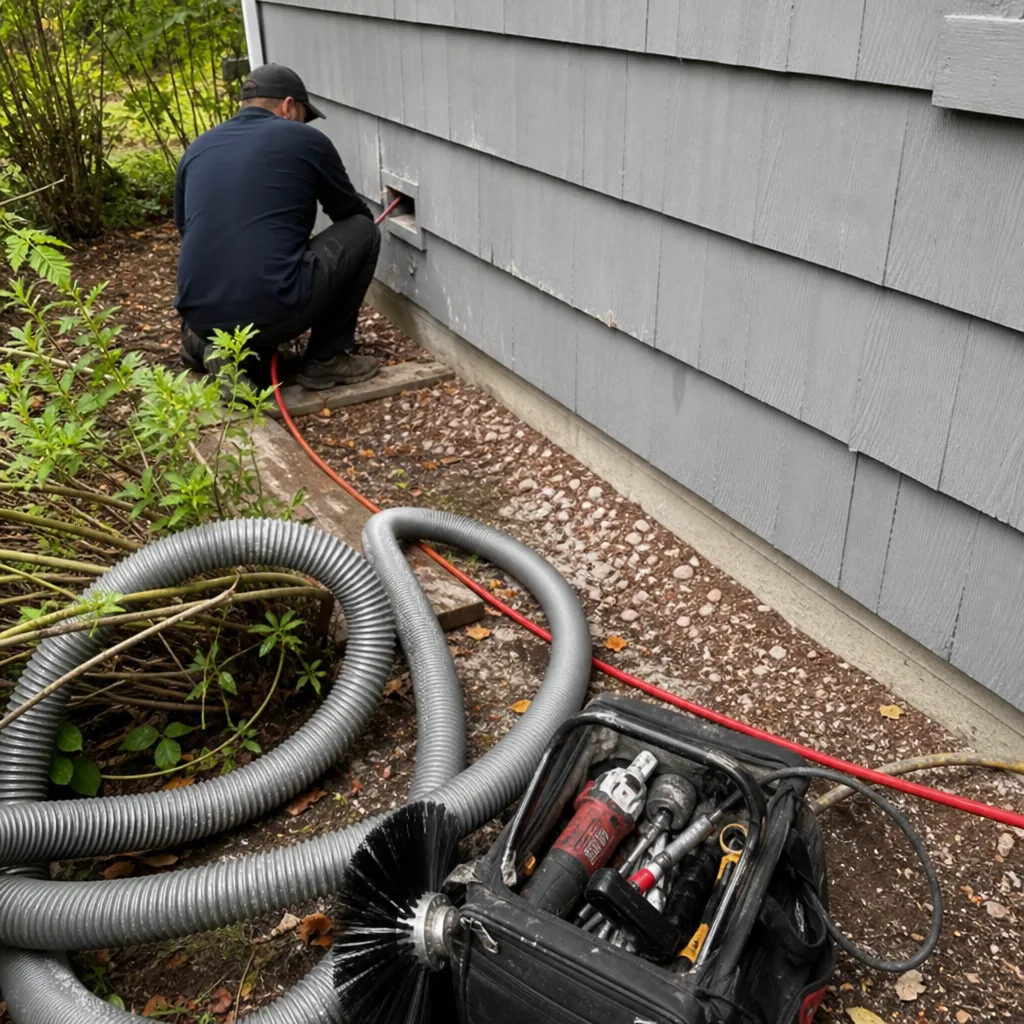 Before
 After
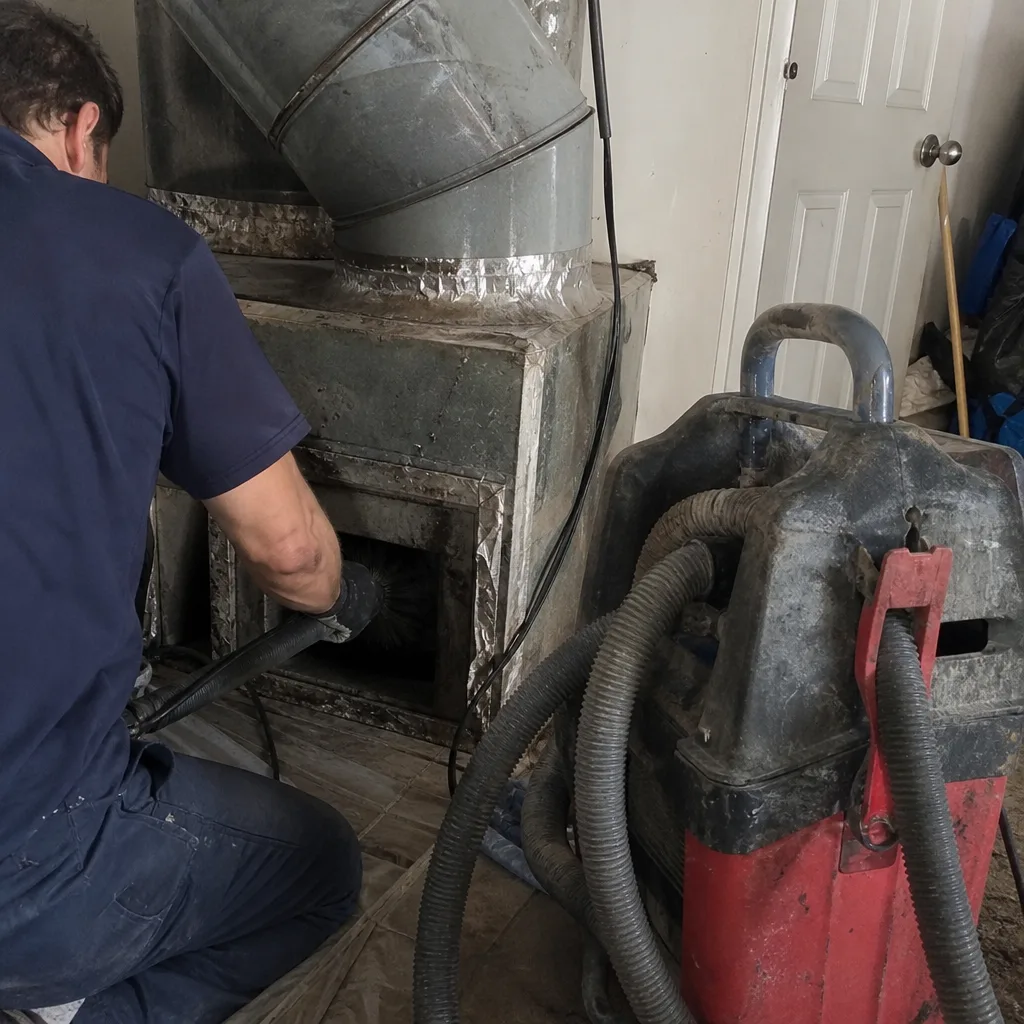 Before
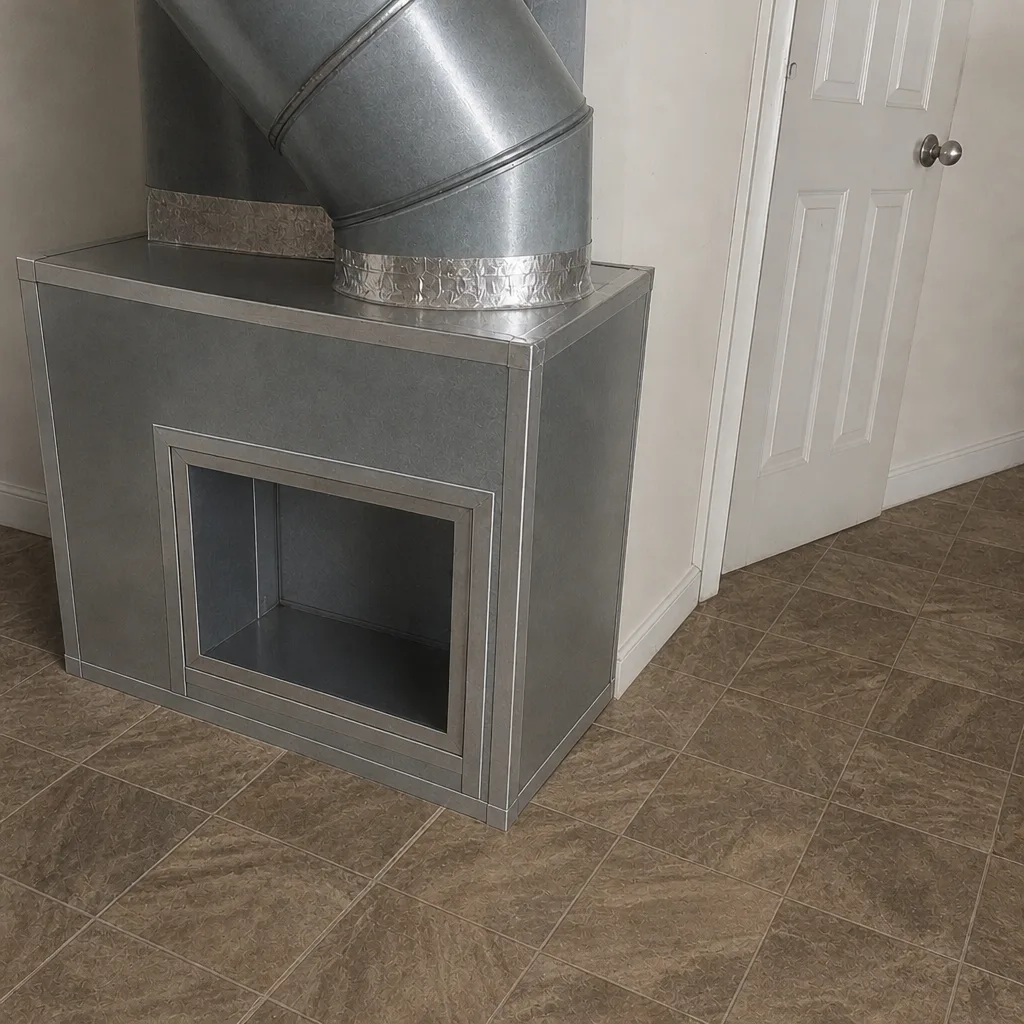 After
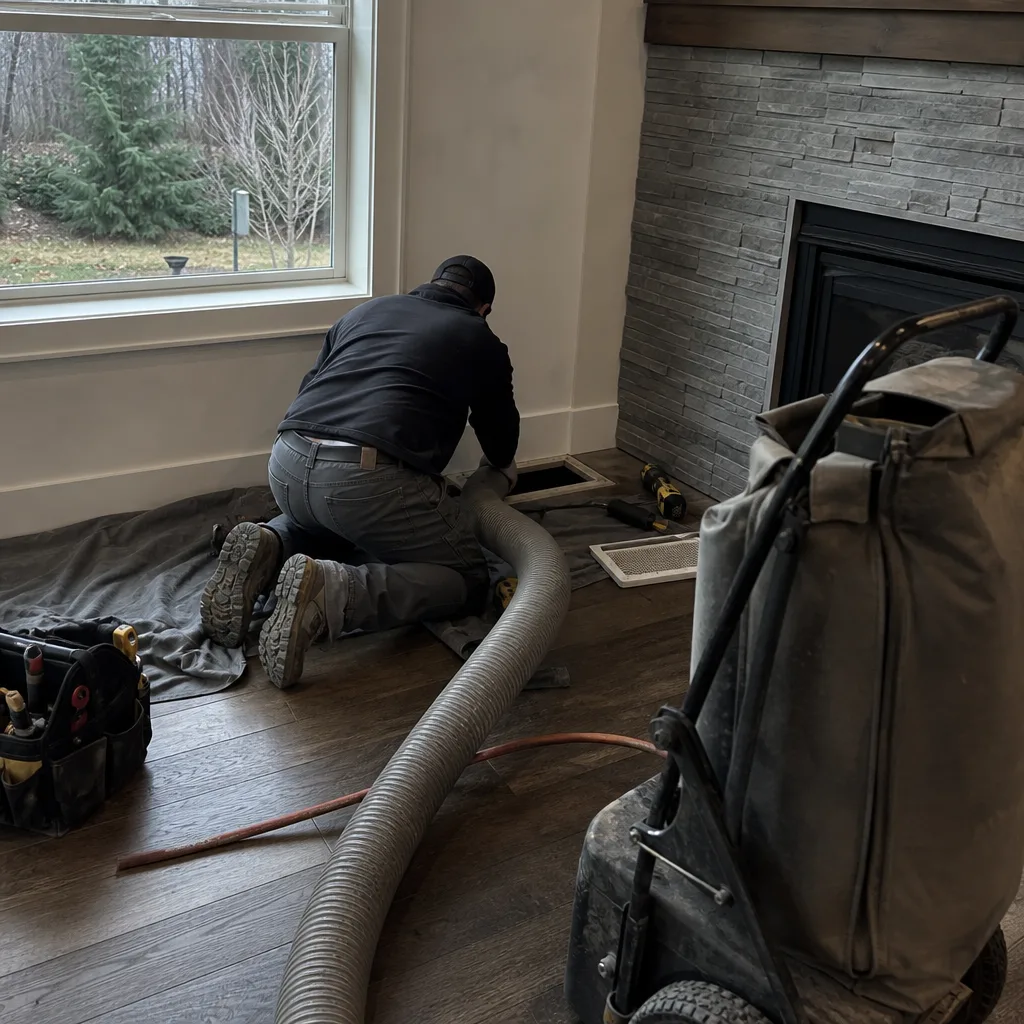 Before
 After
When to Call a Professional
Some duct issues you can live with for a while. Others you shouldn’t. Call a professional when you notice visible dust streaking from registers after the system runs, musty or damp odors when the heat or AC comes on, a noticeable drop in airflow to certain rooms, or allergy and respiratory symptoms that seem worse indoors. Call sooner if you’ve had a renovation with drywall dust, if your Bellevue home has never had the ducts cleaned, if you see disconnected or crushed duct runs in the attic or crawlspace, or if your dryer takes noticeably longer to dry a load than it used to. Each of these points to a system issue that a proper inspection can diagnose. Duct Cleaning Bellevue offers free estimates in Bellevue. Call (833) 454-4523. We answer 24/7.
Frequently Asked Questions
Most whole-system cleaning in the Bellevue area falls in a mid-hundreds-to-low-four-figures range depending on the number of registers, the size of the system, and whether repair or dryer vent work is included. Per-vent pricing pushes the number in unpredictable ways, so ask for a whole-system quote instead. The written estimate sets the final price, and it’s agreed before the work starts. Call (833) 454-4523 for an exact quote. Estimates are free.
Cheap quotes almost always reflect a smaller scope: fewer registers, no agitation, no containment, or a price that grows once the technician is in your home and finds more work. The invoice isn’t low; the quote was. Compare what’s actually included, ask about equipment and containment, and treat a suspiciously low number as a question, not a deal. Call (833) 454-4523 to talk through scope before you book.
Ask for before-and-after photos of your own ducts, not stock images. Walk the registers yourself and look for leftover debris, confirm any repairs were made to the agreed scope, and check that the invoice matches the written estimate. A contractor with proper method will make this verification easy. Call (833) 454-4523 to schedule and see the process for yourself.
For most homes, every few years is a reasonable baseline. More often if you have pets, allergies, recent renovations, or a smoker, and more often in older Bellevue homes where ductwork is more likely to have gaps. Your technician can recommend an interval based on what they find. Call (833) 454-4523 to get a system-specific recommendation.
No trade license is specifically required for duct cleaning in Washington, which is why the equipment and method questions in this guide matter so much. Instead of checking a license number, verify NADCA membership independently and ask about the vacuum, brush system, and containment setup. That’s the vetting framework that actually works here. Call (833) 454-4523 if you want to talk through what to look for.
Yes, if you’re already scheduling duct work. Dryer vent lint buildup is a documented fire risk and is easy to include in the same appointment. Ask the contractor how they handle the vent run and whether it’s part of their core scope. Duct Cleaning Bellevue includes dryer vent cleaning as standard work. Call (833) 454-4523 to book both.
The Bottom Line
Hiring an air duct cleaning contractor in Bellevue comes down to a small checklist. Verify NADCA membership independently, but don’t stop there. Ask about CFM, brush systems, HEPA filtration, and containment, then listen for whether the answers sound like method or marketing. Insist on a pre-job walkthrough and a whole-system quote with a written scope. Treat unusually low prices as scope questions. And when repair comes up, get it in writing before anyone starts work. If you want a straightforward estimate and a conversation about the equipment we use, call (833) 454-4523. We answer 24/7. Fast dispatch from 7am to 7pm, Sunday through Friday. Estimates are free.
Written by the team at Duct Cleaning Bellevue.