
Last updated November 15, 2026
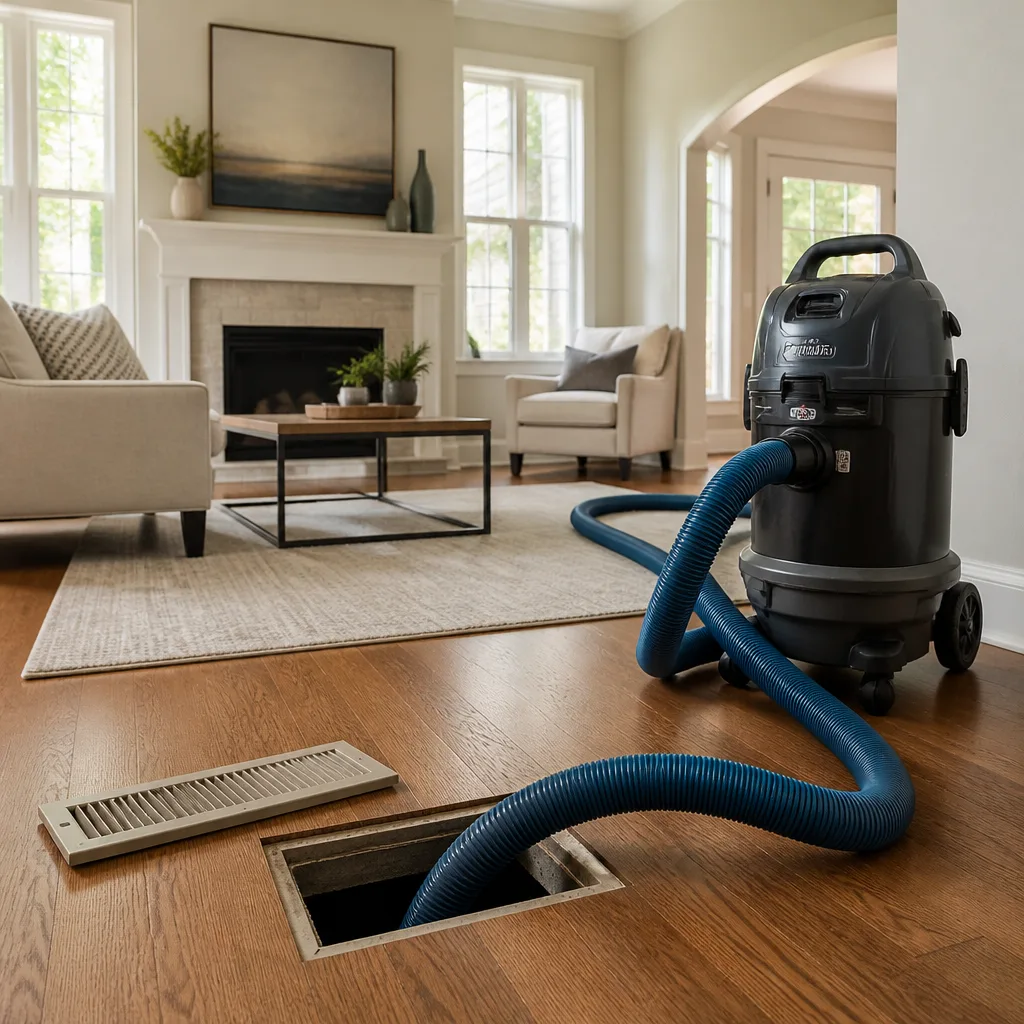 Whole-home duct cleaning
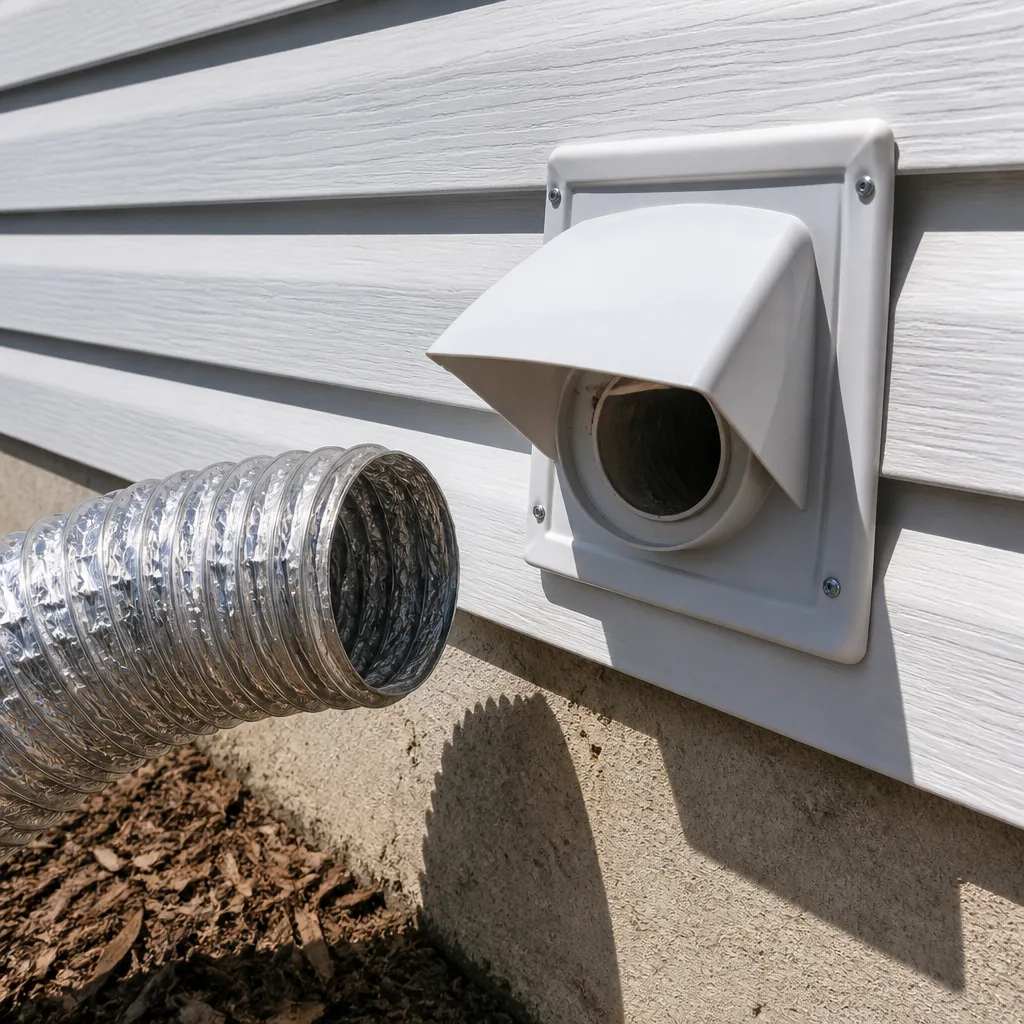 Dryer vent cleaning
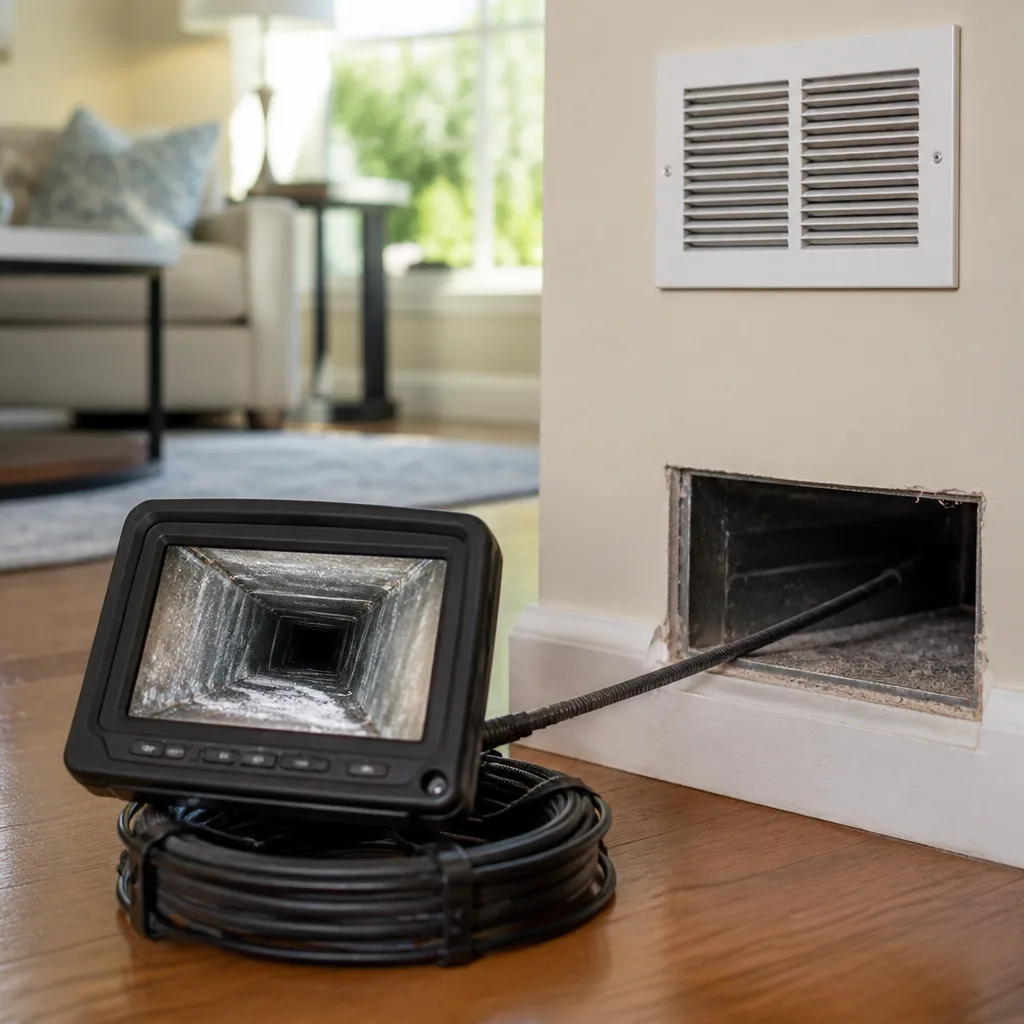 Camera inspection
 Sanitizing & deodorizing
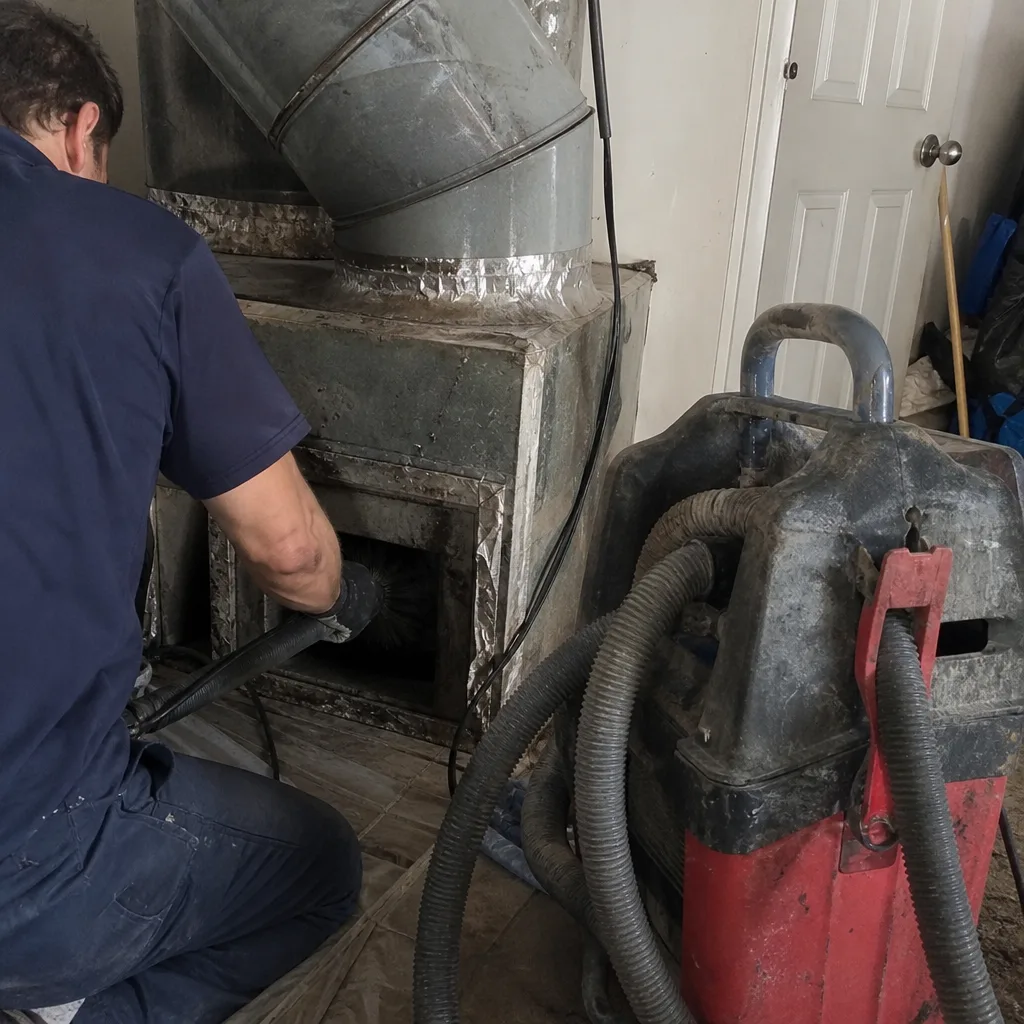
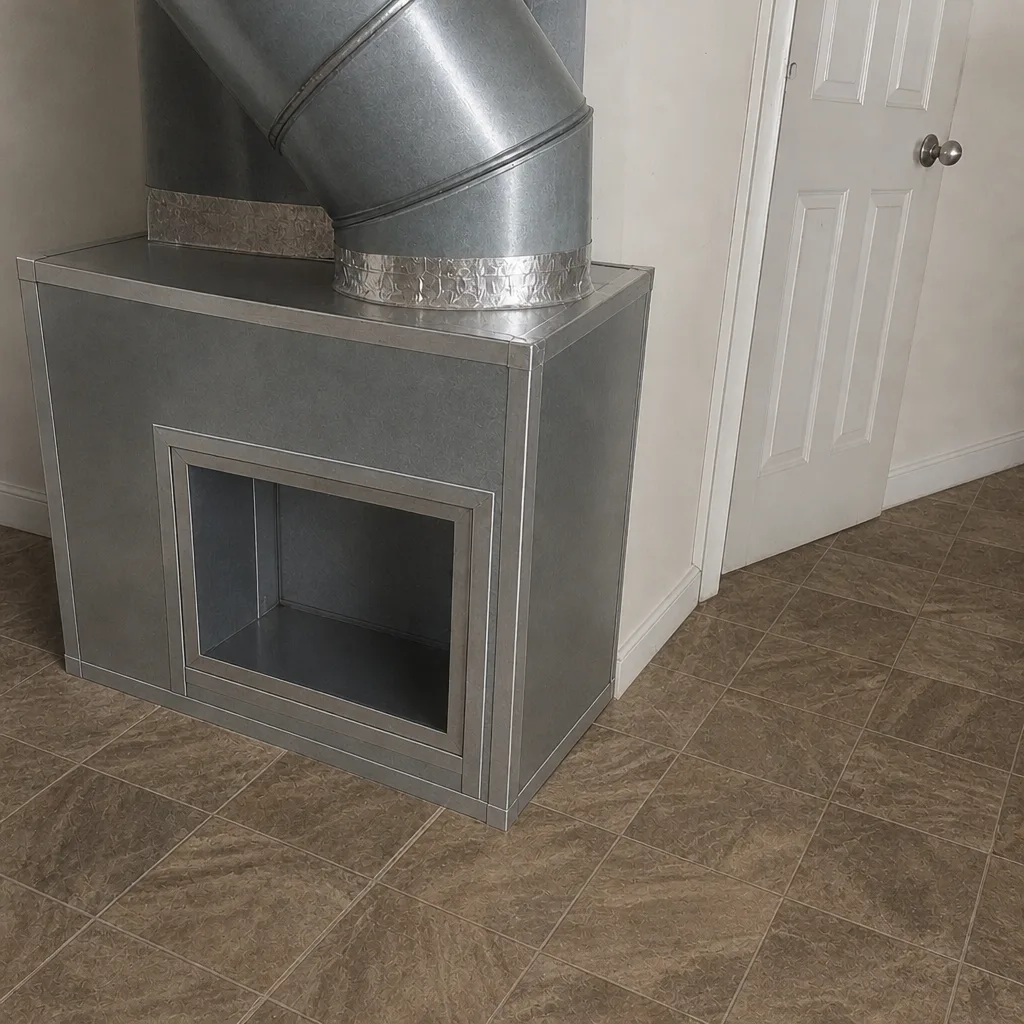
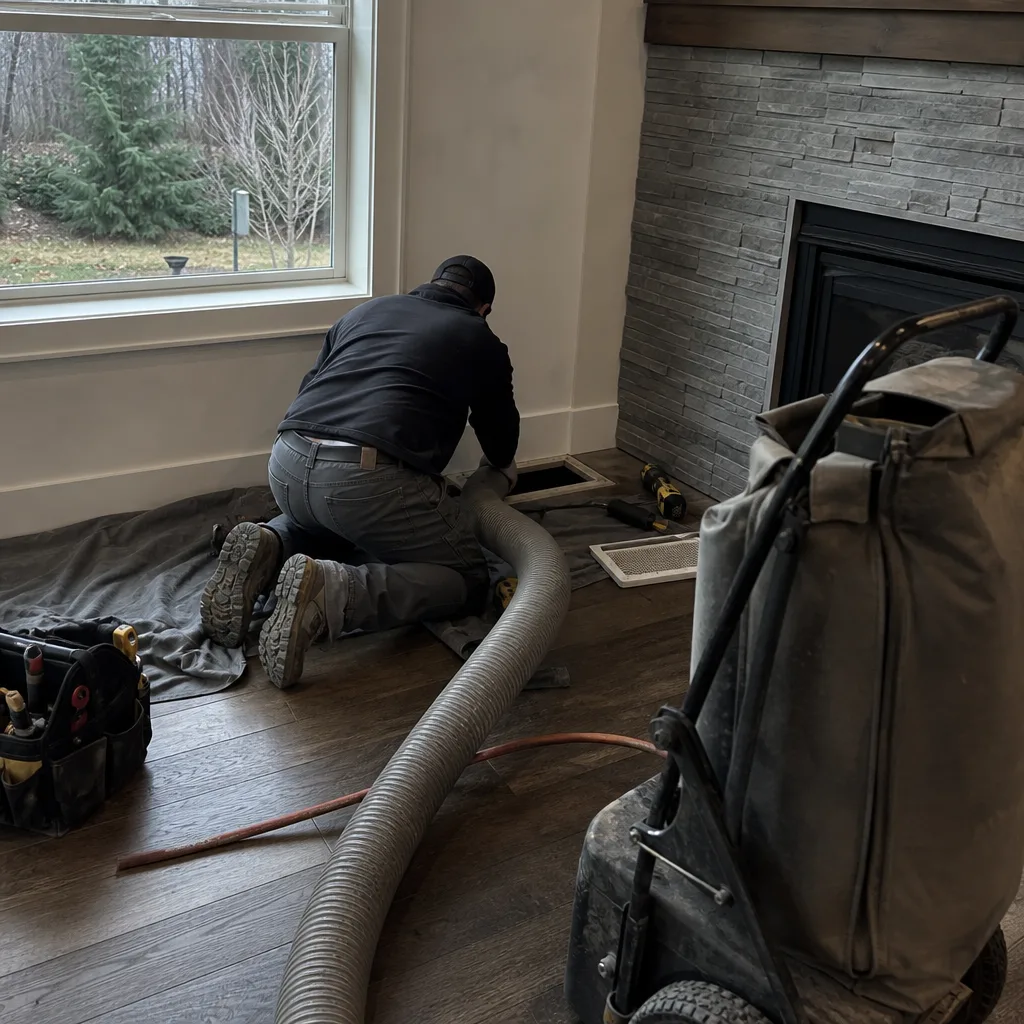
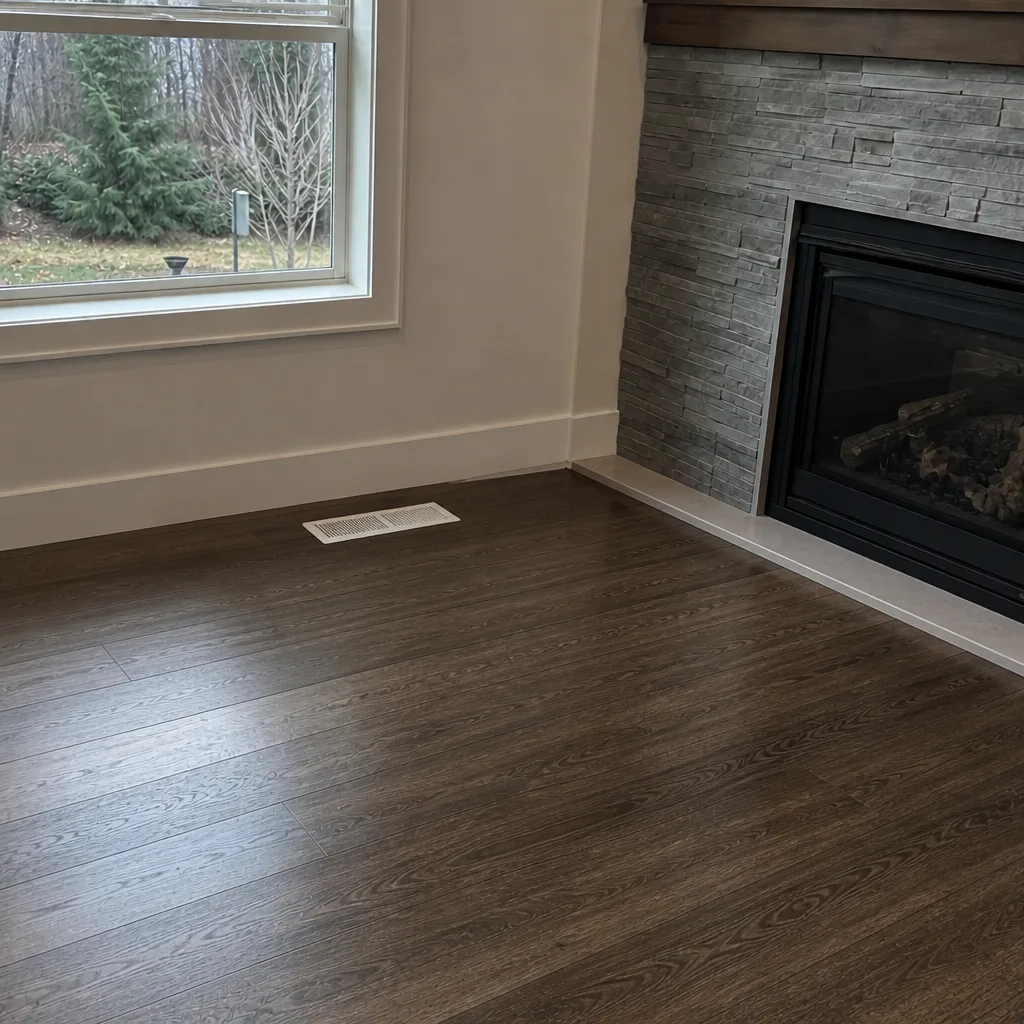
Whole-system duct and dryer vent check with before-and-after photos - you see exactly what came out of your vents
That "$99 whole-house special" is a bait ad - the real number appears once they are in your hallway, or the "clean" is a shop-vac at the register. We photograph the inside of your ducts before and after instead.
The Complete Guide to Air Duct Cleaning in Bellevue
The EPA does not recommend air duct cleaning on a routine schedule, and that single fact reshapes the whole conversation. Every company selling an annual maintenance contract is working around that guidance, not with it. So the real question isn’t whether you should clean your ducts this year. It’s what a legitimate cleaning actually involves, how you’d know one happened, and how to tell a source-removal job from a surface wipe-down with a shop-vac. This guide walks through NADCA standards, what Bellevue’s wet climate does to ductwork, how to read a post-cleaning report, and when cleaning alone won’t solve the problem.
Quick Answer
A legitimate air duct cleaning in Bellevue means source removal: mechanical agitation of every duct surface combined with HEPA-rated vacuum extraction and containment, so dislodged debris leaves the system instead of settling back into your rooms. NADCA standards call for cleaning the entire system, not just the branches you can reach, and for documenting the work with before-and-after evidence. If a quote promises a vague low price per vent with no containment and no report, you’re looking at surface cleaning, not source removal.
Styles & brands we work with
- Whole-home duct cleaning
- Dryer vent cleaning
- Camera inspection
- Sanitizing & deodorizing
Table of Contents
- What NADCA standards actually require
- Why Bellevue’s climate changes the job
- Source removal versus surface cleaning
- The equipment that separates a real job from a sales visit
- How a proper cleaning actually goes, step by step
- How to read a post-cleaning report
- When cleaning isn’t enough and repair is the missing piece
- Dryer vent cleaning: the fire-safety service that gets skipped
What NADCA Standards Actually Require
The National Air Duct Cleaners Association publishes the standard most credible contractors work to, and it’s more demanding than the industry generally admits. NADCA’s guidance is built on source removal and whole-system scope. That means the supply and return ducts, the air handler components that contact airflow, registers, grilles, and the plenum. It also means the method has to actually put the system under vacuum while surfaces are agitated, so loosened material is captured at the source rather than pushed into living space.
What most residential companies actually deliver is narrower. A technician arrives with a portable vacuum and a hose, pulls a few registers, runs a brush down the visible branch lines, and calls it done. Return ducts get skipped because they’re harder to access. The air handler cabinet stays closed. There’s no containment, no negative pressure, and no documentation.
Here’s the gap in plain terms:
- NADCA scope: supply and return sides, plenum, air handler contact surfaces, registers, and grilles, all under vacuum during agitation.
- Typical residential job: branch lines off the main trunk, sometimes only the ones with easy access.
- NADCA documentation: before-and-after evidence and a description of methods used.
- Typical residential job: a verbal “all done” and an invoice.
NADCA does not recommend a fixed cleaning interval for every home. Its position, consistent with the EPA’s, is that you should clean when there’s a documented reason: visible debris, contamination, recent renovation, water intrusion, pest activity, or a system that’s never been cleaned. That’s a different sales model than an annual contract, and it’s the one worth holding contractors to.
If a company can’t tell you what standard they work to and what’s included in the scope, that answer is the answer. For a full picture of how that plays out locally, see Duct Cleaning Bellevue.
Why Bellevue’s Climate Changes the Job
Bellevue sits in a wet, mild, marine-influenced climate where the outdoor air is damp for much of the year and the heating season runs long. That combination produces duct conditions you won’t find in the drier parts of the Pacific Northwest, and it changes what a technician is actually dealing with.
Three local factors matter most.
- Condensation at cold surfaces. In a damp climate, cool metal ductwork and air handler cabinets collect moisture when warm humid air meets them. Damp dust is heavier, sticks to duct walls, and becomes a growth medium in a way dry dust never does.
- Long heating seasons with the house sealed up. When windows stay closed for months at a time, whatever is in the ducts recirculates. That’s the practical argument for cleaning when contamination is present, not the theoretical one.
- Aging housing stock mixed with new construction. Bellevue’s neighborhoods range from mid-century homes in areas like Crossroads and Lake Hills to newer builds in and around downtown and the Spring District. Older homes often have galvanized ductwork with taped or mastic-sealed joints that have dried and failed. Newer homes can have flex duct runs that sag, kink, or pull loose at the collar.
We’ve seen both patterns on the same block. Neither one shows up on a visual inspection of the register. If your home sits in a low-lying area near the lake or under mature tree canopy, pollen, leaf debris, and fine soil can also find their way into the return side during shoulder seasons when the system runs with windows open.
The takeaway for Bellevue homeowners: moisture-driven contamination and failed duct seals are common, and a cleaning that doesn’t address the seal or the moisture source leaves the problem in place. That’s why we repair what others walk past. More on that below.
Source Removal Versus Surface Cleaning: The Only Distinction That Matters
Every conversation about duct cleaning comes down to one question. Did the contamination leave the system, or did it just move around? Source removal means the debris is captured and extracted. Surface cleaning means it’s disturbed.
Surface cleaning usually looks like this. A technician opens a register, runs a whip or brush down a few feet of visible duct, and vacuums the opening. The dust that coats the duct walls beyond the first bend is untouched. The main trunk line is often skipped entirely. When the system turns back on, any loosened material that didn’t get captured blows into the room. Homeowners sometimes report more dust after a cheap cleaning than before it, and that’s why.
Here’s how to tell which one you’re buying:
- Containment. A credible job sets up negative air pressure or containment so the work area and the system are under control before anything is agitated. If the technician starts brushing with no vacuum running, stop the job.
- Whole-system access. The technician should open access points on the main trunk, not just the registers. Cutting and resealing access holes is normal practice on a proper cleaning.
- Agitation plus extraction at the same time. Mechanical brushing and HEPA extraction happen together, not in separate passes.
- Return side included. The return ducts carry the dirtiest air in the system. If they’re excluded, the job is incomplete.
- Component cleaning. The blower, the evaporator coil area, and the air handler cabinet contact surfaces are part of the scope when accessible.
One practical note: the register count in your home doesn’t change the amount of contamination in the duct walls. Pricing per vent is a marketing structure, not a method. What changes the job is the size and condition of the system, the level of contamination, and whether access points need to be cut and resealed.
The Equipment That Separates a Real Job From a Sales Visit
You can learn a lot about a duct cleaning company from the van. Consumer-grade shop vacuums and handheld brushes are not duct cleaning equipment. They’re the tools of a surface pass, and they cannot hold a system under meaningful vacuum or capture fine particulate.
Professional work uses commercial-level systems. The tools we use are built for that standard.
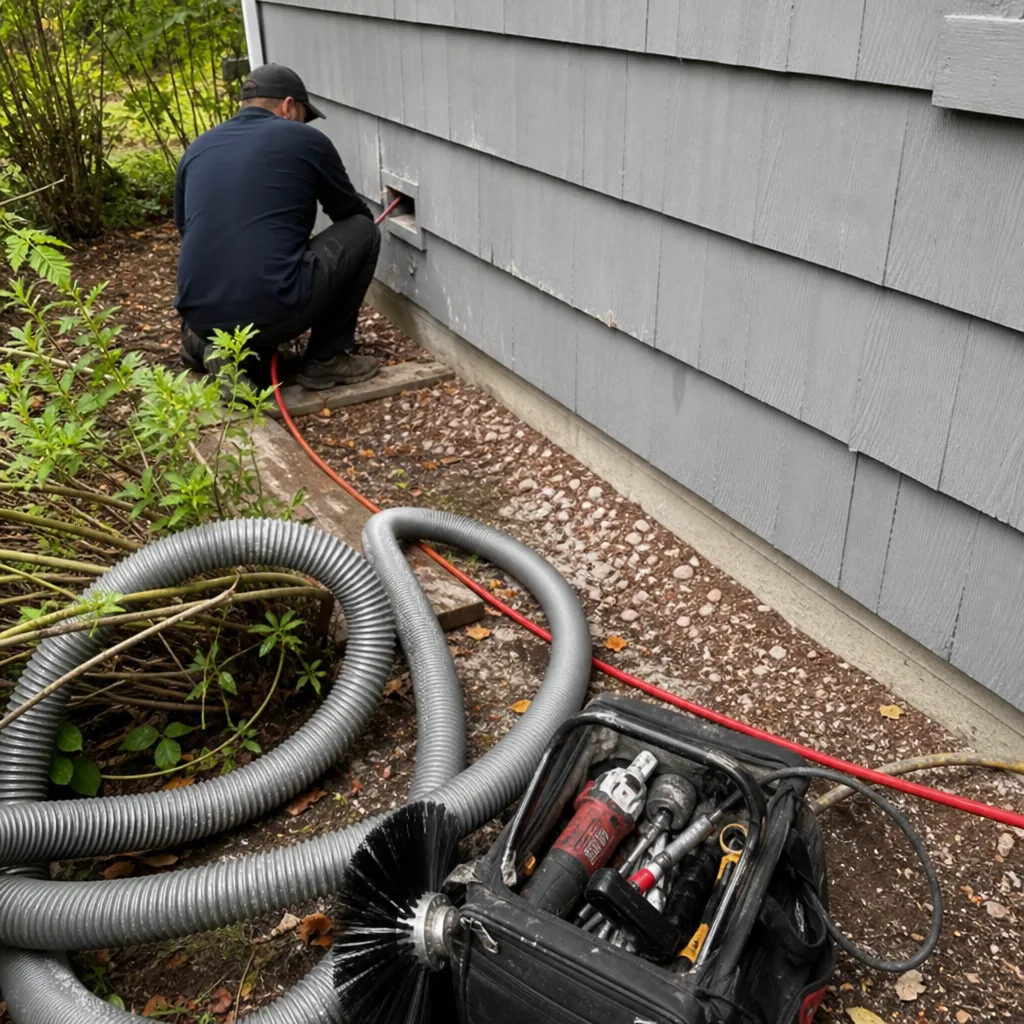
- Rotobrush rotary brush systems combine mechanical agitation with simultaneous extraction. The brush contacts the duct wall and loosens material while the vacuum captures it at the same point, which is the whole point of source removal.
- Nikro HEPA-rated equipment captures fine particulate rather than exhausting it back into the home. HEPA filtration is what makes the difference between “we vacuumed” and “we captured.”
- Abatement Technologies equipment handles containment and negative air pressure during the job, so dislodged debris and contaminants are contained at the source rather than redistributed through the house.
Those are the same categories of equipment used in commercial and industrial air quality work. Bringing that class of tool into a residential system is not overkill. It’s the minimum for doing the job the way the standards describe.
Beyond cleaning, indoor air quality upgrades are often part of the conversation. We work with filtration brands including Honeywell and Aprilaire and can talk through media filters, cabinet upgrades, and what actually fits your system rather than what’s on a sales sheet. Filtration doesn’t replace cleaning, but a system with a failed filter frame is a system that’s letting debris past the filter and into the coil.
Ask any contractor what equipment they’ll use and how they handle containment. The answer tells you most of what you need to know before they open a single register in your Bellevue home.
How a Proper Cleaning Actually Goes, Step by Step
A legitimate cleaning has a predictable shape. Not every job is identical, but the sequence shouldn’t surprise you. Here’s what a proper whole-system cleaning involves, and what you should see happening in your home.
- Inspection and system walkthrough. Before any equipment runs, the technician maps the system, identifies the trunk lines, return paths, air handler, and any compromised sections. This is where a repair need usually surfaces.
- Containment setup. Negative pressure or containment goes up first. The work area is protected and the system is put under control before anything is disturbed.
- Register and grille removal. Registers come off and get cleaned separately. Grilles hold a surprising amount of debris and are often skipped.
- Access point creation. Access holes are cut into the trunk and major branches where needed, then sealed afterward. This is routine and part of doing the job correctly.
- Agitation and extraction. Rotary brush and HEPA extraction work the supply side first, then the return side. The order matters because the return is dirtier and you don’t want to reintroduce material.
- Air handler and component cleaning. The blower, the coil area, and the cabinet contact surfaces are cleaned where accessible.
- Sealing and reassembly. Access points are sealed, registers reinstalled, and joints checked. Any discovered duct damage gets documented for repair.
- Documentation. Photos and a written summary of what was cleaned and what was found.
The whole process depends on the size of the system and the level of contamination. A single-system home with moderate debris moves through faster than a large home with failed seals and heavy buildup. Any contractor who gives you a firm number per vent over the phone, without seeing the system, is guessing or selling a fixed package regardless of condition.
If you want a walkthrough of what this looks like in practice, our air duct cleaning page lays out the scope in detail. And if you’re comparing providers across the Eastside, the broader Bellevue pages cover local service details.
How to Read a Post-Cleaning Report
A cleaning you can’t verify is a cleaning you have to take on faith. Most homeowners never ask for documentation, which is exactly why low-effort operators get away with a surface pass. A credible contractor should hand you something you can look at.
Here’s what a useful post-cleaning report contains:
- Before-and-after photos of your own ducts. Not stock images, not a video from a training course. Photos inside your main trunk line and at least one return run, taken before and after.
- Scope of what was cleaned. Which ducts, which components, whether access points were cut, whether the return side was included.
- Method description. The equipment used and how containment was handled. “We cleaned the ducts” is not a method.
- Findings. Anything the technician saw that needs attention: failed seals, disconnected runs, moisture, damaged flex duct, pest evidence, or a coil that needs servicing.
- Recommendations with reasons. Repair items should come with a specific reason, and not every finding should be an upsell.
Two things to check when you look at the photos. First, ask for the main trunk, not just a clean branch. The trunk line is where the real contamination lives. Second, ask whether the photos show the same location before and after. A credible contractor will be able to point to a specific spot and show you the difference.
The report also does something quietly important. It creates a record. If you sell the home or have a warranty conversation later, the documentation protects you.
When Cleaning Isn’t Enough: Repair and Sealing as the Missing Piece
Cleaning a system with compromised ductwork wastes the cleaning. That’s the plain version. If a flex run has pulled loose at the collar, if a boot is disconnected in a wall cavity, or if the trunk has a failed seam, the system is pulling air from the crawlspace, the attic, or a wall cavity and delivering it into your rooms. Cleaning the ducts doesn’t fix that, and a cleaning that ignores it can look thorough while leaving the root problem untouched.
Three problems show up repeatedly in Bellevue homes.
- Failed seals at joints and boots. Tape dries out and mastic cracks over time. In a damp climate, the failure tends to accelerate. When a joint opens, the system loses pressure and draws unconditioned, unfiltered air into the supply.
- Kinked, sagging, or disconnected flex duct. Often found in attic runs and in newer construction where the run was never properly supported. A sagging flex run holds dust at the low point and restricts airflow.
- Moisture at cold surfaces. In a wet climate, a cold duct run in an unconditioned space is a condensation magnet. If the duct wrap or insulation has failed, the surface stays wet, and cleaning the duct without addressing the wrap leaves the moisture source intact.
Signs that repair is the missing piece rather than more cleaning:
- Rooms that are consistently harder to heat or cool than the rest of the house.
- Visible dust streaks near supply registers, which often point to a pressure leak nearby.
- Musty smells that return within days of a cleaning.
- A springy or loose flex duct when you look at it through an access panel.
- Higher-than-expected energy use with no other explanation.
Repair and cleaning belong in the same visit. A provider that only cleans will walk past the disconnected run because fixing it isn’t on the invoice. One call covers cleaning, venting, and repair, and that’s the practical reason to choose a provider that does both. If your home has an older duct system, that combination matters more than any price difference between quotes.
Dryer Vent Cleaning: The Fire-Safety Service That Gets Skipped
Dryer vent cleaning isn’t an add-on. It’s part of a complete indoor air and safety picture, and it’s one of the leading causes of residential fires. Lint builds up inside the vent run, and when it’s exposed to heat and a spark, the conditions for ignition exist. The same damp climate that affects ductwork affects dryer vent lint, which settles and compacts with the seasonal humidity.
The signs a dryer vent needs attention are easy to miss:
- Clothes take longer than one cycle to dry.
- The dryer or the wall behind it gets unusually hot.
- A burning or musty smell in the laundry area.
- Visible lint around the outside vent flap.
- A vent run with multiple elbows, long horizontal stretches, or a run that clearly hasn’t been touched.
Cleaning the dryer vent is a scheduled piece of work, not something to put off. We treat it as a core service rather than a tack-on, and it can be scheduled alongside duct cleaning. If your duct system hasn’t been touched and your vent run hasn’t either, both belong on the same conversation. Our dryer vent cleaning page covers the specifics.
Common Mistakes to Avoid
- Choosing on price per vent. A per-vent quote tells you nothing about scope. The main trunk line is where the contamination lives, and it’s the first thing cut from a bargain job. Ask what’s included in the scope before you ask what it costs.
- Accepting a cleaning with no containment. If the technician starts brushing with no vacuum running and no containment set up, the job is redistributing debris. That’s a stop sign.
- Skipping the return side. Returns carry the dirtiest air in the system. A quote that only covers supply branches is an incomplete job dressed up as a full one.
- Cleaning over a known duct defect. A disconnected run or a failed seal means the cleaning never had a chance. In a wet climate, it also means moisture is likely still entering the system. Repair has to come first or alongside.
- Not asking for before-and-after photos of your own ducts. Stock images and generic videos aren’t proof. Photos of your main trunk before and after are.
- Buying an annual contract on the strength of an urgency pitch. NADCA and the EPA recommend cleaning when there’s a documented reason, not on a fixed schedule. If a company can’t tell you why your specific system needs cleaning now, wait and get a second opinion.
- Ignoring the dryer vent. It’s the fire-safety piece homeowners most often skip, and it’s the easiest one to schedule alongside duct cleaning.
See the difference
 Before
 After
 Before
 After
 Before
 After
When to Call a Professional
Call a professional when you see visible debris coming from a register, when you’ve had water intrusion or a renovation that put dust into the system, when a musty smell persists, when you suspect pest activity, or when you’ve never had the system cleaned and don’t know its history. Also call if a room won’t heat or cool properly, since that’s often a duct problem rather than a cleaning one. Skip the calls pitching a cleaning on a fixed annual schedule with no documented reason, and get an inspection instead. Duct Cleaning Bellevue offers free estimates in Bellevue. Call (833) 454-4523. We answer 24/7. Fast dispatch from 7am to 7pm, Sunday through Friday.
Frequently Asked Questions
Air duct cleaning in Bellevue is priced per system, not per vent, because what drives the job is the size of the system, the level of contamination, and whether access points need to be cut and resealed or repair is needed. Any per-vent price you see in an ad is a marketing structure, not a scope. Get a written estimate that lists what’s actually included: supply and return, main trunk, air handler contact surfaces, and documentation. Call (833) 454-4523 for an exact quote. Estimates are free.
Cheap quotes usually leave out the parts that make a cleaning legitimate: containment, HEPA extraction, the return side, the main trunk, and documentation. What’s left is a surface pass with a portable vacuum. It’s cheaper because less work is done, and the debris that gets loosened often ends up back in the room. A quote that includes the full scope with containment and photos won’t be the lowest number you get. Call (833) 454-4523 and we’ll walk through what a full-scope estimate includes.
You know because you have before-and-after photos of your own ductwork, a written scope of what was cleaned, and a description of the methods and equipment used. Ask for photos of the main trunk line specifically, since that’s where the contamination is heaviest. A credible contractor will also point out findings, including any duct defect that needs repair, with a reason attached. Call (833) 454-4523 to schedule an inspection and see what documentation you’ll receive.
There’s no fixed interval. Both the EPA and NADCA recommend cleaning when there’s a documented reason: visible contamination, water intrusion, renovation dust, pest activity, or a system with unknown history. A Bellevue home in a damp setting with a moisture issue in the ducts may need attention sooner than a newer home with a sealed system and a working filter. Skip the annual contract pitch and ask a contractor to explain why your system needs cleaning now. Call (833) 454-4523 for an inspection-based estimate.
Yes. In a damp climate, cool duct surfaces collect condensation, and damp dust sticks to duct walls and becomes a growth medium rather than staying loose. Bellevue’s long heating season with the house closed up means whatever is in the ducts gets recirculated. That combination makes moisture management part of the job, not a footnote. If a seal has failed or duct wrap has degraded, cleaning without addressing it leaves the moisture source in place. Call (833) 454-4523 for an estimate that covers both.
Yes, if the vent run hasn’t been cleaned recently. Dryer vent lint is a leading cause of residential fires, and lint buildup happens slowly enough that most homeowners don’t notice until drying times lengthen. Scheduling it alongside duct cleaning means one visit and one inspection of the whole air and venting picture. Call (833) 454-4523 for a combined estimate.
The Bottom Line
The duct cleaning question isn’t whether to clean but whether the job you buy is real. The EPA doesn’t recommend a routine schedule, so any contractor selling one on urgency is selling around the evidence. What matters is source removal with containment and HEPA extraction, the full system including the return side and main trunk, and documentation with photos of your own ducts. In Bellevue, that also means looking at the ductwork itself. A wet climate finds failed seals and moisture problems, and cleaning a compromised system wastes the money. Repair and cleaning belong together. That’s the standard to hold us and everyone else to.
If you’re ready for a written estimate that lays out the scope, call Duct Cleaning Bellevue at (833) 454-4523 for a free estimate. We answer 24/7. Fast dispatch from 7am to 7pm, Sunday through Friday. Our technicians have up to 14 years of experience, and we bring commercial-grade equipment to your home.
Written by the team at Duct Cleaning Bellevue.